
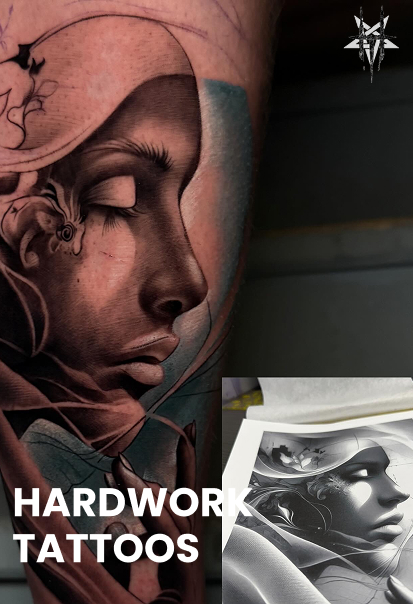
Portrait Tattoos: Best Ideas, Styles and Design Inspiration
Portrait tattoos form a category of body art that captures likeness, emotion, and identity through detailed ink work. A portrait tattoo functions as a permanent tribute to someone significant, a celebration of an icon, or a creative reinterpretation of a face that inspires the wearer. A portrait tattoo requires high precision, steady technique, and advanced shading skill since even small proportional errors can shift the likeness.
Book Your Portrait Tattoo Appointment at Hardwork Tattoos
What Is a Portrait Tattoo?
A portrait tattoo represents a face or figure with accuracy, expression, and detail. A portrait tattoo functions as a visual story that preserves people, pets, or characters with an emotional connection. A portrait tattoo artist recreates depth, contour, and personality through shading styles that include realism, fine line, color saturation, and classical illustration. Every successful portrait tattoo reflects technical mastery since human faces demand symmetrical treatment, smooth gradients, and accurate highlights.
A portrait tattoo requires a skilled artist when the goal involves lifelike detail. A specialist handles proportions, nose bridges, cheekbone structures, lighting angles, and eye reflections. A specialist maintains clarity over time by choosing contrast levels that stay visible on the skin. An experienced portrait artist studies reference images carefully and plans compositions that age well. Every step in the process enhances likeness, which supports emotional meaning for the wearer. A clear definition prepares the foundation for exploring ideas, styles, placements, and best practices.
Best Portrait Tattoo Ideas Based on Style and Theme
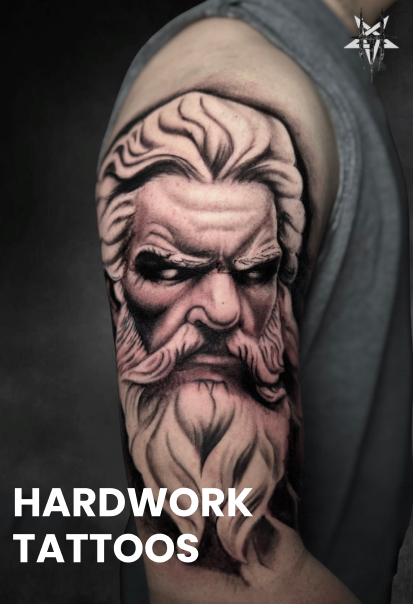
Portrait tattoo ideas cover a wide creative range that blends technical realism with expressive design concepts. A portrait tattoo design varies according to theme, color style, mood, and cultural reference. Each subcategory below expands on popular aesthetics that guide selection.
Realistic Black and Grey Portrait Tattoos
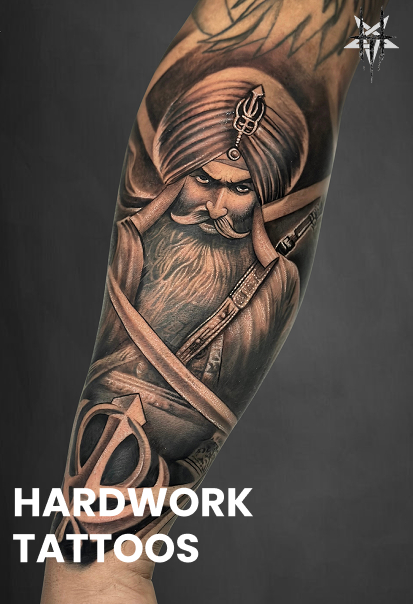
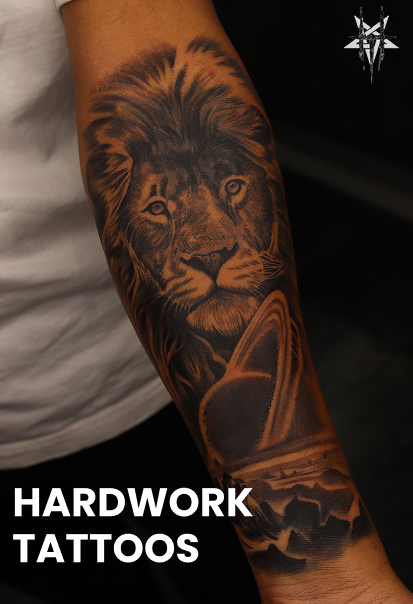
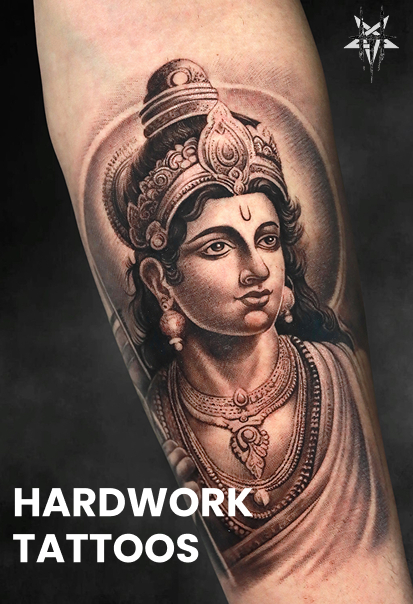
Realistic black and grey portraits emphasize depth, contrast, and sculpted features. A black and grey portrait increases longevity since muted tones age in a stable manner. A realistic monochrome portrait offers a universal style for memorial subjects, family leaders, pets, and cultural icons. An artist uses smooth gradients, subtle transitions, and soft shadows to create facial realism. A black and grey palette simplifies emotional storytelling by focusing on expression rather than color noise.
Color Portrait Tattoos
Color portrait tattoos highlight vibrancy, skin tone accuracy, and expressive energy. A color portrait tattoo works well for celebrities, pop culture icons, and animated influences. A color-based design adds emotion through warm and cool palettes that shape mood. A color portrait artist blends tones to create lifelike highlights and realistic depth. Proper hue selection supports clarity on different skin types and ensures stable fading over time. A color portrait suits wearers who prefer bold visual impact.
Minimalist and Fine Line Portraits
Minimalist portraits feature controlled linework and abstracted shapes. A fine line portrait creates likeness through delicate outlines rather than heavy shading. A minimalist portrait suits people who prefer subtle or symbolic tattoo styles. An artist builds emotion through selective detail, which makes each line carry meaning. Minimalist portraits fit small placements and low-contrast aesthetics.
Vintage and Classical Portrait Designs
Vintage portraits draw inspiration from old photographs, renaissance figures, or classical illustration styles. A vintage portrait uses sepia tones, grain textures, or stylized hatching to mimic antique imagery. Classical portraits work well for literary icons, historical figures, or ancestors with old-photo references. A vintage style enhances storytelling by merging nostalgia with visual charm.
Artistic and Abstract Portrait Tattoos
Artistic portraits reinterpret faces through modern visual styles. Abstract portraits integrate shapes, patterns, surreal elements, or experimental shading. An artistic portrait suits people who want creativity over strict realism. A tattoo in this category blends expressive brushstroke-like shading or unconventional angles to create a unique statement. An artistic portrait allows deeper interpretation without strict resemblance.
Celebrity and Pop Culture Portraits
Celebrity portraits honor actors, musicians, sports figures, or film characters. A celebrity portrait allows fans to carry symbolic inspiration permanently. A skilled artist captures iconic features while balancing stylization and accuracy. Pop culture portraits often appear as black and grey realism or vivid color realism, depending on the subject’s personality.
Memorial and Tribute Portrait Tattoos
Memorial portraits hold emotional significance since they preserve faces of loved ones. A memorial portrait often incorporates symbolic elements that include dates, flowers, halos, or meaningful objects. A skilled artist highlights warmth and softness to create a celebratory tone. A memorial portrait supports healing, remembrance, and personal storytelling.
Face Portrait Tattoo Ideas
Face portrait tattoos create high visual impact since the focus stays on expressions, proportions, and emotion. A face tattoo design captures identity in its most concentrated form. Each idea below offers a structured creative direction.
Full-Face Realism Portraits
Full-face realism portraits use complete facial detail to achieve lifelike depth. A full-face portrait works well for memorials, celebrity tributes, or personal inspirations. Full-face realism allows strong contrast and clear storytelling. A skilled artist fine-tunes every feature to preserve likeness with accuracy.
Half-Face or Split Portrait Tattoos
Half-face or split portraits introduce modern artistic appeal. A half-face portrait pairs realism with abstract elements. A split portrait merges two subjects, merges two expressions, or blends human faces with symbolic shapes. A half-face design increases visual interest while keeping emotional meaning intact.
Emotional Expression Focus
Expression-driven portraits highlight smiles, laughter lines, tears, calm eyes, or intense gazes. A portrait with emotional focus communicates mood without complex backgrounds. An expression-centered tattoo strengthens storytelling since emotion remains the central feature.
Stylized Face Portraits
Stylized portraits integrate sketch techniques, watercolor effects, geometric shapes, or illustrative outlines. A stylized portrait supports creativity while preserving recognizability. A stylized tattoo suits people who enjoy artistic movement rather than strict realism.
Combining Faces with Symbols
Symbol-enhanced portraits merge faces with roses, clocks, halos, butterflies, banners, or pets. Symbolic elements support personalization and narrative depth. A symbol combination functions as a visual metaphor representing love, time, memory, loyalty, or transformation.
Placement Ideas for Portrait Tattoos
Placement influences visibility, detail clarity, and emotional significance. A portrait tattoo requires sufficient space for proportion accuracy. Each common placement below supports different compositions.
Common Placements Overview
Placement | Benefits | Ideal Styles |
Forearm | High visibility, smooth canvas | Realism, fine line |
Upper arm | Rounded surface supports shading | Black and grey, color portraits |
Chest | Emotional placement near the heart | Memorial portraits |
Back | Large area for detailed work | Full-face realism, large compositions |
Thigh | Flexible space with privacy | Artistic or abstract portraits |
Calf | Medium area with vertical flow | Celebrity portraits, elongated faces |
How to Choose the Best Artist for Portrait Tattoos?
Choosing the right artist determines accuracy, longevity, and emotional satisfaction. A portrait artist needs advanced technical skills since faces require exact proportional alignment. A portrait tattoo specialist studies light behavior, bone structure, and texture to recreate skin, hair, and eyes with realism.
Selection Guidelines
- Review healed photos to judge long-term durability.
- Study portfolios for consistency in facial likeness.
- Evaluate shading skill, smooth gradients, and highlight control.
- Confirm experience with both color and black and grey styles.
- Prioritize artists who focus exclusively on realism or portraits.
A strong artist communicates openly about references, placement, and size. A portrait tattoo relies on clear collaboration since emotional significance increases expectations.
Tips for Getting a High-Quality Portrait Tattoo
Several best practices ensure clarity, longevity, and visual accuracy.
High-Quality Preparation Tips
- Provide high-resolution reference images for detail accuracy.
- Choose lighting styles that support contrast clarity.
- Select composition styles that enhance symmetry.
- Consider skin tone interaction with shading.
- Follow detailed aftercare to preserve fine lines.
A portrait tattoo stays crisp when the wearer moisturizes the healed piece, avoids sun exposure, and schedules touch-ups if needed. A strong preparation routine enhances final quality and ensures the tattoo ages with stability.
FAQs
How long does a portrait tattoo take?
A portrait tattoo often takes three to eight hours depending on size, detail level, shading style, and skin texture. A complex composition may require multiple sessions to maintain quality and reduce skin trauma.
Do portrait tattoos fade faster?
A portrait tattoo fades based on ink quality, sun exposure, skin type, and aftercare habits. A black and grey portrait maintains longevity due to stable pigment behavior, while color portraits require additional UV protection.
How much do portrait tattoos cost on average?
A portrait tattoo ranges widely from moderate pricing to premium pricing due to artist reputation, studio location, and time requirement. A realistic portrait from a specialist often costs more since precision demands expertise.
Are color or black and grey portraits better?
Color portraits add vibrancy and emotional tone, while black and grey portraits offer timeless clarity and stable aging. A final choice depends on subject personality, placement, and personal preference.