Book Your Color Tattoo Appointment at Hardwork Tattoos
What Are Color Tattoos?
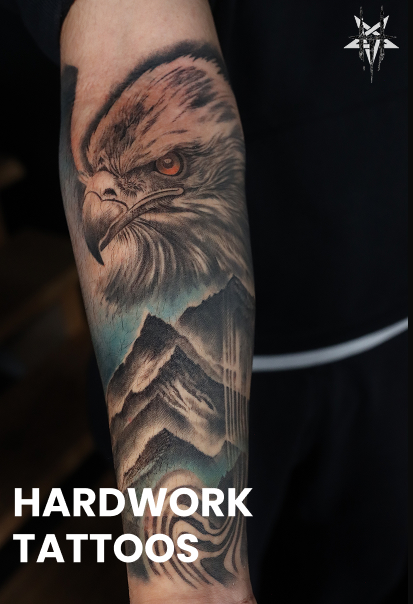
Color tattoos add pigment to the skin through a spectrum of hues that create visual impact beyond black and grey ink. The idea introduces vibrancy, dimension, saturation, and artistic depth. Color pigments expand tattoo possibilities because they allow designs to display mood, temperature, contrast, and realism. A clear difference emerges when comparing color work with black and grey work because black ink relies on shade and value while color ink relies on hue and saturation. Color designs grow richer when an artist layers pigments to build gradients because each layer deepens tone and strengthens contrast.
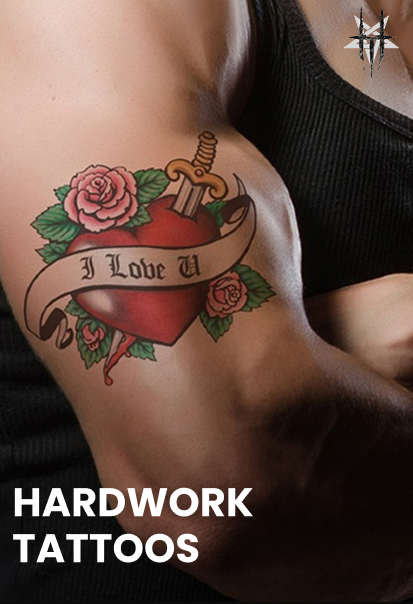
People choose colorful tattoos for expressive reasons because pigments communicate personality. A floral piece gains emotional warmth through soft pink petals. A fantasy landscape gains dreamlike intensity through blues, greens, and purples. A comic scene gains boldness through saturated borders and bright fills.
Colorful tattoos attract attention because vivid hues stand out in photos, social media visuals, and daily movement. Popularity rises globally because modern machines improve pigment delivery and modern inks provide stronger longevity. Trend cycles encourage watercolor techniques, anime styles, cute character aesthetics, and full spectrum palettes. A growing number of clients request pastel tones, bold primaries, highly saturated neons, and mixed media effects, which strengthens demand for colored ink work worldwide.

Are Color Tattoos a Good Choice?
Color tattoos provide strong artistic advantages while creating practical considerations that influence decisions.
Pros
Color tattoos create visual impact because saturated pigments catch the eye instantly. Artists develop expressive scenes through blended hues that mimic paintings. Realistic pieces appear more accurate when color defines shadow, light direction, temperature, and texture. A design gains clarity when color separates foreground from background.
- Enhance realism
- Elevate personality
- Intensify expression
- Strengthen composition
- Increase recognisability
Cons
Color tattoos fade faster compared to black ink because light pigments break down under environmental exposure. Touch ups occur more frequently because pastel tones weaken earlier than darker tones. Not all pigments behave the same across skin tones because melanin influences visibility. Layered color work takes longer because saturation requires multiple passes.
- Require maintenance
- Limit pigment range for certain undertones
- Extend sessions
- Reduce longevity in friction zones
A balanced evaluation emerges through understanding pros and cons because each factor influences long term appearance.
How Long Do Color Tattoos Last?
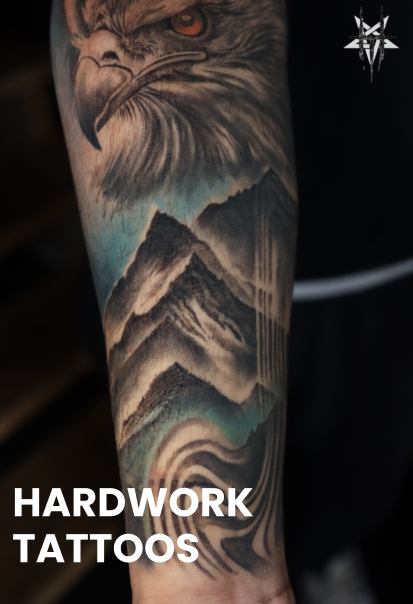
Color tattoo longevity depends on pigment selection, placement, lifestyle, and aftercare. The fading process follows predictable patterns because each color degrades at its own pace.
Colors That Fade Fastest
Pastels fade quickly because light pigments contain smaller particles that break down under UV exposure. Red pigments fade unevenly because certain compounds react strongly to sunlight. Yellow pigments fade rapidly because light values struggle against natural skin tone. White pigments fade early because subtle highlights lose visibility when skin tone reasserts dominance.
Colors That Last Longer
Black remains the most stable pigment because carbon particles resist breakdown. Dark blue retains vibrancy because cobalt structures maintain depth. Deep green survives longer because heavy molecules settle firmly. Burgundy shades endure because strong saturation hides minor fading.
How Lifestyle Influences Longevity?
Sunlight disrupts pigment bonds because UV rays accelerate molecular decay. Friction weakens color strength because repeated rubbing lifts pigment layers. Water exposure softens healing skin because long baths slow pigment settling. Improper healing breaks pigment evenly because disrupted scabs open the surface prematurely. Longevity improves when artists build strong saturation because dense color layers resist environmental stress.
Best Color Tattoo Ideas and Design Inspiration
Color tattoos open wide creative space because each style activates a different emotional response.
Bright and Vibrant Color Tattoos
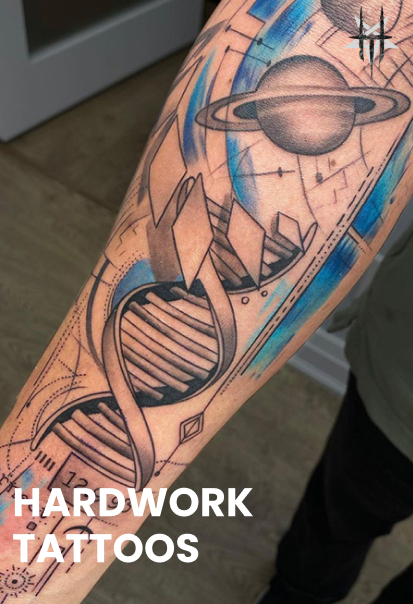
Bright tattoos rely on saturated pigments that introduce energy and movement. Neon styles intensify glow through high contrast outlines and bold fills. Watercolor pieces create dynamic fluidity because blended tones move across the skin with minimal edges. Comic styles recreate pop art aesthetics because thick borders and strong color blocks provide graphic clarity.
Bright Tattoo Ideas
- Create galaxy skies
- Build neon dragons
- Paint tropical birds
- Form rainbow butterflies
- Shape fire elements
- Develop lightning effects
Vibrant tattoos appeal to clients who enjoy bold artistic presence.
Cute and Aesthetic Color Tattoos
Cute tattoos embrace gentle palettes. Pastel tones soften edges and give designs a dreamy feel. Small icons provide minimalistic charm because tiny shapes carry emotional clarity. Watercolor animals add tenderness because soft gradients evoke innocence.
Cute Tattoo Ideas
- Draw pastel clouds
- Form tiny hearts
- Shape mini animal figures
- Create soft floral sprigs
- Design sweet food icons
- Paint small character motifs
Cute tattoos suit audiences that prefer subtle, warm, and uplifting visuals.
Popular Designs Across Major Styles
Traditional tattoos rely on bold outlines with dependable primary colors. Realism tattoos rely on layered blending that copies photographic quality. Watercolor styles depend on brushlike gradients. Neo traditional art mixes classic outlines with modern shading.
Common Motifs for Color Work
- Flowers
- Animals
- Anime characters
- Mandalas
- Landscapes
- Abstract swirls
These motifs thrive in color because pigment variety enhances depth and storytelling.
Full Color Sleeves and Large Pieces
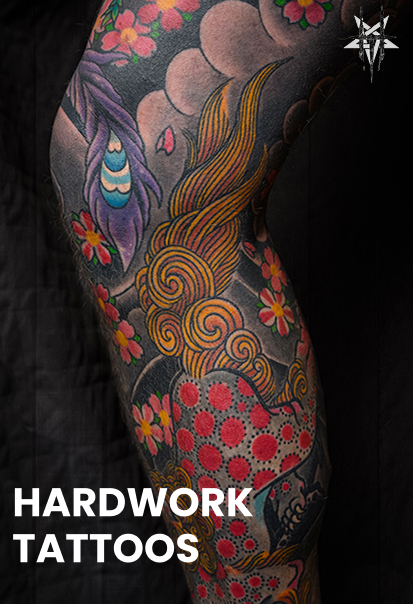
Full color sleeves create immersive displays. Artists plan themes across upper arm, lower arm, and wrist areas to maintain coherence. Transitions rely on fading backgrounds, smoke textures, floral bridges, or sky gradients. Large pieces benefit from strong anchors because central figures maintain focus while supporting elements provide flow. Full sleeves attract clients who want statement art that evolves through multiple sessions. Large compositions remain impactful when contrast, saturation, and narrative remain consistent.
Color Tattoos by Skin Tone
Color tattoos interact with each skin tone uniquely because melanin determines visibility, contrast, and pigment clarity.
Best Colors for Light, Medium, and Dark Skin
Light skin accommodates wide palettes because low melanin levels allow pigments to appear clearly. Saturated tones maintain strength across large areas. Pastels remain visible when paired with structured outlines.
Medium skin supports rich jewel tones because strong pigments rise above midlevel melanin. Emerald green, ruby red, royal blue, and amber gold remain powerful choices.
Dark skin displays bold colors effectively because high contrast shades stand strong. Deep red, electric blue, burnt orange, and vibrant purple carry high visibility when designs maintain clear outlines and dense saturation.
How Undertones Influence Visibility?
Undertones influence clarity because ink interacts with natural warmth or coolness in the skin. Cool undertones respond well to blues, greens, and violets. Warm undertones respond well to reds, oranges, and golds. Neutral undertones balance multiple pigment families.
Why Saturation and Contrast Matter?
Saturation defines strength because denser color layers withstand environmental impact. Contrast defines structure because dark outlines support bright interiors. Placement defines clarity because high-friction zones disturb pigment more quickly. Artists choose color combinations after evaluating tone, undertone, and long-term visibility.
Tattoo Color Inks: Key Facts
Tattoo inks hold pigments suspended in carriers that transport color into the skin. Pigments vary across synthetic, mineral, and organic sources. Each category behaves differently because particle size influences longevity, clarity, and settling depth.
Vegan inks avoid animal derived products and rely on plant based or synthetic alternatives. These inks grow popular because many studios adopt ethical or hypoallergenic preferences.
Pigments age in distinct ways. Heavy pigments sink deeply and fade gradually. Light pigments rest closer to the surface and fade quickly. Manufacturers refine formulas to improve durability and safety.
Reactions occur more often with red pigments because certain compounds irritate sensitive skin. Yellow and orange pigments may create mild reactions because some individuals experience heightened sensitivity. Patch tests support safer outcomes because early detection prevents complications.
Artists select inks after evaluating design style, skin tone, longevity targets, and safety requirements.
Color Tattoo Pain Level
Color tattoo pain level varies based on technique, placement, and duration. Pain intensifies when an artist repeats passes over the same area because saturation requires layering. Each pass stimulates nerve endings and increases sensitivity.
Placement shapes sensation because skin thickness differs across the body. Areas with thin skin feel sharper sensations. Areas with dense muscle feel softer sensations. High movement zones amplify sensitivity because stretching increases nerve stimulation.
Color work gains a reputation for higher pain because layering often extends session duration. The pigment itself does not cause heightened sensation because physical repetition drives discomfort.
Artists reduce pain by adjusting needle speed, machine tension, and hand pressure. Clients often experience manageable sensations when sessions include breaks, hydration, and steady breathing.
Color Tattoo Aftercare
Aftercare determines the vibrancy, clarity, and longevity of colored ink.
Healing Routine from Day One to Day Fourteen
Fresh tattoos require gentle cleansing with mild soap and clean water. Excess moisture weakens healing because soft scabs lift pigment prematurely. Balanced moisturisation aids recovery because dry skin cracks easily. Touching, rubbing, or scratching disrupts settling pigment and increases patchiness.
Healing progresses through peeling, flaking, and gradual smoothing. Clean clothing supports protection because friction irritates the vulnerable surface. Calm environments reduce risk because sweat and bacteria slow the healing process.
Sun Protection Requirements
Sunscreen preserves brightness because UV rays weaken pigment structures. Clothing shields large areas because fabric blocks light exposure. Avoidance of direct sunlight supports long term vibrancy because shaded environments reduce pigment breakdown.
Steps That Prevent Premature Fading
- Apply sunscreen
- Maintain hydration
- Reduce water exposure
- Limit friction
- Moisturise consistently
- Schedule touch ups
When to Get Touch Ups?
Touch ups restore color strength. Artists recommend maintenance when pigments lose contrast or highlight edges blur. Pastels regain life when reinforced. Dark outlines regain shape when refreshed. Timing varies across lifestyle, placement, and pigment type.
Should Someone Choose a Color Tattoo?
Color tattoos suit individuals who value expression, brightness, emotion, and artistic presence. People who prefer subtle shading lean toward black and grey styles. Color work requires investment because fading patterns demand occasional maintenance.
Color may not suit certain individuals because allergies, workplace restrictions, or frequent sun exposure shape decisions. Sun heavy lifestyles reduce longevity because UV rays degrade pigments rapidly.
Color tattoos become ideal for floral pieces, animals, anime characters, landscapes, and fantasy scenes because those styles rely on emotional depth. Black and grey designs perform better for structural detail, shading hierarchy, or portrait realism that prioritises value rather than hue.
Decision making depends on skin tone, undertone, placement, style, budget, pain tolerance, and long term maintenance goals.