
Best Tattoo Aftercare:
Step-by-Step Instructions
for Perfect Tattoo Healing
2–4 Weeks Routine
Infection Prevention
Ink Retention
A tattoo heals well or fails permanently based on what you do in the first few weeks. This is not just about comfort. It directly affects how sharp, vibrant, and long-lasting your tattoo will look over time. You made a permanent investment in your body. The ink sits beneath your skin for life, but the way it heals depends entirely on how you treat it now. Poor care leads to fading, patchiness, or even infection, while proper care protects the result you paid for.
Tattoo aftercare is the structured routine of cleaning, protecting, and moisturising a fresh tattoo while the skin repairs itself over the first 2 to 4 weeks. This process controls healing, prevents damage, and allows the ink to settle correctly. This tattoo aftercare guide explains exactly what to do after getting a tattoo. It covers the healing timeline, daily care steps, washing and moisturising routines, product choices, and mistakes to avoid.
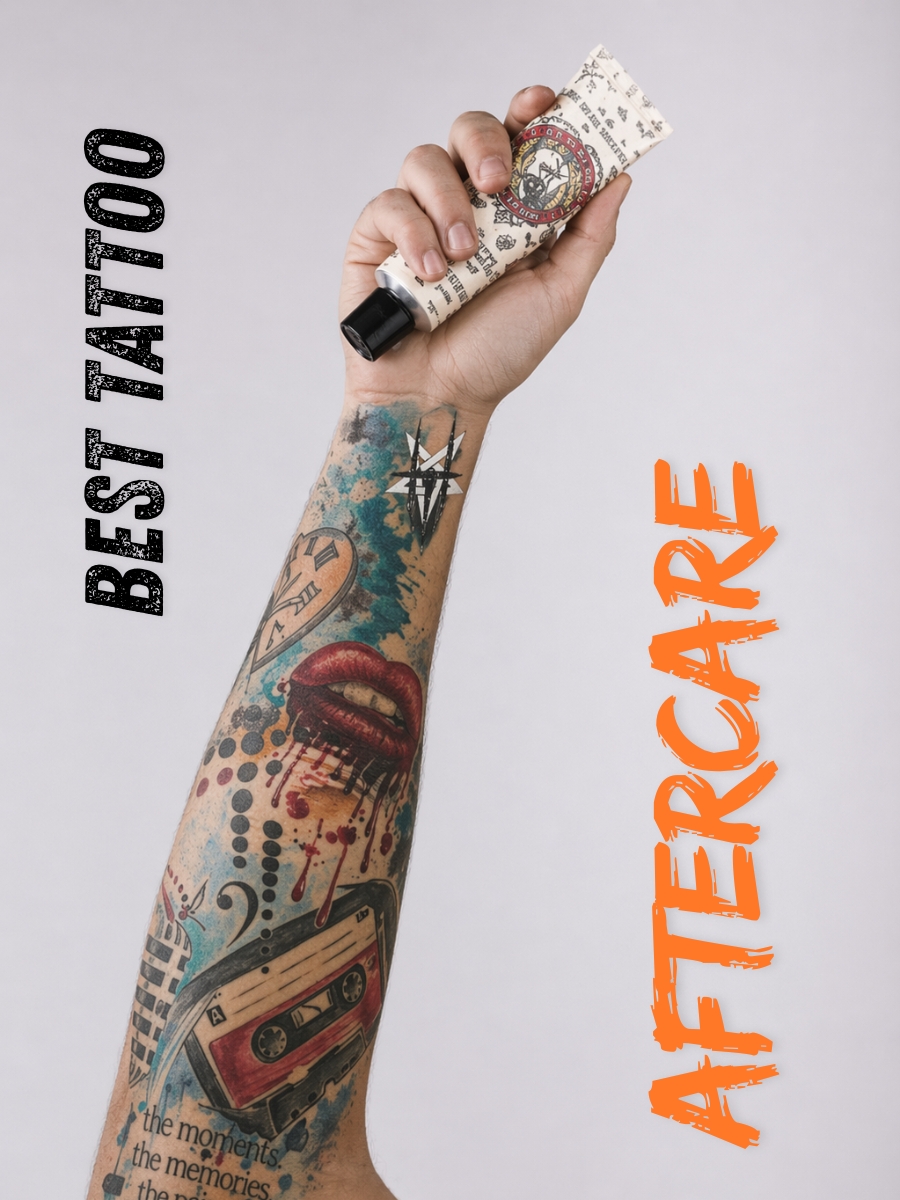
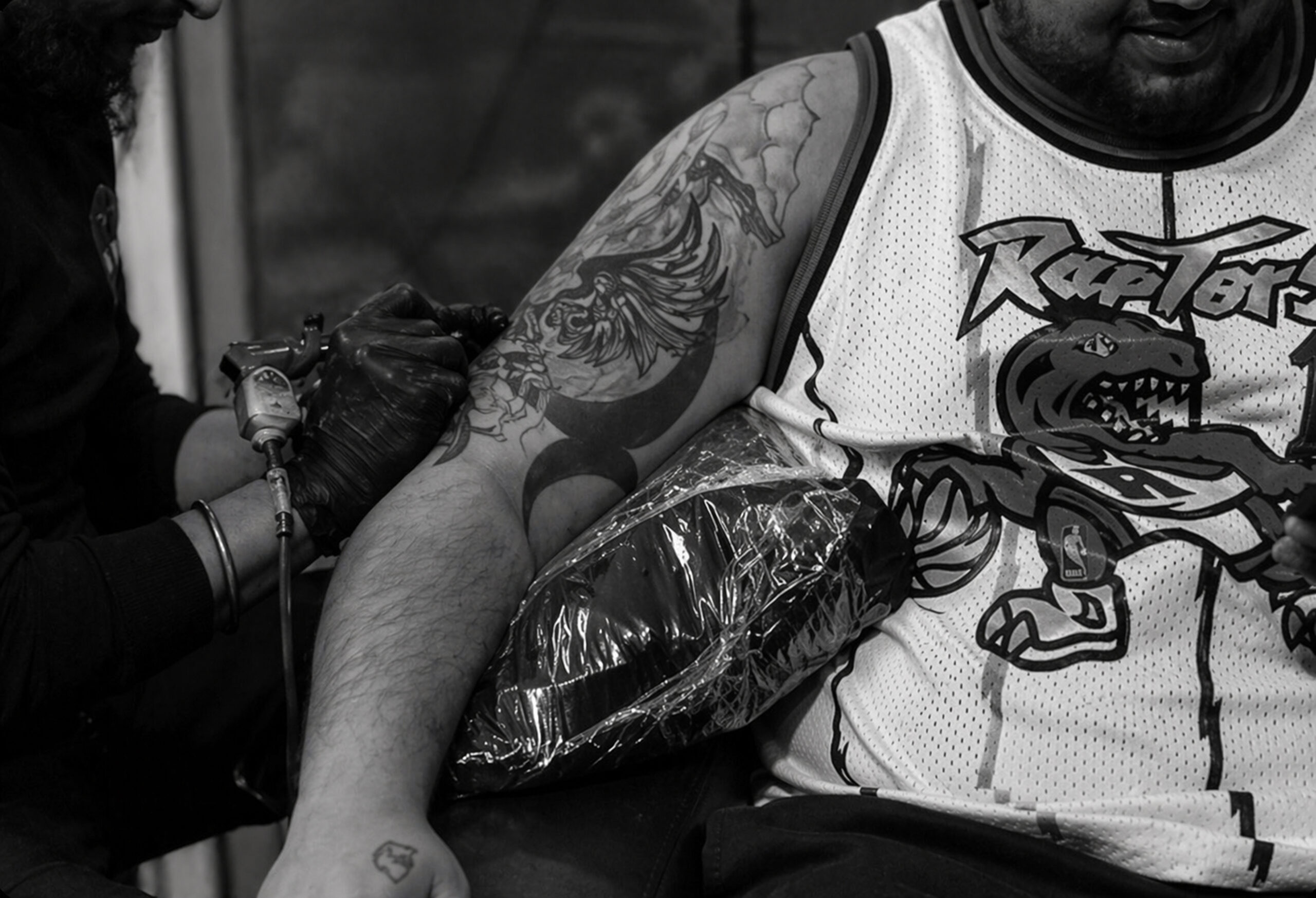
Hardwork Tattoos — aftercare guide included with every session
2–3
Weeks surface healing
Outer skin closes in 2–3 weeks while deeper layers continue repairing for months.
3–6
Months dermal healing
Ink settles and colour sharpens as the dermis fully recovers over 3 to 6 months.
4
Core outcomes protected
Infection prevention, ink retention, colour vibrancy, and reduced scarring.
What Is Tattoo Aftercare?
Tattoo aftercare is the structured 2 to 4 week routine that cleans, protects, and moisturises a new tattoo while the skin heals. It includes gentle washing, careful drying, light moisturising, and protecting the area from bacteria, friction, and sun exposure. This phase is the foundation of proper tattoo recovery and determines how well the ink settles into the skin.
A fresh tattoo is technically an open wound. The needle repeatedly punctures the dermis to deposit pigment, leaving the skin vulnerable to bacteria, irritation, and moisture imbalance. Without controlled care, the healing process slows, and the risk of complications increases.
Proper aftercare protects four core outcomes. It prevents infection by keeping the area clean. It supports ink retention by allowing pigment to settle evenly. It preserves colour vibrancy by avoiding premature fading. It reduces scarring by minimising trauma during healing. This process is not optional. It is the difference between a clean, sharp tattoo and one that heals unevenly.
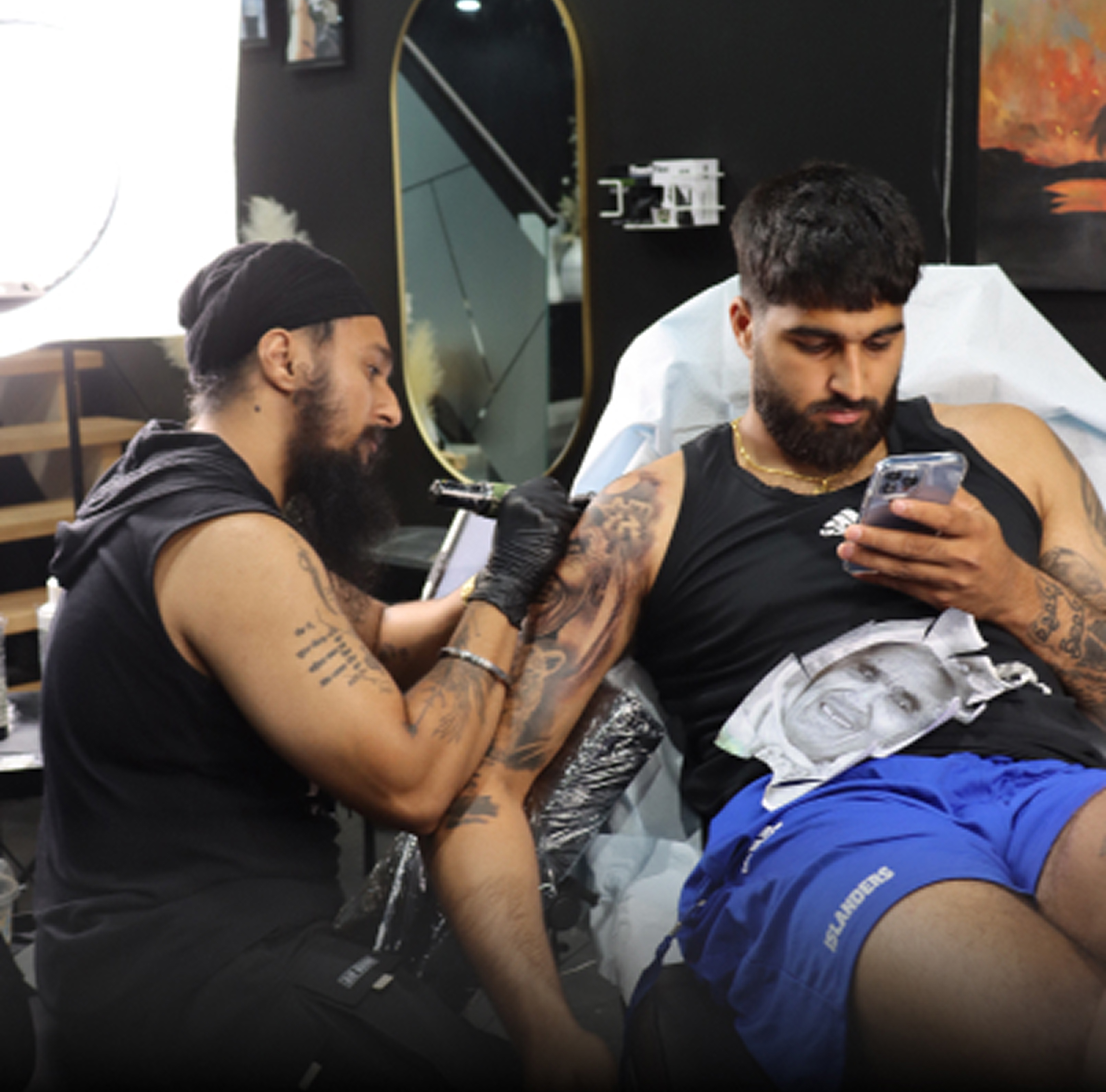
How Long Does a Tattoo Take to Heal?
Tattoo healing takes 2 to 3 weeks on the surface and 3 to 6 months at the dermal level. The outer skin closes first, while deeper layers continue repairing long after the tattoo looks healed.
Stage 01
Days 0 to 3
Protection Phase
Tattoo stays covered with a second skin or wrap. Plasma leakage and ink pooling are normal. Skin remains sensitive and exposed.
Stage 02
Days 4 to 14
Active Healing Phase
Peeling, itching, and light scabbing begin. Skin sheds excess ink and repairs the barrier.
Stage 03
Weeks 2 to 4
Surface Healing Phase
Skin appears closed. Tattoo may look dull or milky as a thin healing layer forms over it.
Stage 04
Months 1 to 6
Dermal Healing Phase
Ink settles deeper into the skin. Colour sharpens, and clarity improves as healing completes internally.
Healing speed varies based on tattoo size, placement, and individual skin type. Areas with more movement or friction tend to heal more slowly, while smaller tattoos often recover faster. You can stop the full aftercare routine after 4 weeks in most cases. Light moisturising and sun protection should continue beyond that point to support long-term ink quality.
What Are the Step-by-Step Tattoo Aftercare Instructions for Each Healing Phase?
Tattoo aftercare follows a phase-based routine where each stage requires a different level of cleaning, protection, and moisturising. This structured approach supports faster tattoo recovery, reduces complications, and protects long-term ink quality.
1
Days 0 to 3 · Second Skin Phase
First 24 to 48 Hours After Getting a Tattoo
The first 48 hours focus on protecting the tattoo under a medical adhesive film while the skin stabilises. Most artists apply a "second skin" such as Saniderm or Tegaderm before leaving the studio, creating a sealed healing environment. Leave this film on for 3 to 5 days, or exactly as your artist advised. Fluid build-up under the film is normal. You may see plasma, excess ink, and mild redness. This is part of early healing, not a problem. Remove the film early only when it lifts at the edges, starts leaking, or causes irritation or rash. Exposure at that point increases contamination risk. Avoid activities that stress the tattoo. Skip heavy workouts, steam rooms, swimming, and direct shower pressure on the area. Keep the tattoo clean, dry, and protected during this phase.
2
Second Skin Removal
How Do You Remove Second Skin Properly, and What Do You Do Afterwards?
Second skin removal requires a slow, controlled process to avoid damaging the healing skin. The safest method is to remove it in a warm shower, where heat softens the adhesive. Peel gently from one corner, pulling it back over itself. Never rip it off dry, as this can pull healing skin and affect ink retention. Wash the tattoo immediately after removal using lukewarm water and a fragrance-free antibacterial soap. Use clean fingertips only. This step removes trapped plasma, bacteria, and excess ink. Pat the area dry with a clean paper towel. Avoid rubbing, as friction irritates the skin. Apply a very thin layer of unscented moisturiser or tattoo aftercare ointment. Keep the layer light to prevent clogging pores. Do not re-wrap the tattoo unless your artist gave clear instructions to do so.
3
Days 4 to 14 · Peeling and Itching Phase
Active Healing Phase
The active healing phase focuses on controlled cleaning and consistent moisturising while the skin repairs itself. This is the most sensitive stage of the tattoo healing process. Wash the tattoo 2 to 3 times daily using mild, fragrance-free soap and lukewarm water. Follow each wash with a thin layer of moisturiser to maintain hydration. Expect visible peeling, flaking, and itching. These are normal signs of healing as the skin sheds damaged layers. The tattoo may appear uneven during this stage. Do not pick, peel, or scratch the tattoo. Removing scabs prematurely pulls ink from the skin and creates patchy healing. Wear loose, breathable clothing to reduce friction. Tight fabrics can irritate the tattoo and delay healing. Sleep on clean sheets. Place a clean paper towel under the tattoo if needed to prevent sticking and reduce contamination.
4
Weeks 2 to 4 · Surface Healing Phase
Aftercare Is Needed in Weeks 2 to 4 Once the Surface Has Healed
After two weeks, the tattoo surface appears healed, but internal recovery continues. This stage requires reduced but consistent aftercare. Wash the tattoo once daily to maintain hygiene without over-drying the skin. Continue moisturising twice daily to support barrier repair. Introduce sun protection once the skin is no longer broken. Use SPF to prevent fading and protect colour vibrancy. Expect a dull or cloudy appearance. This temporary phase, often called "onion skin," occurs as a thin layer forms over the tattoo. The colour sharpens as healing progresses. Do not stop aftercare too early. Continue the full routine for at least 4 weeks before scaling back.
What Is the Difference Between Second Skin Aftercare and Traditional Tattoo Wrapping?
Second skin and traditional wrapping follow different healing approaches in the first few days, but both transition into the same core aftercare routine once removed.
Second SkinSaniderm / Tegaderm
- ApplicationMedical-grade adhesive film applied at the studio
- Wear TimeStays on for 3 to 5 days continuously
- Healing StyleSealed, moist healing environment
- MaintenanceMinimal handling during wear time
- Fluid Build-UpPlasma and ink collect under the film
- Infection RiskLower during the sealed phase if intact
- Best ForLow-friction, low-movement areas
VS
Traditional WrapCling Film / Bandage
- ApplicationPlastic wrap or bandage applied post-session
- Wear TimeRemoved within a few hours to 24 hours
- Healing StyleOpen-air healing after initial removal
- MaintenanceRequires early washing and routine care
- Fluid Build-UpFluids are cleaned during regular washing
- Infection RiskControlled through consistent cleaning
- Best ForHigh-friction zones like hands and fingers
Second skin simplifies early tattoo aftercare by reducing exposure and handling. Traditional wrapping requires more active care from Day 1 but works better in areas where adhesive films struggle to stay in place, such as hands, fingers, and feet. Some placements still rely on traditional wrap, even in modern studios. High movement, sweat, and friction can cause second skin to lift prematurely in these areas. Whether you use second skin or a traditional wrap, the routine aligns after removal. Clean the tattoo gently, keep it moisturised, and protect it from irritation.
Can You Shower with Second Skin?
Yes, you can shower with second skin because it is waterproof and protects the tattoo during short exposure to water. Adhesive films like Saniderm or Tegaderm create a sealed barrier that keeps bacteria out while allowing normal hygiene.
Keep showers short and avoid excessive heat or steam. High temperatures can weaken the adhesive and cause the edges to lift. Let water run gently over the area instead of directing strong shower pressure onto the bandage.
Do not soak the tattoo at any point. Baths, swimming pools, and hot tubs break the seal and allow contaminated water to enter, which increases infection risk.
Check that the edges remain fully sealed before and after showering. Remove the film early when it starts peeling or leaking, then switch to standard cleaning and moisturising.
Fluid build-up under the film is normal. Plasma and ink may collect during the first few days and do not require action unless the seal breaks.
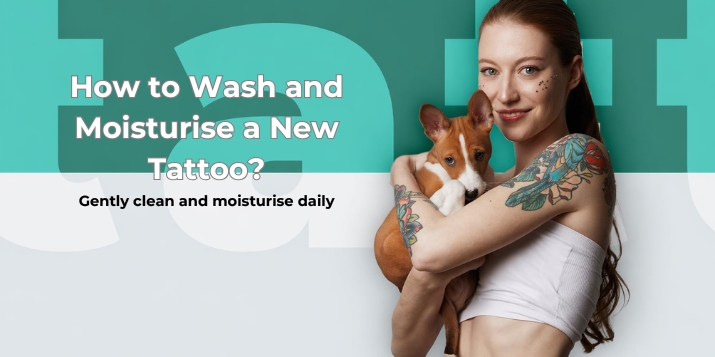 Daily routine
How Should You Wash and Moisturise Your New Tattoo?
A proper tattoo aftercare routine depends on gentle washing and controlled moisturising at the right frequency. These two steps maintain skin hygiene, support healing, and protect ink quality during the most sensitive stages.
🧼
Step 01
Washing Routine
Washing removes plasma, excess ink, and bacteria while keeping the tattoo clean without disrupting healing. Use lukewarm water only, as hot water can irritate the skin and increase sensitivity.
Choose a fragrance-free, dye-free, antibacterial soap to avoid irritation. Clean the tattoo using only your fingertips. Avoid cloths, loofahs, or sponges, as they create friction and can damage healing skin.
Rinse thoroughly to ensure no soap residue remains. Leftover product can clog pores and trigger irritation. Pat the tattoo dry using a clean paper towel. Rubbing the area can disturb scabs and affect ink retention.
Wash the tattoo 2 to 3 times per day during Days 4 to 14. Reduce to once daily during Weeks 2 to 4 as the skin stabilises.
🧴
Step 02
Moisturising Routine
Moisturising maintains hydration and prevents excessive dryness, which can slow tattoo recovery. Start moisturising from Day 1 after removing second skin, or from Day 2 if a traditional wrap was used.
Apply a thin, pea-sized layer. The skin needs to breathe, and heavy application can trap bacteria and delay healing. Use a fragrance-free, alcohol-free lotion or an unscented aftercare ointment. These minimise irritation and support barrier repair.
Moisturise 2 to 3 times daily, always after washing. This keeps the skin balanced and reduces itching during the peeling phase. Stop frequent moisturising once peeling ends, and the skin feels normal, usually by Week 3 to 4. Light hydration can continue as needed.
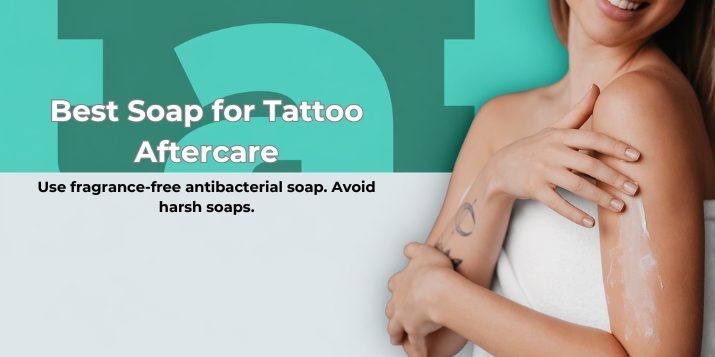 Product guide
What Soap Should You Use for Tattoo Aftercare?
Use a fragrance-free, dye-free antibacterial soap that cleans gently without stripping the skin barrier. Mild formulations reduce irritation and support stable healing during the early tattoo recovery phase. Choose gentle foaming cleansers or unscented baby washes to remove residue effectively while maintaining moisture balance. Avoid scented soaps, exfoliating washes, and heavily dyed antibacterial formulas. These increase irritation and can disrupt the healing tattoo surface.
 Natural alternatives
Do Natural and Alternative Products Work for Tattoo Aftercare?
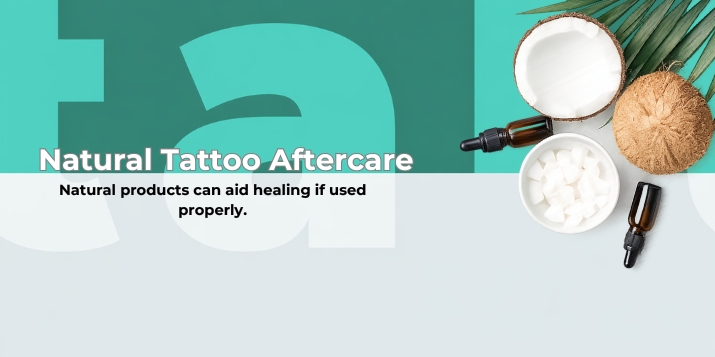
Natural products support healing when used correctly and in moderation. Their effectiveness depends on texture, purity, and timing within the healing stages. Below is a list of natural products that support your tattoo healing.
🥥
Natural Option 01
Coconut Oil & Aloe Vera
Use coconut oil sparingly, as it offers light antimicrobial benefits but can clog pores if overused. Apply pure aloe vera gel during the itching phase to soothe inflammation and reduce discomfort.
🌿
Natural Option 02
Jojoba Oil & Shea Butter
Choose jojoba oil for long-term hydration, as it closely mimics the skin's natural oils. Use shea butter in Weeks 2 to 4 when the skin is more stable and requires deeper moisture.
Avoid olive oil and cocoa butter during early healing, as they are too heavy for broken skin. Select vegan or organic tattoo aftercare products when ingredient control is a priority.
What Are the Essential Do's and Don'ts of Tattoo Aftercare?
Tattoo aftercare works best when you follow a few consistent rules that protect healing and prevent damage. These do's and don'ts define what supports recovery and what disrupts it.
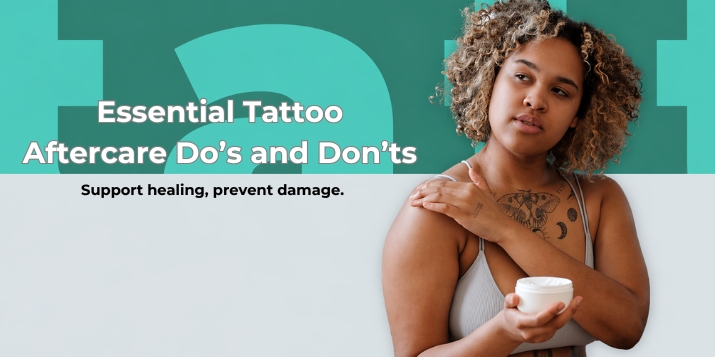
Do's: Actions That Support Healing
- Clean gently using lukewarm water and fragrance-free soap
- Dry carefully by patting with a clean paper towel
- Moisturise lightly using a thin layer of unscented lotion
- Wash regularly 2 to 3 times daily during active healing
- Wear loose clothing to reduce friction on the tattoo
- Sleep on clean bedding to minimise contamination risk
- Protect from the sun once the skin surface has healed
These habits maintain hygiene, support skin repair, and preserve ink clarity throughout the tattoo recovery process.
Don'ts: Actions That Disrupt Healing
- Avoid picking or scratching, as it pulls ink and causes scarring
- Avoid over-moisturising as it clogs pores and traps bacteria
- Avoid direct sun exposure during the early healing stages
- Avoid swimming or soaking in pools, baths, or hot tubs
- Avoid tight clothing that rubs or irritates the tattoo
- Avoid heavy sweating in the first 1 to 2 weeks
- Avoid harsh products, including scented soaps or alcohol-based lotions
These mistakes slow healing, increase infection risk, and reduce colour vibrancy.
What Lifestyle Activities Should You Avoid During Tattoo Healing?
Certain lifestyle activities slow tattoo healing by increasing moisture, friction, or contamination during recovery. Avoiding these risks protects the skin barrier and preserves ink quality.
Avoid Swimming and Water Submersion
Stay out of pools, beaches, hot tubs, and baths for at least 2 to 3 weeks. Submerging a fresh tattoo exposes it to bacteria, chlorine, and salt, which can cause infection and fade ink prematurely. Showers are safe when kept brief and gentle.
2–3 weeks minimum
Avoid Heavy Exercise and Sweating
Delay intense workouts for 10 to 14 days, especially when the tattoo sits in a high-friction or high-movement area. Sweat introduces bacteria and softens scabs, while stretching the skin can disrupt healing. Light activity becomes safer after Day 3 to 5 when irritation is minimal.
10–14 days delay
Avoid Direct Sun Exposure
Keep the tattoo out of direct sunlight until the skin fully closes, usually around 2 to 3 weeks. UV exposure damages healing skin and breaks down pigment. Start using SPF only after the surface has healed to protect long-term colour vibrancy.
2–3 weeks, then SPF
Avoid Alcohol in the Early Phase
Avoid alcohol for at least 48 hours after getting a tattoo. Alcohol thins the blood and dehydrates the body, both of which slow healing. Light drinking becomes less risky after this window, while heavy intake during the first week can delay recovery.
48 hours minimum
How Do You Know If Your Tattoo Is Healing Properly or If Something Is Wrong?
A healing tattoo shows predictable, mild symptoms that improve daily, while warning signs intensify or spread. Recognising the difference helps you act early and avoid complications.
Normal Healing Signs
Normal tattoo healing includes mild redness, slight swelling, and sensitivity during the first 48 hours. The skin may feel warm and look slightly inflamed, especially on Day 1 or Day 2. Peeling, flaking, and itching appear during Days 4 to 14 as the skin renews itself. A dull or "milky" layer can form over the tattoo in Weeks 2 to 3. This temporary stage fades as the ink settles and clarity returns. Light stinging after washing or moisturising can occur when the skin is dry or sensitive. These reactions should reduce steadily as healing progresses.
Warning Signs of Infection or Reaction
Concerning symptoms include spreading redness, increasing pain, and persistent heat beyond the first few days. Pus, unusual discharge, or a strong odour indicate possible infection. Severe itching, raised rashes, or prolonged swelling suggest irritation or an allergic reaction. Some pigment allergies, especially to red or yellow ink, can appear weeks after the tattoo seems healed. Do not attempt home treatment when these symptoms appear. Consult a doctor or dermatologist immediately to prevent worsening.
How Should You Care For Tattoos On Sensitive Body Areas?
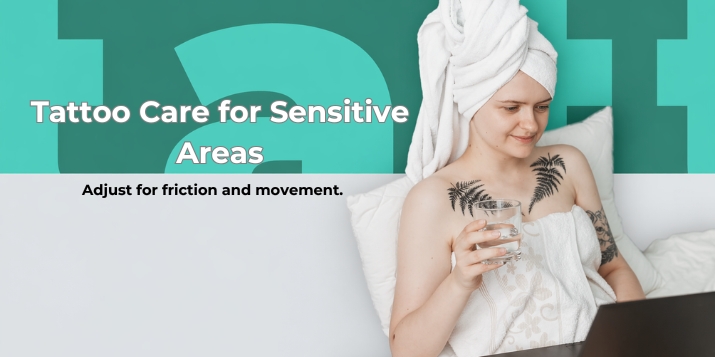
Tattoo aftercare changes significantly based on placement, as friction, movement, and exposure levels vary across the body. Each area presents a unique healing challenge that requires small but important adjustments.
Hand & Finger Tattoos
Hand and finger tattoos face constant friction, washing, and contact, which makes healing more difficult and ink retention less stable. Second skin often fails to adhere here, so artists may prefer a traditional wrap.
Wash gently and avoid harsh soaps or excessive hand-washing. Keep moisturising light but consistent. Fading occurs faster in this area, so touch-ups are common. Surface healing takes around 3 to 4 weeks, while full ink settling can extend beyond 3 months.
Foot & Ankle Tattoos
Foot and ankle tattoos swell more due to gravity and reduced circulation, which slows healing. Elevate the foot during the first 24 to 48 hours to control swelling.
Avoid tight socks, shoes, or anything that compresses the area. Second skin can work, but movement may cause shifting. Healing progresses more slowly than average, with surface recovery taking 3 to 5 weeks, depending on activity level.
Back & Shoulder Tattoos
Back and shoulder tattoos heal more easily due to lower friction, but access becomes the main challenge. Use a mirror, partner, or long-handled applicator for cleaning and moisturising.
Second skin works well in this area as it stays in place longer. Wear loose clothing to prevent rubbing. Surface healing follows the standard 2 to 3 week timeline, making this one of the more forgiving placements.
Ribs & Sternum Tattoos
Rib and sternum tattoos move constantly with breathing, which causes the second skin to lift and may require multiple changes. The area remains tender longer due to its proximity to the bone.
Apply moisturiser consistently to reduce tightness and irritation. Expect slightly slower healing than average, with surface recovery taking 3 to 4 weeks due to continuous skin flexion.
Elbow Crease & Inner Arm
Elbow crease and inner arm tattoos stretch and fold with every movement, increasing the risk of scab cracking. Moisturise more frequently to keep the skin flexible and reduce tension.
Limit excessive bending in the first week, where possible. Healing takes around 3 to 4 weeks on the surface, though minor ink loss can occur if scabs break prematurely.
Face, Neck & Scalp Tattoos
Face, neck, and scalp tattoos face a higher contamination risk from hair, sweat, and skincare products. Keep hair away from the tattoo and avoid styling products for at least 2 weeks.
Clean carefully and keep the area lightly moisturised. Once healed, SPF becomes essential due to constant exposure. Facial skin heals faster than most areas, with surface recovery typically within 10 to 14 days.
Lip & Inner Lip Tattoos
Lip and inner lip tattoos require a different aftercare method due to constant moisture and oral bacteria. Avoid standard washing. Rinse with a diluted saline solution or alcohol-free mouthwash instead.
Avoid spicy, acidic, or salty foods during the first week to prevent irritation. These tattoos fade quickly, often within 1 to 3 years, and require periodic touch-ups.
Eyebrow & Cosmetic Tattoos (PMU)
Eyebrow and cosmetic tattoos follow a dry healing protocol to protect pigment placement. Avoid water, sweat, and steam on the area for 7 to 10 days. Use only the ointment provided by your artist. Do not wash the area unless instructed.
Healing takes 4 to 6 weeks, and the colour appears darker initially before softening by 40 to 60 per cent.
What Is the Aftercare Routine After Laser Tattoo Removal?
Laser tattoo removal aftercare treats the skin as a controlled wound to prevent complications and support safe healing. Each session creates micro-trauma that requires careful, short-term management.
01First 24 Hours — Cool & Cover
Cool the area using a clean ice pack wrapped in a cloth to reduce swelling. Do not place ice directly on the skin. Keep the treated area covered with a sterile bandage during this period to protect against contamination.
02Days 1 to 3 — Expect Blistering
Blistering, redness, and swelling are normal responses. Do not pop blisters, as this increases infection risk and can lead to scarring.
03Clean Gently
Clean the area gently using lukewarm water and a fragrance-free soap, following the same washing principles as standard tattoo aftercare. Pat dry with a clean towel.
04Apply Healing Cream
Apply petroleum jelly or a prescribed healing cream as directed by your laser technician. This keeps the area protected and supports skin repair.
05Avoid Sun for 4 Weeks
Avoid sun exposure for at least 4 weeks. Apply SPF 50 or higher only after the skin has fully healed to prevent hyperpigmentation.
06Sessions Every 6 to 8 Weeks
Do not pick scabs or peeling skin. Sessions are spaced 6 to 8 weeks apart to allow complete healing between treatments.
 Laser aftercare
Hardwork Tattoos — Brampton, ON
Hardwork Tattoos stands out as a top choice in Canada by focusing on precision, hygiene, and fully customised designs. The studio offers a wide range of services, including fine-line tattoos, realism, portraits, and detailed custom pieces tailored to each client. Every session follows strict safety protocols using sterile, single-use equipment. Clients receive consultation support, placement guidance, and aftercare advice to ensure long-term results. With walk-in availability and a strong focus on quality over quantity, Hardwork Tattoos delivers work that heals clean and lasts.
Tattoo Aftercare FAQ
How long does tattoo aftercare last?
The active aftercare routine, including daily washing and moisturising, runs for 3 to 4 weeks. Surface healing takes 2 to 3 weeks, while the deeper dermis continues healing for up to 6 months. Keep the tattoo moisturised and protected with SPF beyond the active phase.
When should I start moisturising my new tattoo?
If your tattoo is under a second skin film, start moisturising from Day 1 after you remove it, usually Day 3 to 5. If your artist used a traditional wrap, begin moisturising on Day 2 after the first proper wash. Never moisturise under a second skin film.
How do I know my tattoo is healing properly?
Mild redness, slight swelling, itching, peeling, and a dull 'milky' appearance are all normal stages. If you experience spreading redness, pus, persistent heat, or severe itching, consult a doctor, as these can indicate infection or an allergic reaction.
Can I sleep on my new tattoo?
Avoid sleeping directly on a fresh tattoo. Pressure reduces circulation, and fabric can stick to broken skin. Place a clean paper towel between your tattoo and the sheets, or sleep in a position that keeps the tattoo off the mattress for the first 1 to 2 weeks.
What aftercare does a touch-up tattoo require?
Touch-up aftercare follows the same protocol as a new tattoo. The area has been reopened, so treat it with the same care by cleaning, protecting, and moisturising. If your original tattoo is still healing, do not get a touch-up. Wait until it is fully healed, with a minimum of 4 weeks.
Can I exercise after getting a tattoo?
Light activity, such as walking or gentle stretching, is generally fine after Day 3 to 5 if the tattoo is not in a friction zone. Avoid heavy sweating, swimming, and activities that stretch the tattooed skin until after Day 14. Follow your body signals and your artist's advice.
Can I drink alcohol after getting a tattoo?
Avoid alcohol for at least 48 hours after getting a tattoo. Alcohol thins the blood and dehydrates the skin, both of which slow healing. Occasional light drinking after 48 hours is generally fine, while heavy or binge drinking within the first week can delay recovery.
Your tattoo deserves the best start.
Book at Hardwork Tattoos and walk away with a finished piece and a complete aftercare plan — so your investment heals clean and lasts a lifetime.