
Tattoo Removal
in Brampton
There are several safe, effective, and affordable tattoo removal options available in Brampton, Ontario. Understanding the process beforehand can help you make an informed decision. At Hard Work Tattoos, we guide clients preparing for cover-ups, including whether laser fading may be needed before a new design.
6–12
Sessions for complete removal
6–8wks
Between sessions for healing
3
Methods available
5.0★
Google rating · 639 reviews
What is Tattoo Removal?
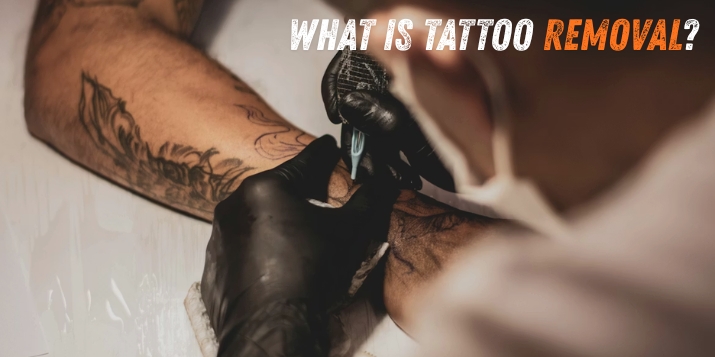
Tattoo removal is the process of completely removing unwanted tattoos from the skin. It involves breaking down ink particles using laser technology. Over time, the body's immune system gradually clears up these resultant tiny particles. The process is usually chosen for many reasons, such as getting a new tattoo, changing preferences, or removing poor-quality tattoos. At Hard Work Tattoos, our team guides you through the cover-up process and helps determine whether fading may be needed before starting your new tattoo.
What are the Different Methods of Removing Tattoos?
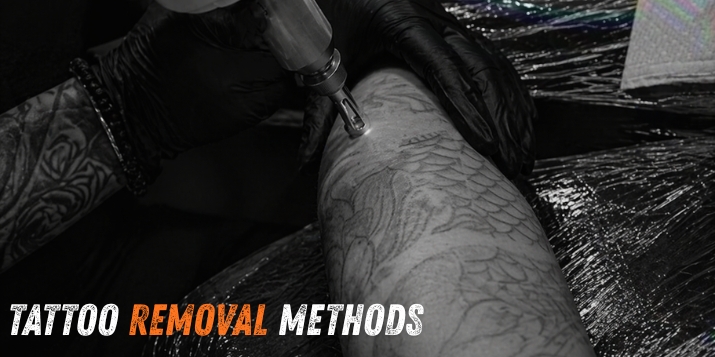
Depending on whether you want a complete removal of the tattoo or simply a cover-up, you can choose from among the following options.
01 — Laser
Laser Tattoo Removal
The laser tattoo removal procedure uses high-intensity light to break down ink particles. With time, these particles are naturally removed by the body. It is counted as one of the most effective and widely used methods for tattoo removal.
02 — Saline
Saline Tattoo Removal
Saline tattoo removal involves the use of a specialised solution to lift pigment from the skin. The method is mainly chosen for smaller or cosmetic tattoos. However, these are not as effective as the laser treatments.
03 — Cover-Up
Tattoo Cover-Ups
A tattoo cover-up is a specialised technique in which a new tattoo is designed over an existing one to hide or transform the original artwork. Many people choose this option instead of a full removal. The process also helps create a better base for the new design.
How Does Tattoo Removal Work?
01
How Does Laser Tattoo Removal Work?
Laser tattoo removal works by using focused light energy to target ink pigments in the skin. The laser breaks the ink into tiny particles without harming the surrounding skin area. Thereafter, the body's natural healing process slowly clears these particles on its own. Different wavelengths are used to treat different ink colours. Multiple sessions are required to gradually fade and completely remove the tattoo to achieve the desired result.
02
Does Tattoo Removal Hurt?
Tattoo removal can cause some discomfort during the procedure. However, the sessions are usually short, and the pain is temporary. The sensation is often described as similar to the snapping of a rubber band against the skin or a stinging feeling. The actual pain level depends on the area being treated and your tolerance level. Body parts with more pain receptors — ankles, hands, fingers, neck, and feet — hurt comparatively more. Bony and less fatty areas also tend to be more painful.
03
Does Tattoo Removal Leave Scars?
When performed correctly, tattoo removal does not usually cause scarring. Advanced laser techniques are designed to target only the ink without hurting the skin around it. Proper aftercare following each session also plays an important role in healing. Poor aftercare and pre-existing skin conditions can increase the risk of scarring. Choosing experienced professionals ensures safe treatment and better results, as they also advise on after-effects and care.
How Many Sessions Does Tattoo Removal Take?
Tattoo removal generally requires multiple sessions to show visible results. Most tattoos take 6–12 sessions for complete removal. The exact number depends on several factors, including the tattoo's size, colour, age, your skin type, and ink depth. Each session is quick, lasting only a few minutes. The first session may involve a patch test to assess how your skin responds to the treatment. Older tattoos usually fade faster than newer ones. Moreover, dark inks respond more quickly, while lighter colours may take more sessions. The sessions are usually scheduled 6–8 weeks apart to allow proper healing and effective results.
What Tattoo Removal Results Actually Look Like
Tattoo removal results develop gradually over multiple sessions as the body clears broken ink particles. The session-wise expectations may look as follows.
Session progression timeline
6–12 Sessions avg.
Start
1–2
Sessions
Early visible fading. The tattoo may appear lighter.
Mid
3–5
Sessions
Slower progress. Patchy fading and a faint outline may appear.
Late
6–10
Sessions
Gradual lightening. Some colours may remain visible.
Final
10+
Sessions
Final fading. Light shadows may still be present in some cases.
Results vary based on ink colour, skin type, and tattoo age. Consistent sessions and proper aftercare yield better outcomes.
Is Tattoo Removal Safe for All Skin Types?
Laser tattoo removal is generally safe for most skin types when performed by trained professionals. Modern laser technology allows adjustments based on skin tone and sensitivity, making it a reliable option.
With proper assessment, the risks are significantly reduced, and help obtain improved results. Lighter skin tones are at a minimal risk of tanning after the process, while darker skin tones are more prone to it. However, expert professionals use lower fluence and longer-wavelength lasers to lessen the adverse effects of laser tattoo removal. A consultation, therefore, becomes important to determine the safest and most effective treatment plan.
✕
Who Should Not Get Laser Tattoo Removal?
Certain conditions may impact healing and increase risk — a consultation confirms suitability.
Medical & skin conditions
Additional factors to consider
A specialist consultation helps determine whether the treatment is safe and suitable for your specific situation.
How Much Does Tattoo Removal Cost in Canada?
The cost of tattoo removal in Canada depends on factors like tattoo size, ink colour, and the number of sessions required, among others. The treatments are usually priced per session, as fading happens gradually over time. For those considering affordable tattoo removal options, a cover-up tattoo is the way out. During this, a partial laser fading may be recommended to lighten the existing tattoo. This typically requires 3–5 or up to 8 sessions maximum, after which the cover-up design starts.
Cover-up fading
3–5 Sessions
or up to 8 sessions maximum, after which the cover-up design starts
Tattoo Removal in Brampton — Where to Go?
Choosing the right place for tattoo removal in Brampton, Ontario, ensures both safety and the desired results. Professional clinics with advanced laser technology and experienced specialists are recommended for effective treatment. At Hard Work Tattoos, our team guides you through the cover-up process and helps determine whether fading may be needed before starting your new tattoo. Schedule a consultation with us to discuss your options.
Hardwork Tattoos
10 Dewside Dr, Unit 13, Brampton, ON L6R 0X6
+1 647-641-7775
+1 647-641-7775
Frequently Asked Questions
Common questions about tattoo removal, sessions, safety, and costs answered by our team.
Can all tattoos be fully removed?
Yes. However, the actual results depend on factors like ink type, depth, colour, and your skin's response.
How long should you wait between tattoo removal sessions?
A gap of about 6–8 weeks is usually recommended between tattoo removal sessions. Thus, your skin gets more time to recover, while your body processes the broken-down ink particles.
Does tattoo removal cream work?
Tattoo removal creams can fade designs, but they cannot completely remove them. Additionally, they can cause scarring as well. Laser-based treatments still remain the most reliable option for tattoo removal.
Can I cover up a partially removed tattoo?
Yes. Partial fading is commonly used before a cover-up tattoo. A lighter base makes it easier to create a new design with better detail and clarity.
Does tattoo removal work on coloured tattoos?
Yes, it does. However, the results differ by colour. Darker inks tend to respond faster, while lighter ones may take more sessions for complete removal.
Is tattoo removal safe for darker skin tones?
Yes, it can be safe, provided it is handled correctly. The right approach and equipment help reduce the risk of pigmentation changes. Moreover, any pre-existing conditions should also be assessed before proceeding.
How soon can I exercise after a tattoo removal session?
Light movement exercises can be continued after 24 to 48 hours. However, strenuous workouts or anything that irritates the area should be avoided for a short period.
Is financing available for tattoo removal?
Some tattoo removal service providers may offer flexible payment plans or financing options. As this can vary, it is best to confirm during a consultation.
What's the cheapest way to remove a tattoo?
Tattoo removal creams are one of the cheapest ways for removing a tattoo. However, they are not recommended due to their ineffectiveness and the chances of scarring. Professional treatments may cost more upfront, but are comparatively safer and deliver more reliable results over time.
Planning your next tattoo?
Speak with our team to get expert advice on whether fading is required before your cover-up tattoo.