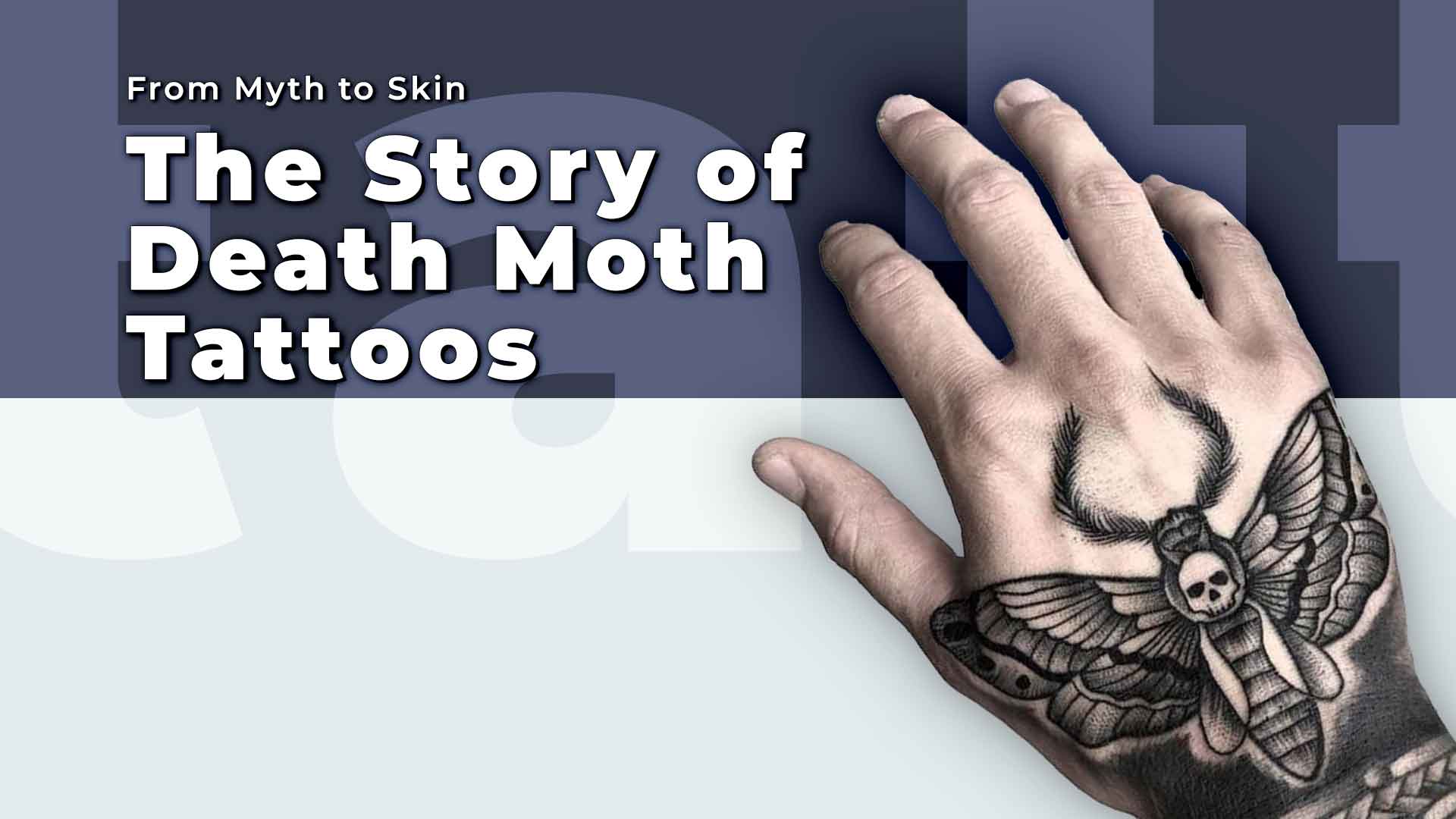
A death moth tattoo shows a direct link to death, transformation and the deep shift between darkness and renewal. The design carries a strong image because the moth has a natural skull shape on its body, which connects it to themes of mortality and mystery. This creates a symbol that speaks to personal change, shadow work and the courage to move through difficult stages of life.
Across cultural stories and modern interpretations, the moth holds a connection to metamorphosis and the search for light. Its journey toward brightness adds a layer of hope and truth-seeking. When combined with the skull marking, the meaning expands into rebirth after dark phases, acceptance of life cycles and emotional growth shaped by struggle. Some view it as a sign of inner strength or a way of claiming power in dark times. Others see it as a reminder of fate, hidden paths or the allure of the unknown.
Different tattoo styles naturally change the tone of the design. Traditional flash makes it bold and iconic. Neo-traditional adds colour and elegance. Geometric patterns give it a mystical touch. Realistic designs bring a dramatic, almost ritual feel. Each style changes the mood but keeps the core message steady: a balance of death, transformation and quiet resilience.
What are the different Meanings of the Death Moth Tattoo?
A death moth tattoo carries a wide range of meanings that shift with context, mood and design. At its core, it speaks to the movement between endings and new phases, which gives the symbol a layered and personal feel. The skull mark echoes themes linked to mortality and the short nature of life, while the moth’s lifecycle highlights change and the quiet renewal that follows hardship. This mix creates a message built on growth formed through darker seasons.
For some, the death moth suggests a turn inward, where the journey through shadows leads to clarity or emotional release. It can show the courage to face inner conflict or the slow process of leaving behind a former self. The tattoo also touches on spiritual ideas since moths are often tied to the unseen or the shifting space between the physical world and the afterlife. In other designs, the focus moves toward gothic or macabre themes, giving the image a bold and intense tone. When used as a memorial, the moth becomes a soft tribute to those who have passed, showing remembrance without losing sight of hope or continuity. Each angle builds on the same foundation yet creates its own distinct expression, which is why the death moth holds such a varied and meaningful place in tattoo culture.
What is the traditional Symbolism of the Death Moth Tattoo?
The traditional meaning of a death moth tattoo centres on mortality. It draws from old beliefs that linked the moth’s skull marking to endings, omens and the quiet passage between life and death. This view comes from the real death’s-head hawkmoth that carries a natural skull shape on its thorax. In folklore, that mark gave the insect an eerie reputation and tied it to night, silence and the unknown. Over time, the moth became a symbol of the delicate line between life and the afterlife. It also held a place in Gothic stories where its presence suggested mystery or a shift that could not be avoided. Even so, traditional meaning does not stop at darkness alone. The moth’s life cycle still sits within the symbolism because its emergence from the cocoon shows how change often begins in shadows. This blend of mortality and transformation gives the tattoo a deeper pull, creating a link between what ends and what begins again.
What is the Cultural Perspective of the Death Moth Tattoo?
The Death Moth tattoo holds cultural meaning that centres on death, spirit journeys, and the balance between light and darkness. The meaning comes from a mix of folklore, spiritual beliefs, and modern cultural interpretations. The tattoo draws its power from how different societies understand moths as symbols that live between worlds. Some cultures treat the moth as a quiet guide for the soul. Others see it as a reminder that every life moves through cycles that cannot be stopped. This blend creates a tattoo that feels mysterious and thoughtful rather than negative.
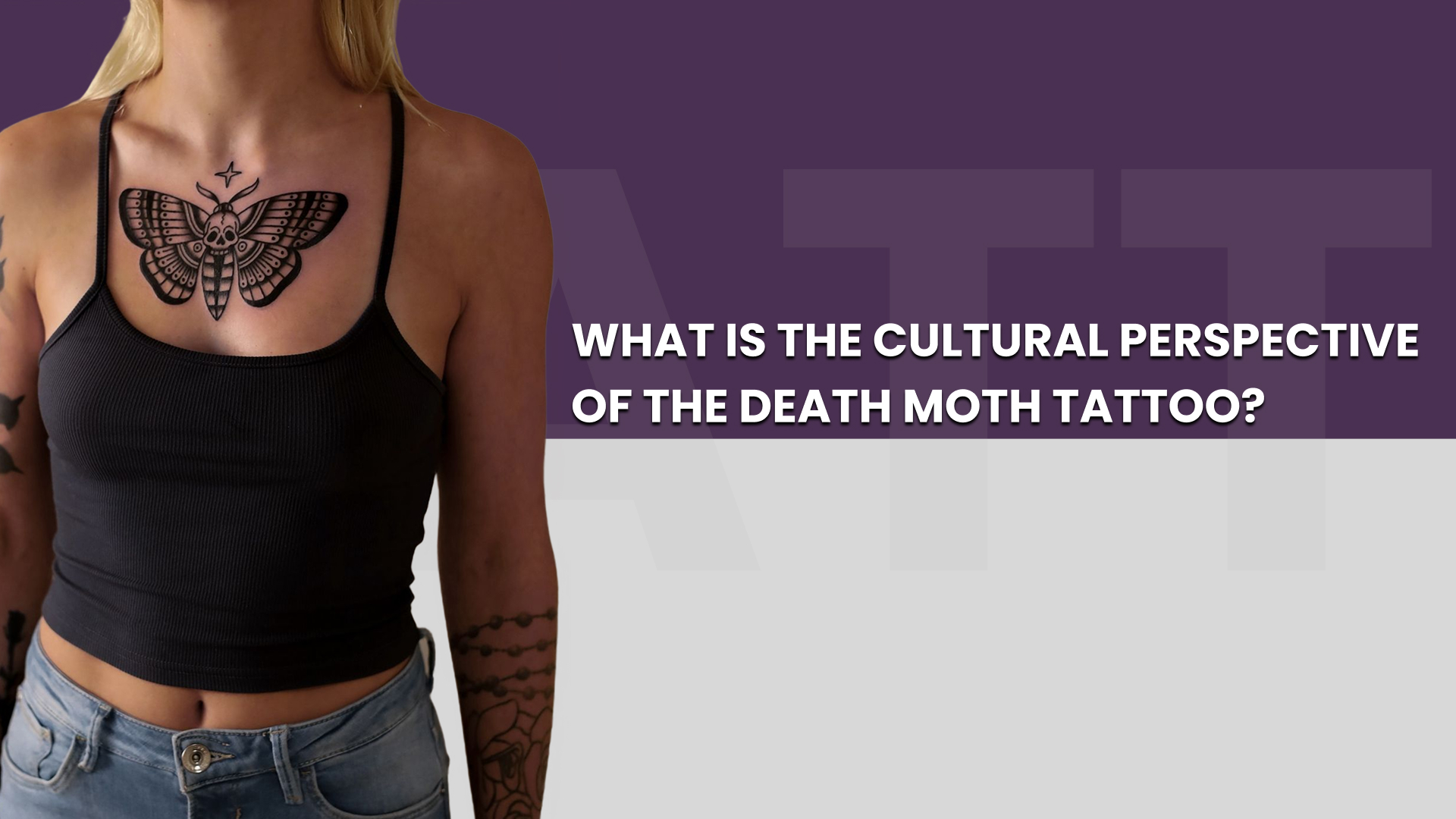
Across Western folklore, the death moth is linked with the idea of mortality. This comes from the skull-shaped pattern on the moth’s back and its long connection with night and silence. Yet the meaning shifts in Eastern and Latin American cultures. Here, the moth is tied to the soul, ancestors, and the movement between realms. It becomes a gentle symbol rather than a dark one. It speaks to the journey a spirit takes when life ends and something new begins.
Modern culture adds another layer. The death moth has become a symbol of duality within gothic and alternative communities. It shows comfort with the shadow side of life. It also signals emotional strength because it carries both beauty and stark truth in one image. This is why the tattoo often feels empowering. It allows the wearer to express a private understanding of change, endings, and renewal without relying on harsh symbolism.
The tattoo’s cultural depth also comes from myths that describe moths as guides who move between the physical and spiritual worlds. In these stories, the moth pushes toward light even when surrounded by darkness. That journey reflects a cultural belief shared across traditions. It shows the human urge to find clarity after loss and to grow despite fear.
Because each culture views the death moth through its own lens, the tattoo becomes flexible in meaning. It can show acceptance of mortality in one context. It can symbolise personal change in another. It can honour ancestors or express a sense of spiritual maturity. What connects all these meanings is the idea of crossing thresholds. The moth becomes a figure that belongs to the night yet seeks light with calm focus. This cultural layering is what gives the death moth tattoo its appeal. It invites the wearer to stand between two worlds. It offers a symbol that holds death and rebirth at the same time. It speaks to mystery and truth. It feels timeless because it mirrors the way many cultures understand life’s deeper patterns.
What does the Death Moth tattoo reveal about metamorphosis and life cycles?
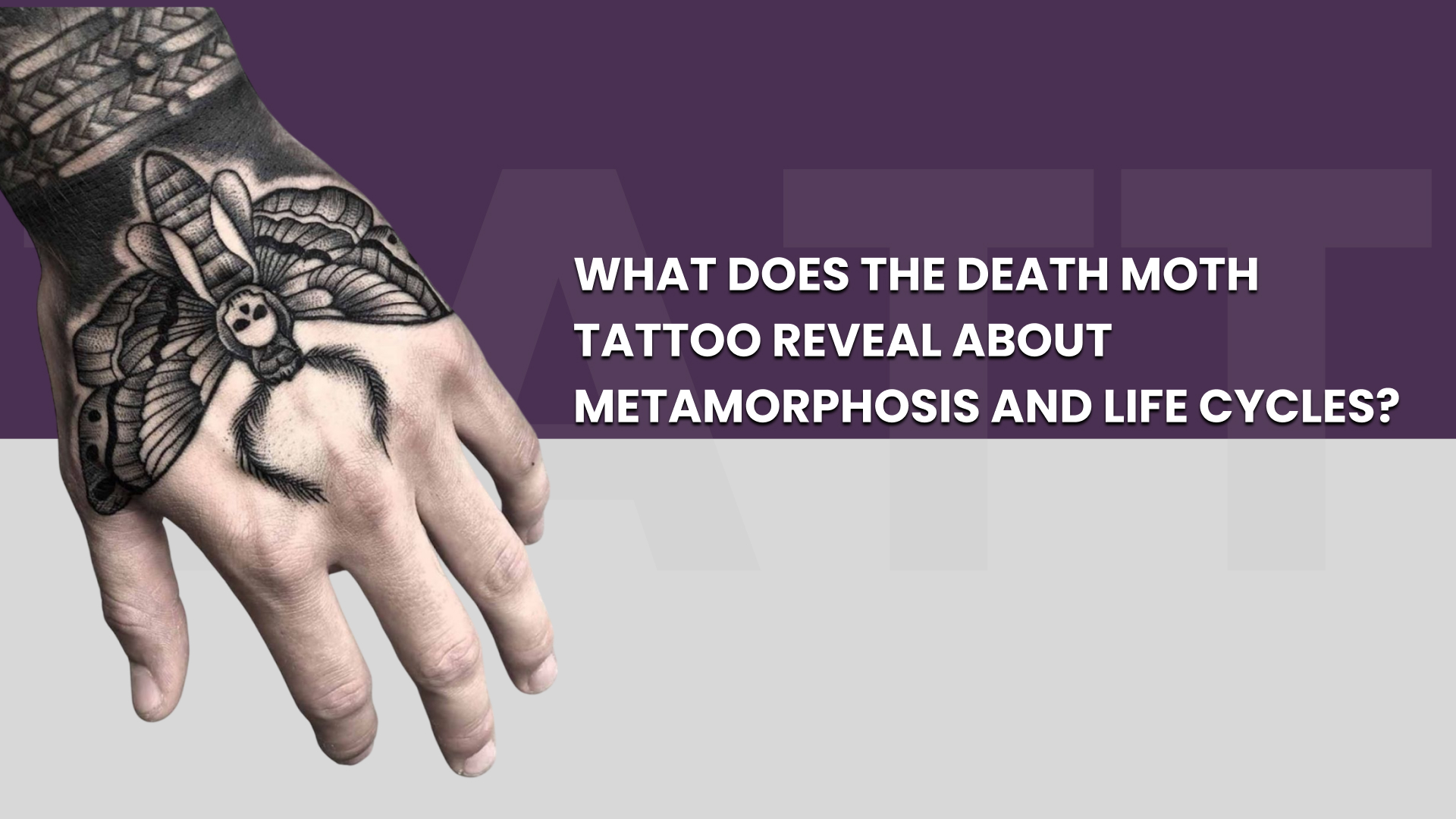
The death moth tattoo clearly speaks to transformation through change. It captures the shift from one state of life to another and shows how growth often rises from difficult moments. The moth’s life cycle creates a natural link to metamorphosis. It begins as a caterpillar, enters the cocoon and emerges as a new form. This process mirrors the inner journey of letting an old chapter fade so a new self can take shape. The presence of the skull mark adds the idea of endings and the truth that life moves in cycles. This pairing creates a symbol that blends mortality with renewal. It shows the courage to face the darker side of life without losing the pull toward new beginnings. The tattoo also reflects the search for light, as moths move toward brightness even when surrounded by shadow. This makes the design feel grounded in resilience and quiet strength. It captures a moment where change feels unsettling yet necessary. The meaning settles on evolution shaped by both loss and rebirth, creating a powerful emblem of personal transformation.
Is the Death Moth the Same as the Skull Moth Tattoo?
No, the Death Moth is not the Same as the Skull Moth Tattoo. However, they are closely linked. A death moth refers to the real death ‘s-head hawkmoth, which carries a natural skull-shaped mark on its thorax. A skull moth tattoo is the artistic version that builds on this feature and gives the skull motif a stronger focus. Tattoo designs often push the skull element further, so the final image can look more dramatic than the actual moth. This is why the two terms overlap yet still describe different things.
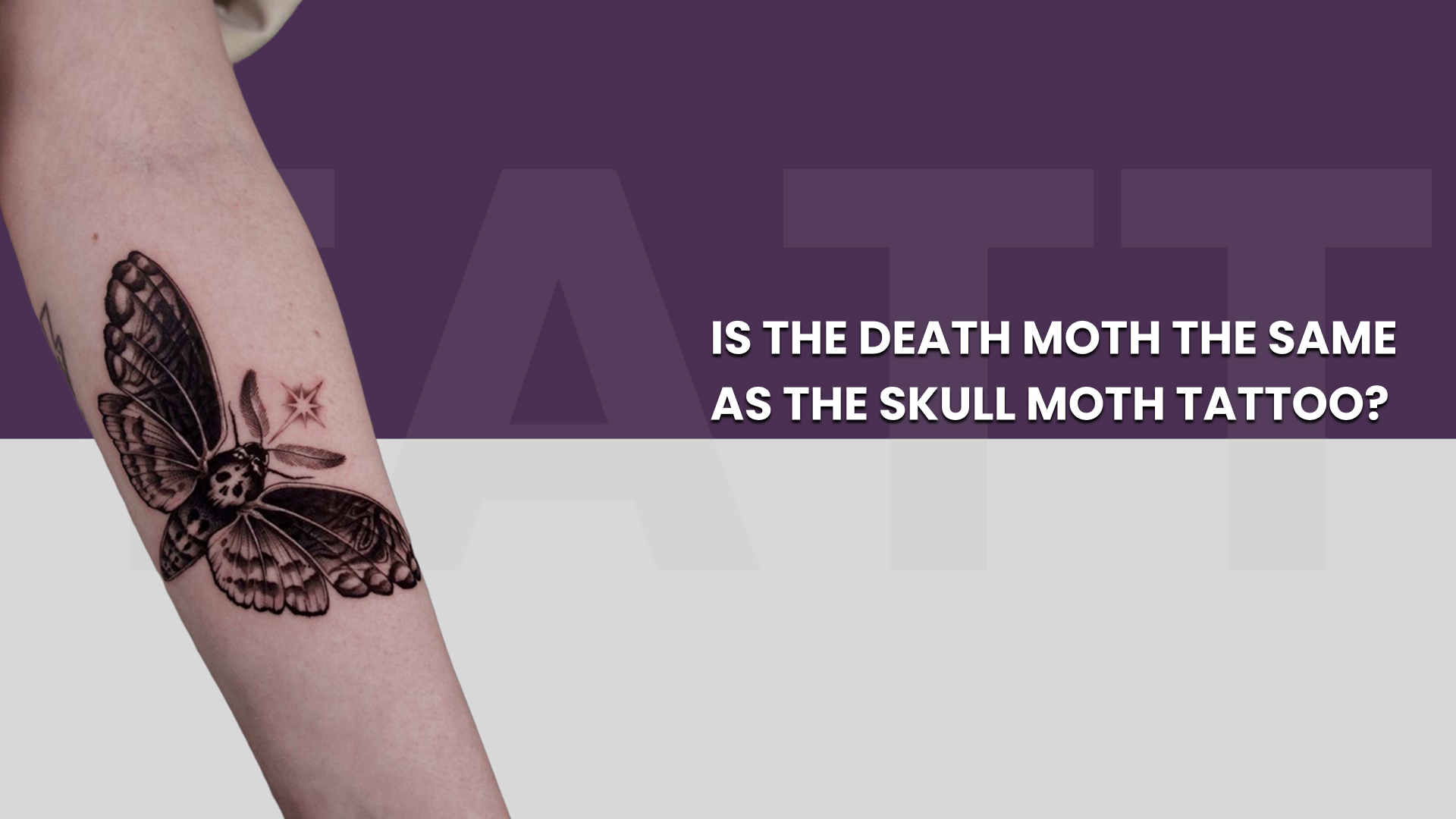
The death moth brings a clear connection to the natural world because the insect already carries a shape tied to mortality. The skull moth leans more into symbolism shaped by tattoo art and uses the skull detail as the main feature rather than a subtle pattern. Both designs share themes tied to change and darker beauty, but the skull moth usually feels bolder and more stylised. The difference comes down to origin and intention. One is rooted in the real species that inspired centuries of stories. The other is shaped by artistic freedom and darker aesthetic choices.
How do you choose a Death Moth tattoo design?
The best way to choose a Death Moth tattoo design is to pick a style and placement that match your personality and the mood you want the tattoo to carry. This motif has a strong visual identity, so the design should feel intentional and true to your aesthetic.
The starting point of the death moth tattoo is the style. A realistic design gives the moth a bold and intense look. A neo-traditional style adds softer lines and richer colour. A geometric version feels cleaner and more structured. Each option creates a different tone, so consider whether you want the tattoo to feel dark, artistic, or symbolic.
Placement shapes the final impact. A forearm or thigh works well for open wings and balanced proportions. A chest or sternum placement creates a clear centre point and highlights the symmetry. A back or shoulder blade suits larger wings and deeper shading. Choose a size that supports fine textures since the wing patterns and skull markings need enough space to stay sharp.
Motifs help you personalise the piece. A moon adds a spiritual touch. Flowers create softness and growth. A dagger brings conflict or strength. These elements make the design more personal and less generic. Colourr also guides the mood. Blackwork creates a bold gothic feel. Muted tones add depth without overpowering the wings. Full colour gives the design a vivid and expressive tone.
The last step is choosing an artist who understands symmetry and shading. A Death Moth relies on clean wing balance and strong texture. Looking through portfolios helps you match your vision with the right style.
1. Why do people choose a Death Moth tattoo for personal change?
A Death Moth tattoo is often chosen during major life shifts because its symbolism blends endings with renewal. The moth’s link to darkness and emergence mirrors emotional turning points, which makes it a natural fit for periods of deep change.
2. Does a Death Moth tattoo always have a dark meaning?
No, a Death Moth tattoo is not fixed to darkness alone. Its themes also include growth, clarity and the quiet strength that comes from facing inner challenges. The skull shape adds depth, not negativity.
3. Is the Death Moth tattoo linked to spiritual awakening?
Yes, the Death Moth can reflect spiritual awakening. The moth’s movement toward light mirrors the search for truth after difficult stages. This creates a calm and grounded spiritual meaning.
4. What does the Death Moth symbolise in modern tattoo culture?
In modern tattoo culture, the Death Moth symbolises personal evolution, emotional strength and a connection to unseen or hidden parts of life. It has become a mark of quiet resilience and self-understanding.
5. Does the meaning change when the wings are open or closed?
Yes, wing position changes the tone. Open wings feel bold and expressive. Closed wings create a calmer look linked to introspection or transition. Both keep the core message of change and renewal.
6. Why is the Death Moth popular in gothic and alternative style tattoos?
Its skull marking and night-bound nature fit well within gothic and alternative aesthetics. The design carries a sense of mystery and truth, which appeals to people drawn to darker or symbolic imagery.
7. Can a Death Moth tattoo be used as a symbol of healing?
Yes, the tattoo often reflects healing because it mirrors the idea of moving through shadow to reach light. The moth’s lifecycle aligns with emotional recovery and quiet rebuilding.
8. What makes the Death Moth different from other moth tattoos?
The natural skull shape sets it apart. This creates a sharper connection to mortality and inner change. Other moths focus more on beauty or freedom, while the Death Moth blends darkness with rebirth.
9. Do colours change the meaning of a Death Moth tattoo?
Colour changes the mood. Blackwork feels bold and gothic. Muted tones add softness. Full colour creates a vivid symbolic effect. Each option shifts how the tattoo feels without losing its core message.
10. Is the Death Moth tattoo connected to shadow work?
Yes, the tattoo aligns with shadow work because it reflects a journey through difficult emotional stages. It signals acceptance of the darker sides of life and the growth that follows.