
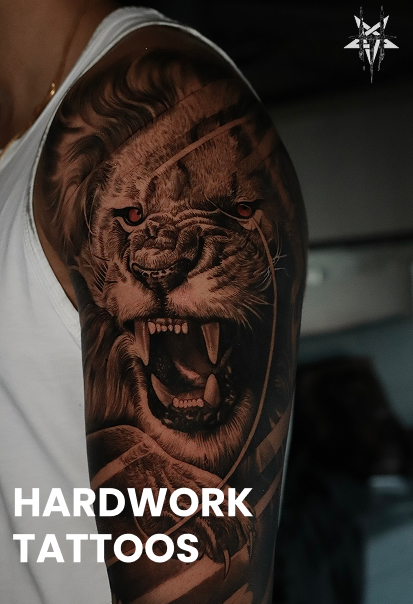
3D Tattoos
3D tattoos create depth, movement, shadow, and hyper realistic detail that looks raised or carved into the skin. The style produces an illusion that transforms simple artwork into lifelike imagery. Artists use precision shading, controlled contrast, soft gradients, and defined highlights to build a sense of volume. Each technique contributes to a visual effect that feels layered rather than flat. The growing popularity of dimensional tattoos shows how modern tattoo culture gravitates toward immersive art with bold visual impact. The style appears in portraits, animals, insects, flowers, geometry, mechanical concepts, and lettering because the effect elevates almost every idea.
Book Your 3D Tattoo Appointment at Hardwork Tattoos
What Are 3D Tattoos?
3D tattoos create the illusion of depth through advanced shading, controlled lighting, and strategic shadow placement. The technique pushes the artwork beyond traditional two dimensional outlines by adding realistic volume. The approach makes objects look as if they sit above the skin or sink inside it. The style appeals to tattoo collectors who want designs that feel dynamic and photorealistic.
2D tattoos rely on outlines and flat shading, while 3D tattoos use detailed gradients, high contrast, soft edges, and transitions between light and dark. Artists recreate natural shadows and reflections to mimic real textures. Surfaces like metal, skin folds, petals, fur, or glass appear more convincing once the design receives layered tonal work. The effect captures movement and realism that cannot appear in basic line art.
Hyper realistic 3D tattoos intensify the illusion by using micro shading, precise needle grouping, and smooth blends. Examples include spiders that look like they crawl across the skin, ropes that appear to wrap around limbs, or flowers that appear sculpted. Each example highlights the power of depth and dimension in advanced tattooing.
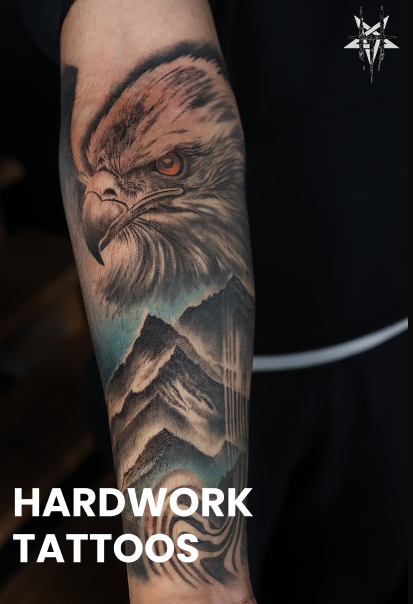
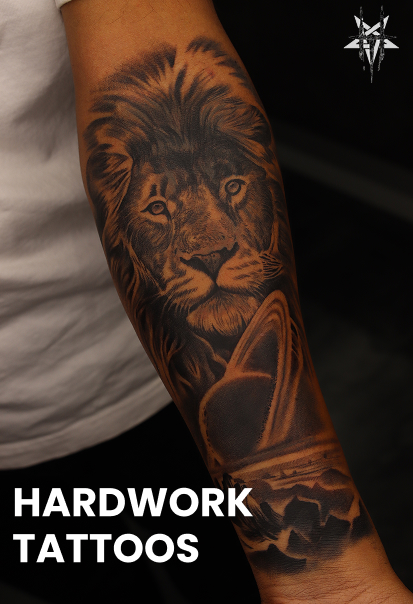
How Artists Create the 3D Effect?
Artists build the illusion of depth through shading, shadow placement, highlights, and color gradients. Each technique works together to achieve realism.
Shading adds volume through darkened areas that mimic recessed sections. Smooth gradients form the core of the effect because the skin must transition from dark to light without abrupt edges. Artists adjust needle pressure to control density and distribute pigment evenly.
Shadow placement reinforces the illusion by marking where an object would naturally block light. Drop shadows make objects appear raised above the skin. Internal shadows create the impression of folds, holes, or mechanical openings. Accurate shadows strengthen the realism of spiders, gears, ropes, chains, and lettering.
Highlight techniques raise the illusion by emphasizing where light hits a surface. Artists leave untouched skin or use minimal white ink to create reflective spots. Highlights appear on metal, water, eyes, leaves, and glass because these materials catch light in very specific ways.
Color gradients improve the dimensional effect by blending tones smoothly. A transition from saturated color to soft neutral tones adds realism to flowers, portraits, and myths. Each gradient contributes movement across the skin, reinforcing the three dimensional appearance.
What Are Different Types of 3D Tattoos?
3D tattoos appear across multiple categories because the illusion enhances any idea. Each type uses contrast, lighting, and texture in different ways to produce unique visual outcomes. Artists tailor needle techniques to suit portraits, insects, geometry, or mechanical concepts. The variety supports personal expression in many styles.
Realistic 3D Tattoos
Realistic 3D tattoos recreate real life objects with detailed precision. Artists use photo references to capture natural shadows, texture, skin folds, reflections, and angles. The effect becomes convincing when every detail aligns with how the eye perceives depth. Realistic objects like stones, birds, roses, and jewelry appear vivid after controlled shading. The technique depends on accurate anatomy and consistent lighting because realism demands clarity.
These tattoos appeal to collectors who value lifelike art or want meaningful objects represented with truthfulness. The style suits both black and grey and color tattoos. Each approach supports realism by shaping contrast and tonal balance. Collectors choose realistic 3D tattoos for sentimental themes, nature concepts, pets, or symbolic objects.
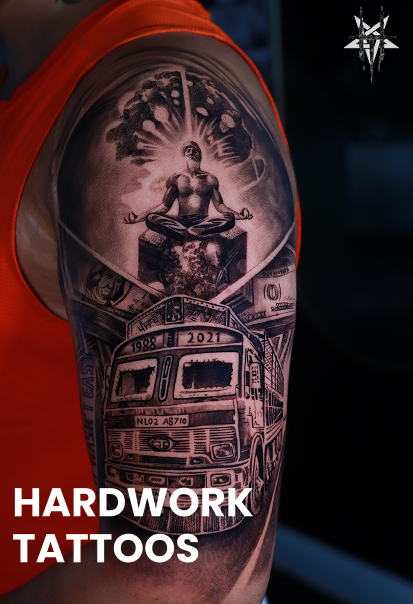
Hyper Realistic 3D Tattoos
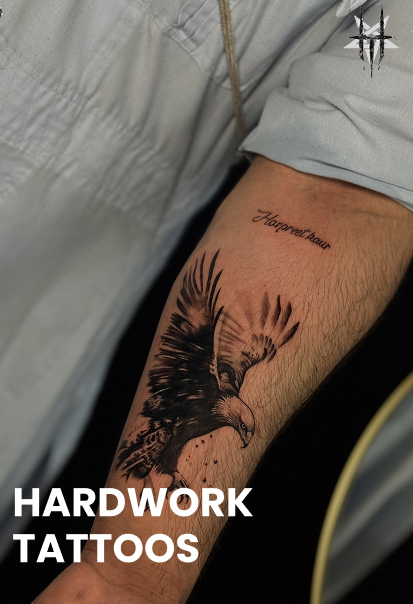
Hyper realistic 3D tattoos push detail to a level that nearly resembles photography. Artists layer extremely fine strokes, micro shadows, and ultra smooth gradients. The effect becomes even more striking when the design includes reflective surfaces, tiny textures, and precise lighting. Hyper realism appears in portraits, animals, insects, metal structures, and surreal illusions.
These tattoos require advanced technical mastery and many hours of dedication. Each layer must heal correctly for the final effect to stay sharp. Hyper realistic tattoos demand commitment from both artist and client, yet the result produces unforgettable art that stands out from traditional designs. Collectors choose hyper realism for emotional portraits, dramatic creatures, and intense imagery that leaves a strong visual impression.
Three Dimensional Color Tattoos
Three dimensional color tattoos use saturated pigment and layered tones to build dimension. Artists blend bright hues with neutrals to create depth. Each transition creates a sense of movement across the skin. Color intensifies flowers, animals, gemstones, water themes, and fantasy tattoos because pigment enhances vibrancy and texture.
Color based 3D designs require careful planning since every hue influences contrast. High contrast improves realism while muddy colors reduce clarity. Smooth blends turn petals into soft gradients, while bold highlights create reflection. Clients choose color based dimensional tattoos when they want expressive art with strong visual energy.
3D Portrait Tattoos
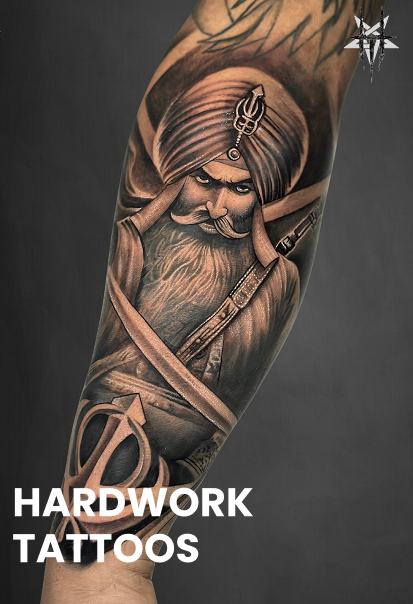
3D portrait tattoos capture faces or figures with depth and emotional presence. Artists use advanced shading, facial anatomy knowledge, and lighting control to recreate expressions, wrinkles, highlights, and hair texture. Portraits appear more lifelike when shadows follow natural bone structure. Dimensional portraits work well for family members, celebrities, fictional characters, and historical icons.
Artists often use black and grey for portraits because neutral tones protect detail. Color portraits create warmth and vibrancy, though they require more upkeep. The 3D effect intensifies realism by adding definition around eyes, lips, cheekbones, and hair. These tattoos honor people with artistic authenticity and emotional depth.
Optical Illusion and Dimensional Tattoos
Optical illusion tattoos create visual tricks that challenge perception. Artists design patterns that appear to move, twist, or break open the skin. The dimensional style suits geometry, surreal imagery, broken glass, spirals, and impossible shapes. Shadows and highlights control the flow of each illusion.
These tattoos create visual excitement because they appear different from every angle. The design may look raised, sunken, or floating. Collectors who enjoy abstract or futuristic themes often choose optical illusions for their originality. The effect depends on strong contrast and perfect symmetry.
3D Geometry and Abstract Designs
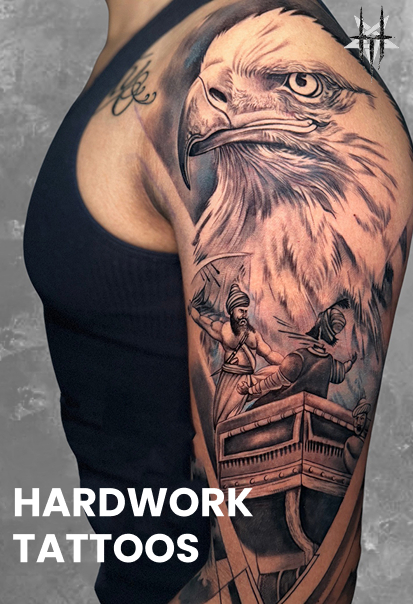
3D geometry and abstract tattoos mix mathematical shapes with realistic shading. Artists use cubes, spheres, pyramids, mandalas, and impossible shapes to build dimension. Each design becomes visually powerful once shadows and highlights add structure. Abstract concepts suit clients drawn to minimalism or symbolism because geometry carries intellectual meaning.
These tattoos fit shoulders, arms, chests, and backs because large areas support complex shapes. The dimensional effect reinforces stability, harmony, or chaos depending on design structure. The style works in both black and grey and color formats.
3D Tattoo Designs and Ideas
3D tattoo ideas appear across nature, animals, insects, mechanical elements, lettering, and concept driven themes. Each idea gains intensity once depth and shading reshape the design into lifelike art. Clients choose 3D ideas to express personality, interests, symbolism, or emotional meaning. Artists tailor each design to body placement for maximum effect.
3D Animal Tattoos
3D animal tattoos create lifelike representations of wildlife. Artists focus on fur texture, muscle structure, eye reflections, and natural shadows. The effect appears strongest in wolves, lions, tigers, owls, eagles, and snakes. Each animal carries symbolic value connected to strength, intuition, loyalty, or protection.
These tattoos require detailed shading because animal realism depends on light interaction across fur or scales. Clients choose these designs to embrace animal traits or honor spirit animals. The dimensional effect makes each creature appear animated on the skin.
3D Nature Tattoos
3D nature tattoos include flowers, butterflies, leaves, vines, stones, and landscapes. Artists use color gradients and soft shadows to create vibrancy. Roses, lotuses, orchids, and sunflowers become popular because their layered petals support depth. Butterflies appear elevated above the skin after drop shadows enhance wing movement.
Nature tattoos bring emotional symbolism connected to growth, transformation, beauty, and healing. The 3D effect turns simple floral designs into sculpted artwork. Clients often choose these tattoos for large placements like shoulders, ribs, thighs, or forearms.
3D Mechanical and Cyborg Tattoos
3D mechanical tattoos merge human anatomy with gears, pistons, wires, and metal plates. The biomechanical style creates the impression of machinery beneath the skin. Artists simulate chrome reflections, metallic textures, and deep recesses that look carved. The cyborg effect suits sci fi themes because the design blurs the line between human and machine.
These tattoos require sharp lines, high contrast, and precise highlights. Clients choose mechanical concepts for futuristic expression or symbolic connection to strength and resilience. The dimensional effect makes each opening appear embedded within the body.
3D Insect Tattoos
3D insect tattoos make spiders, scorpions, beetles, and dragonflies look as if they sit on the skin. Drop shadows create a crawling effect. Artists add reflective highlights and defined legs to amplify realism. Each insect tattoo gains intensity through precise shading along segmented parts.
Collectors choose these designs for bold visual impact. The 3D effect becomes highly convincing, especially when the insect appears to perch on shoulders, forearms, or calves. The design type attracts clients who enjoy edgy artwork or symbolic meanings tied to danger, transformation, or survival.
3D Lettering and Name Tattoos
3D lettering tattoos turn text into raised, carved, or floating script. Artists use shadow placement to create a sculpted effect. Names appear more prominent once shadows frame each letter. The dimensional technique suits personal messages, quotes, and initials.
The style works in block fonts, cursive, Gothic script, and modern typography. Clients choose lettering tattoos for emotional expression because names and quotes carry sentimental meaning. The 3D effect enhances readability and artistic value.
3D Tattoos for Men
3D tattoos for men often feature bold themes like mechanical parts, animals, warriors, geometric patterns, and optical illusions. These designs emphasize strength, structure, and complexity. Artists use heavy contrast and defined shadows to create rugged depth. Popular placements include arms, chest, back, and legs.
Men choose dimensional tattoos that represent power, resilience, ambition, or legacy. The effect supports high visual impact and bold energy. Mechanical concepts, lions, wolves, armor styles, and abstract geometry rank among favorite themes.
3D Tattoos for Women
3D tattoos for women lean toward elegant, expressive, and symbolic designs. Popular themes include flowers, butterflies, jewelry, vines, feathers, celestial imagery, and portraits. Artists use soft gradients and delicate shading to create depth without harsh transitions. Color adds vibrancy to feminine designs.
Women choose dimensional tattoos that express growth, transformation, beauty, or empowerment. Popular placements include shoulder blades, forearms, thighs, ribs, or collarbones. The effect creates a sculpted and graceful appearance on the skin.
How Are 3D Tattoos Done?
Artists follow a structured process that moves from concept to layered shading. Each stage shapes the realism and final depth of the tattoo.
Step 1: Consultation and Drafting
The consultation shapes the direction of the tattoo. Artists study references, discuss placement, evaluate skin type, and identify the lighting style. Drafting begins after the idea becomes clear. Artists sketch forms, light angles, and shadow boundaries. The initial concept determines the realism level and shading approach.
Clients review draft sketches and provide feedback. Adjustments ensure the design fits the body shape. A strong draft creates a smoother tattoo experience since shadows and highlights must align correctly.
Step 2: 3D Tattoo Drawing and Stencil Preparation
The stencil outlines major shapes and structural elements. Artists transfer the stencil to the skin to guide placement. The stencil shows edges, internal divisions, and core shapes without final shading. A clean stencil supports depth because proportions must remain accurate.
Artists sometimes freehand additional lines directly on the skin for better flow. Complex 3D designs require precise mapping to predict how shadows will fall. Stencils vary from simple outlines to detailed guides depending on the design complexity.
Step 3: Layering Ink to Create Depth
Shading begins after the stencil anchors the design. Artists use multiple needle configurations to pack pigment gradually. Smooth shading builds depth because each layer controls contrast. Lighter tones push areas forward while darker tones pull areas back.
Artists add mid tones, soft gradients, and texture strokes. The process continues until surfaces look realistic. Mechanical surfaces require sharper lines, while portraits require soft blends. Each tattoo evolves through repeated passes to refine dimension.
Step 4: Finishing Touches and Highlights
Artists add highlights to emphasize raised areas. White ink or untouched skin creates brightness that enhances depth. Final passes strengthen shadows, clean edges, and sharpen reflective details. Highlights elevate metal, glass, water, and skin textures.
The finishing stage defines realism and gives the tattoo its three dimensional quality. Once highlights balance shadows, the tattoo achieves its final lifelike effect.
What Kind of Ink Is Used in 3D Tattoos?
3D tattoos use standard professional inks, though artists focus heavily on contrast. Darker inks define shadows while lighter inks support highlights. Black pigment creates deep recesses and internal shading. Grey wash blends transition between dark and light.
Color based 3D tattoos use multiple tones of each hue to form gradients. Artists use saturated colors for main surfaces and muted versions for shadowed areas. White ink appears in small amounts to create reflection.
Each ink choice influences realism. High contrast improves dimensional clarity while low contrast produces flatter results. Artists select pigment based on design type and intended light direction.
Best 3D Tattoo Styles and Trending Designs
3D tattoo trends reflect global interest in realism, illusion, and expressive imagery. Emerging trends showcase unique ways artists push boundaries.
Top Trending 3D Tattoos Globally
Global trends favor hyper realistic insects, optical illusions, biomechanical themes, and surreal concepts. Portraits of celebrities, pets, and historical figures also remain popular because emotional connection strengthens interest. Dimensional flowers and butterflies receive global attention across many cultures.
Artists experiment with skin tear illusions, metallic structures, and futuristic shapes because modern tools support detailed shading. Trends focus on designs that provoke strong visual reaction.
Most Popular 3D Tattoos on Social Platforms
Social platforms elevate designs that shock or impress viewers. Spiders, snakes, ropes, cracks, and geometric illusions rank high in engagement. Viewers respond to tattoos that look alive or interactive. Raised text and floating elements also attract attention because they photograph well.
Social media trends influence tattoo decisions because clients want designs that appear striking at first glance. Artists adapt techniques to produce crisp and camera friendly results.
Best 3D Tattoos for Beginners
Beginners choose simpler concepts with fewer layers. Small flowers, basic lettering, soft geometry, and small insects suit first time collectors. These designs provide dimensional effect without long session times.
Beginner friendly 3D tattoos focus on gradual shading and modest contrast. Clients gain experience with healing and aftercare before committing to complex hyper realistic designs.
Advanced 3D Tattoo Work
Advanced 3D tattoos include biomechanical openings, large portraits, surreal illusions, and deep carved effects. These designs require long sessions and advanced technical skill. Artists use sophisticated shading techniques to create complex textures and dramatic lighting.
Collectors choose advanced designs to build large scale projects or statement pieces. The style suits sleeves, back pieces, and thigh tattoos where artists have space to build detailed depth.
How Much Do 3D Tattoos Cost ?
3D tattoo pricing reflects artist expertise, design complexity, size, and studio location. Artists with realism experience charge higher rates because the technique requires advanced skill. Larger designs require multiple sessions due to layering. Hyper realistic tattoos cost more because they demand fine detail and long hours.
Urban studios with strong reputations often charge premium rates. Smaller cities or independent studios may offer lower prices. Clients evaluate cost based on quality, portfolio strength, and comfort.
Factor | Influence on Price |
Artist experience | Significant increase for realism experts |
Size | Larger designs require more hours |
Complexity | More layers and textures increase cost |
Color | Color tattoos often cost more |
Location | Major cities have higher pricing |
How Long 3D Tattoos Take to Heal?
3D tattoos heal within two to four weeks. The top layer closes within one week while deeper layers continue recovering. Realistic tattoos require more time because shading involves multiple passes. Clients avoid picking, scratching, or sun exposure during healing to preserve detail.
Healing progress depends on skin type, placement, and ink density. Areas with more movement may take slightly longer. A healed 3D tattoo should appear smooth and evenly colored.
How To Avoid Color Fading in 3D Tattoos?
Color based 3D tattoos stay vibrant when protected from sun exposure. Sunscreen and moisturizers preserve pigment. Harsh soaps, friction, and dehydration speed up fading. Clients maintain saturation by keeping the skin conditioned.
Strong contrast improves longevity because darker tones fade slower. Touch ups revive high detail areas over time.
How to Protect the Depth Effect in 3D Tattoos Over Time?
The depth effect remains crisp when shadows and highlights stay clear. Proper skincare maintains definition. Moisturizers prevent dryness that dulls gradients. Clients protect their tattoos during workouts, sun exposure, and swimming.
Regular checkups with the artist help evaluate when a touch up might enhance realism. Consistent care keeps depth strong for many years.
How to Choose the Right Artist for a 3D Tattoo?
Choosing the right artist determines the success of the tattoo. Artists with realism experience understand lighting, anatomy, and depth. Clients evaluate portfolios to see consistency in shading, contrast, and clarity.
Studio hygiene, equipment standards, and communication skills influence the experience. Artists answer questions about healing, sessions, and design adjustments. Clients feel confident when the artist explains the shading plan and light direction. Below is a list of key factors to check:
- Portfolio strength in realism
- Comfort discussing expectations
- Knowledge of lighting and shadows
- Clean and licensed studio
- Positive client reviews
Expert artists deliver results that stay beautiful for years.
FAQs
Do 3D tattoos hurt more?
3D tattoos do not hurt more than standard tattoos. Pain depends on placement, skin sensitivity, and session length.
How long do 3D tattoos last?
3D tattoos last many years when protected from sun exposure and kept moisturized. Gradual fading occurs naturally.
Can any tattoo artist do 3D tattoos?
Not all artists specialize in realism. Clients choose artists with portfolios that show depth and detail.
Are 3D tattoos safe?
3D tattoos remain safe when completed in licensed studios with sterile tools and professional inks.