
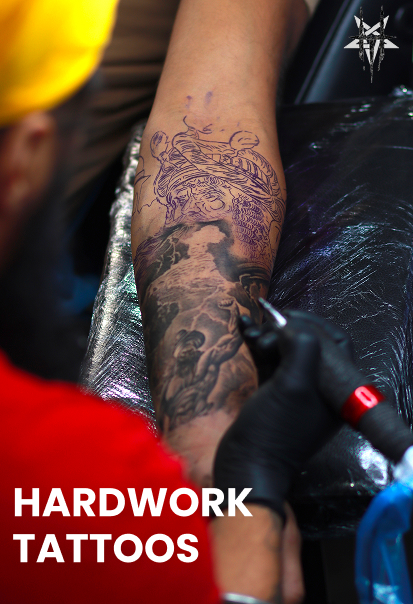
Cover Up Tattoos: Techniques, Ideas & How to Choose the Best Artist
Book Your Coverup Tattoos Appointment at Hardwork Tattoos
What Are Cover Up Tattoos?
Cover up tattoos are redesigned tattoos that replace an older piece with stronger lines, richer saturation, and strategically planned shapes. The concept relies on creating a new visual hierarchy that pulls attention toward the fresh design while incorporating or disguising the previous ink. Modern cover-up methods rely on color theory, layering, and depth manipulation to redirect the eye. Experienced artists evaluate the density of the old pigment, the size of the previous tattoo, and the available skin undertone to decide the best approach. The practice has grown into a specialized skill, as many individuals seek solutions for faded, distorted, or regretted tattoos. Growing interest in tattoo transformations encourages people to explore more sophisticated styles that can completely reframe an older piece.
People often consider cover up tattoos when memories change, relationships evolve, or stylistic preferences shift. Strong visualization and expert placement help artists create meaningful transformations that feel intentional. Many artists now build portfolios focused entirely on cover ups, which signals a high level of expertise. A successful cover up replaces insecurity with confidence by turning a past mistake into a fresh expression.
Why People Choose Cover Ups?
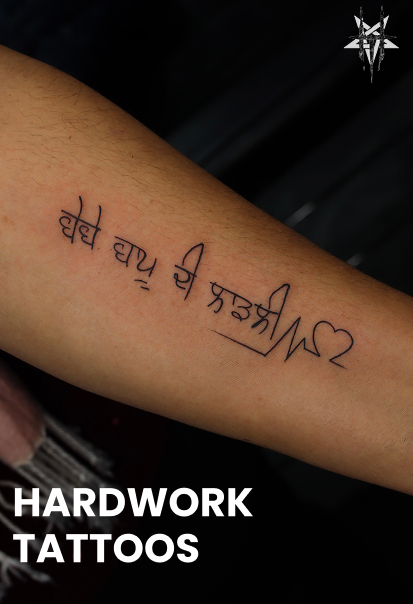
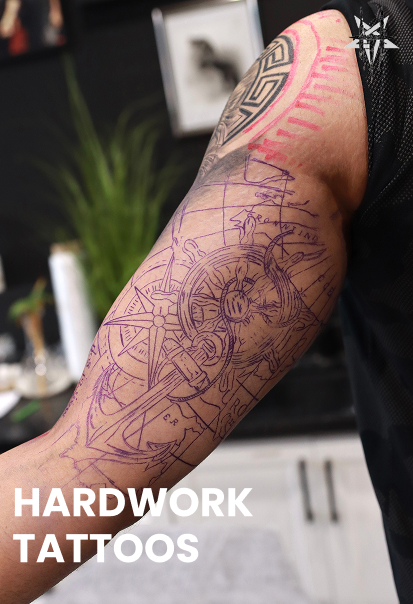
People choose cover up tattoos to correct previous choices, refresh outdated artwork, or hide poorly executed pieces. Personal growth encourages many individuals to replace names, symbols, and impulsive designs with more representative and mature artwork. Aesthetic evolution also influences the decision, as older tattoos often lack the detail, saturation, and refinement found in contemporary tattooing. People also choose cover ups to conceal ink that has stretched, blurred, or faded due to aging or sun exposure.
Emotional motivations frequently drive the choice. Individuals move through different phases of life, and tattoos often reflect those phases. Cover up transformations support a renewed sense of identity, which many people find empowering. The process offers closure for people who associate their old tattoo with a difficult memory. Professional transformations create opportunities to start over with a confident piece that aligns with current values. These motivations show that cover up tattoos are not only aesthetic decisions but also personal milestones, and this is why demand continues to increase globally.
How Modern Cover-Up Techniques Work?
Modern cover-up techniques work by altering the way the eye perceives contrast, negative space, and shape distribution. Artists use strategic layering to block out dark patches and soften harsh lines from the old tattoo. Higher saturation helps overpower faded pigment, while gradient shading directs attention toward focal elements. Cover-up specialists usually recommend deeper colors such as purples, greens, reds, or blacks due to their strong coverage potential. They also calculate how much of the old tattoo will remain visible and adjust the design to integrate those remnants into the new composition.
Many artists now use digital previews that help clients visualize outcomes. This practice improves communication and ensures realistic expectations before tattooing begins. Cover-up experts also combine line redirection with pattern camouflage, which hides the old shapes inside floral arrangements, animal silhouettes, or abstract textures. Professional planning reduces the risk of ghosting, which occurs when the previous tattoo resurfaces after healing. Modern techniques focus on durability, long-term clarity, and strong artistic flow, which is why choosing a specialist becomes crucial for a successful transformation.
When a Cover Up Is Better Than Laser Removal?
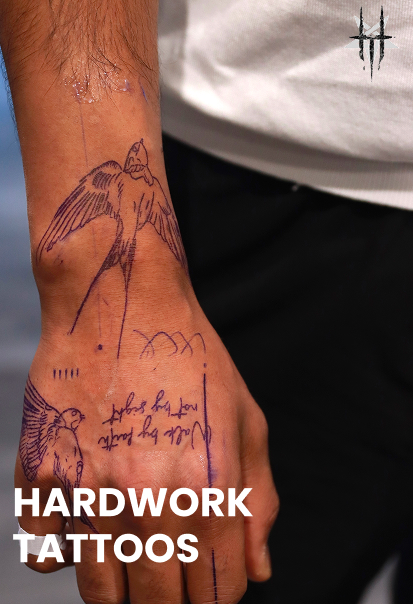
A cover up becomes the better choice when the tattoo is fully healed, the pigment shows enough fading to allow new ink saturation, and the client prefers an artistic transformation over a removal process. Laser treatments require multiple sessions that involve cost, time, and healing cycles, while cover ups offer a creative alternative with immediate visual impact. Many individuals choose a cover up when they want to convert an unwanted tattoo into a meaningful symbol instead of removing it entirely. Cover ups also suit clients with sensitive skin, as some individuals experience difficulty with laser reactions.
Laser removal becomes relevant only when the original tattoo shows extremely dense saturation, oversized shapes, or harsh outlines that cannot be integrated into a new design. Many artists recommend partial laser fading to lighten trouble spots before proceeding with the cover up. A specialist evaluates the tattoo to determine whether the pigment density allows a direct transformation. People often select cover ups for emotional reasons, as the process replaces negative memories with powerful new imagery. These factors demonstrate the practical and emotional benefits of cover ups compared to laser removal.
How Cover-Up Tattoos Work?
Cover-up tattoos follow a structured process that involves evaluation, design creation, color planning, and technical execution. The first stage focuses on understanding the old tattoo’s behavior on the skin. This evaluation helps artists identify which parts require camouflage, which lines can be integrated, and which shapes must be redesigned. Accurate assessment prevents complications during healing and reduces the possibility of ghosting.
Once evaluation ends, the artist builds a design that fits the required size, saturation, and visual direction. Larger designs usually provide more flexibility, as they extend beyond the original tattoo and create room for shading. During execution, the artist applies darker tones first, then layers medium tones, followed by highlights that finalize depth. The process requires patience, as cover ups often take longer than regular tattoos.
Healing plays a key role. Clients receive aftercare instructions that help maintain color retention and prevent early fading. Once healed, clients review the final result with the artist and decide whether touch-ups are necessary. A well-planned process creates long-term durability and maintains clarity for many years.
Evaluating the Existing Tattoo
Evaluating the existing tattoo forms the foundation of an effective cover up. The artist inspects pigment depth, saturation density, scar tissue, and placement. Older tattoos usually appear easier to cover due to natural fading. Fresh tattoos require full healing, which generally takes several months. Artists also consider skin undertone, as undertone influences how new ink behaves during layering.
Professionals examine the tattoo under different lighting conditions to detect shadow patches and uneven lines. These observations help shape the cover-up design. Artists identify the darkest points, which typically dictate the placement of new focal elements. Clear understanding of the old tattoo prevents accidental transparency in the new piece. Evaluation also supports realistic expectations, as some tattoos need an expanded size or deeper color palette to achieve complete coverage. This detailed assessment ensures a transformation that remains strong through healing and aging.
Choosing Colors, Shapes & Elements for Effective Coverage
Choosing colors, shapes, and elements supports a successful cover up by maximizing contrast control and coverage strength. Deep hues such as burgundy, navy, evergreen, charcoal, and violet tend to overpower older pigment. Artists use shapes that divert the eye, such as sweeping lines, curved motifs, or large central elements. Floral designs, animal figures, and geometric arrangements consistently deliver effective coverage due to their complexity.
Placement of shapes matters too. Large objects usually replace the darkest sections of the old tattoo, while lighter elements fill surrounding space to build visual balance. Color gradients soften transitions and prevent patchy results. Each element must carry enough detail to distract from the old lines while maintaining clean flow. These choices help artists create transformations that feel intentional rather than forced. Strong color and structured shapes combine to produce long-lasting clarity.
Recommended Styles for Strong Cover Ups
Recommended styles for strong cover ups include blackwork, realism, neo-traditional, illustrative, and ornamental designs. These styles offer dense shading, structured shapes, and room for artistic layering. Blackwork uses bold saturation to conceal even the darkest areas, which makes it ideal for stubborn old tattoos. Realism supports depth and shadow manipulation, which hides old outlines while creating lifelike imagery. Neo-traditional blends rich colors with pronounced linework, which helps overpower faded shapes.
Illustrative tattoos allow flexible compositions and strong narrative elements. Ornamental designs use patterns, mandalas, and symmetrical arrangements that naturally camouflage older lines. Many artists mix these styles to achieve full coverage while preserving aesthetic harmony. Style selection depends on the original tattoo’s size, color, and placement. Clients gain the best outcomes when they trust the artist’s stylistic recommendations after evaluation.
Pain Level & Healing Considerations
Pain level increases during cover ups due to repeated shading, extended duration, and pigment layering. Areas close to bone, such as the collarbone or ribs, typically feel more intense. Sessions may take longer, which contributes to discomfort. Healing requires disciplined aftercare, including moisturization, gentle cleansing, and protection from sun exposure. Cover-up tattoos may experience heavier scabbing due to saturation density.
Clients follow healing guidelines carefully to prevent ink loss. Artists often schedule follow-up checks to ensure smooth recovery. Touch-ups become common if the old tattoo resurfaces slightly during healing. Strict aftercare supports long-term vibrancy, which is essential for maintaining clarity. Healing consistency determines how well the cover up holds over time.
Cover Up Tattoo Designs & Ideas
Cover up tattoo designs and ideas focus on strong themes, complex shapes, and saturated colors that divert the eye away from the old tattoo. Successful cover ups use focal points, guiding lines, and layered shading to anchor attention. Many individuals choose nature-inspired motifs such as flowers, birds, or landscapes due to their adaptability. These elements provide natural curves and organic textures that hide previous outlines.
Patterns, animals, and abstract compositions also perform well as cover-ups. People prefer designs that offer both creative freedom and coverage potential. Large transformations usually include expanded backgrounds that frame the focal image and hide the edges of the original tattoo. Smaller cover ups require tighter detailing and selective shading. Clients gain the strongest outcomes when they stay open to design flexibility, as rigid expectations limit the artist’s ability to conceal the previous tattoo.
Popular Design Directions That Work for Most Cover Ups
Popular design directions that work for most cover ups include floral arrangements, birds, wolves, lions, mythical creatures, ornamental patterns, and abstract geometric shapes. These categories offer room for bold shading, layered composition, and detailed elements. Floral themes remain the most flexible, as petals, leaves, and stems can stretch across large areas and hide underlying patterns. Animal designs create focal impact that naturally diverts attention.
Ornamental and mandala-inspired designs use repeated patterns that sit comfortably over old line shapes. Geometric art offers angular transitions that draw the eye away from unwanted outlines. Each category delivers predictable results when applied by a specialist. These motifs adapt to various body placements and color preferences, which makes them suitable for both small and large transformations.
Neck Tattoo Cover Up Ideas
Neck tattoo cover up ideas rely on bold saturation, strong focal images, and extended shapes that follow natural neck curvature. Popular concepts include dark florals, ravens, snakes, lettering transformations, and geometric collars. The neck requires careful planning due to movement and visibility. Artists often recommend larger compositions that extend toward the collarbone or jawline to achieve full coverage.
Neck cover ups benefit from darker palettes such as indigo, maroon, forest green, and classic black. Patterns with symmetry, such as ornamental lace or mandala-inspired lines, also blend well. Clients often choose animals or botanical elements that wrap naturally around the neck structure. These ideas work effectively because they incorporate the old tattoo into a visually dominant design that draws attention upward or downward, away from the faded original ink.
Large Tattoo Transformation Ideas
Large tattoo transformation ideas include full sleeves, half sleeves, chest pieces, back panels, and thigh compositions. Large-scale designs provide greater flexibility for artists because they allow extended backgrounds, depth layering, and flowing transitions. Popular themes include phoenixes, dragons, underwater scenes, forest landscapes, and mythological figures. These themes use complex movement patterns that blend with older tattoos.
Large cover ups perform well when the artist expands beyond the original shape. Extended shading improves coverage and reduces the chance of ghosting. Clients often choose narrative-based designs that represent personal growth, such as rebirth symbols or protective animals. Bigger pieces conceal older tattoos more naturally, as they allow lighting effects, shadows, and large focal points that dominate the viewer’s gaze. Strong planning ensures seamless integration and long-lasting clarity.
Small Tattoo Cover Ups for Names, Symbols, and Dates
Small tattoo cover ups for names, symbols, and dates use compact elements with dense detailing to hide textual shapes. Popular choices include roses, butterflies, small animals, feathers, and ornamental motifs. Artists often incorporate micro-shading to disguise lingering letters underneath the new design. Script tattoos require strategic placement of darker elements such as leaves, wings, or geometric sections.
Minimalist patterns usually fail to cover names, so specialists pick designs that contain enough thickness to overpower lines. Clients often choose meaningful icons such as zodiac symbols or spiritual motifs to create a personal transformation. Small cover ups require precision and careful color choices, making professional guidance essential. These transformations work effectively when the artist builds adequate detail and structure into the design.
How To Choose the Right Tattoo Artist for a Cover Up?
Choosing the right tattoo artist for a cover up determines the success of the entire transformation. Cover ups demand advanced planning, high technical skill, and an understanding of color behavior. Specialists know how to manipulate density and contrast, which creates a smooth finish. Experienced artists display extensive before-and-after portfolios that showcase consistent results. These portfolios help clients understand the artist’s style and decision-making process.
Cover up work challenges even skilled tattooists, so specialization matters. Clients gain reliable outcomes when they select professionals who consistently handle complex transformations. A strong cover up requires an artist who understands the limitations of old ink and the potential of new design elements. This selection process supports a confident transformation with predictable results.
Why You Need a Specialist?
A specialist ensures accurate assessment, effective coverage, and long-term durability. Cover ups require knowledge of pigment layering, scar integration, and shape redirection. General tattooists may overlook critical factors such as saturation placement or shadow structuring. Specialists manage these complexities with precision. They understand how different pigments behave under healed skin, which helps avoid unexpected color shifts.
Professional cover-up artists also maintain the confidence to decline unsuitable designs, ensuring clients receive realistic expectations. Their experience supports creative solutions that turn challenging tattoos into cohesive artwork. The difference between a specialist and a generalist becomes most visible during healing, as specialist work retains clarity and strength. A specialist invests more time in planning and avoids shortcuts that lead to ghosting or patchiness.
Red Flags to Avoid in Cover-Up Artists
Red flags in cover-up artists include vague portfolios, inconsistent results, limited examples of healed work, and reluctance to explain their design strategy. Lack of before-and-after documentation signals limited experience. Overpromising complete coverage on extremely dark or dense tattoos also indicates poor judgment. Artists who discourage size expansion may not understand the structural requirements of a cover up.
Another warning sign appears when the artist insists on light colors for heavy coverage. Light shades rarely conceal dark pigment, so this suggestion indicates limited technical knowledge. Poor communication also becomes a red flag, as cover ups require clear collaboration. A reliable specialist always explains design limitations, pigment behavior, healing expectations, and realistic outcomes.
Cost of Cover Up Tattoos
Cost of cover up tattoos reflects the complexity, size expansion, and technical difficulty involved. Cover ups require extended time, deeper saturation, and specialized expertise, which increases pricing. Most artists charge higher rates for cover-up work than for regular tattoos due to the additional planning required. Prices vary based on design style, placement, and session length.
Price ranges depend on size, saturation needs, placement difficulty, and design complexity. Small cover ups require dense detailing and precise shading, which increases time investment. Medium pieces involve expanded backgrounds and multiple shades. Large pieces require multiple sittings, layered techniques, and extended healing cycles.
Factors That Increase or Decrease Cost
Factors that increase cost include dense old tattoos, dark pigment, scar tissue, challenging placement, and highly detailed designs. Factors that decrease cost include faded tattoos, lighter pigment, simple shapes, and accessible placement areas. Artists with extensive cover-up portfolios usually charge premium rates due to their specialization. Studio location also affects pricing.
Why Cover Ups Cost More Than Regular Tattoos?
Cover ups cost more than regular tattoos due to planning, pigment layering, expanded size, and the risk management involved. Artists must invest additional time in evaluation and design blueprinting. Technique intensity increases the workload, which results in higher fees. Specialists also take longer per session to ensure complete saturation and smooth transitions. These factors justify the higher cost range.
Aftercare Tips for Cover Up Tattoos
Aftercare tips for cover up tattoos support strong healing and long-term vibrancy. Cover ups require disciplined care due to dense saturation and repeated shading. Proper aftercare prevents ink loss and ensures even healing. Clients follow instructions carefully to maintain coverage strength and avoid color patchiness.
Healing Expectations
Healing expectations involve moderate swelling, scabbing, and slight tenderness during the first week. Saturation density may lead to thicker scabs than regular tattoos. Consistent moisturization supports smooth recovery. Clients avoid scratching, stretching, or applying fragrances near the area. Clean, gentle washes maintain hygiene and prevent infection.
How to Avoid Fading and Maintain Color?
Avoiding fading requires sun protection, hydration, and minimal friction. High-SPF sunscreen protects saturation from UV damage. Moisturizing creams maintain skin elasticity, which supports long-term clarity. Clients also avoid swimming pools, saunas, and intense workouts during healing to prevent premature fading.
When to Schedule Touch-Ups?
Touch-ups become relevant if minor ghosting appears after the tattoo heals. Artists often schedule touch-up evaluations four to eight weeks after completion. Specialists adjust shading, reinforce outlines, or add highlights to strengthen coverage. Touch-ups finalize the transformation and ensure polished results.
FAQs
Can all tattoos be covered up?
Not all tattoos can be fully covered, but most tattoos can be transformed when evaluated by a specialist. Extremely dark or oversaturated tattoos may require partial laser fading before the cover up.
Does a cover-up have to be bigger or darker?
Cover ups usually need to be bigger or darker because expanded size provides more space for layering and contrast control. Darker elements help conceal old pigment effectively.
How long should someone wait before covering a recent tattoo?
People should wait until the tattoo heals completely, which often requires three to four months. Fully healed skin supports even saturation during the cover-up process.
Is laser fading recommended before a cover-up?
Laser fading becomes helpful when the old tattoo contains harsh lines or dense black pigment. Lightening these areas gives the artist more flexibility during design creation.