
Realism Tattoos
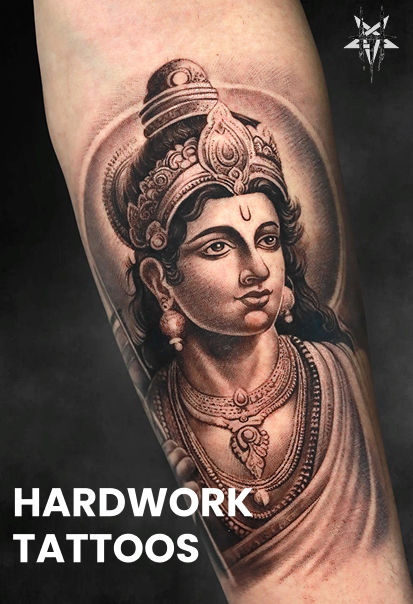
Realism tattoos create life-like imagery that mirrors photographs, paintings, and real subjects with precise detail. The style achieves a level of depth, dimension, and clarity that attracts clients who want tattoos that feel alive on the skin. Realism continues to grow in popularity because people value tattoos that capture emotions, memories, and high-definition visuals with accuracy. Every realism piece relies on observation, technique, and a high skill level that only specialised artists develop over years of practice.
Book Your Realism Tattoos Appointment at Hardwork Tattoos
What Are Realism Tattoos?
Realism tattoos represent subjects in a life-like manner, using shading, gradients, and detail work that recreate the look of real photographs or direct visual references. Artists use smooth transitions, methodical layering, and a deep understanding of shadow to replicate natural depth. Tattoo realism stands apart from traditional styles because traditional focuses on bold outlines, flat colours, and stylised motifs, while realism focuses on fine detail and photographic accuracy.
Realism also differs from neo-traditional, blackwork, and illustrative styles, which still rely on line-heavy shapes or artistic interpretation. The realism genre avoids exaggeration and instead captures natural elements, facial features, skin textures, fabric folds, and animal fur with technical discipline. Many tattoo enthusiasts now choose realism because advanced needles and inks create more accurate shades and gradients.
People also select realism tattoos because the style connects emotionally with personal memories. Portraits of loved ones, pets, or inspirational figures become long-lasting tributes. Nature scenes, animals, and cinematic themes feel immersive due to high detail work. As tattoo machines evolve, realism becomes even more accessible and accurate, which increases demand among clients who prefer tattoos that look as close to real photographs as possible.
What Are The Types of Realism Tattoos?
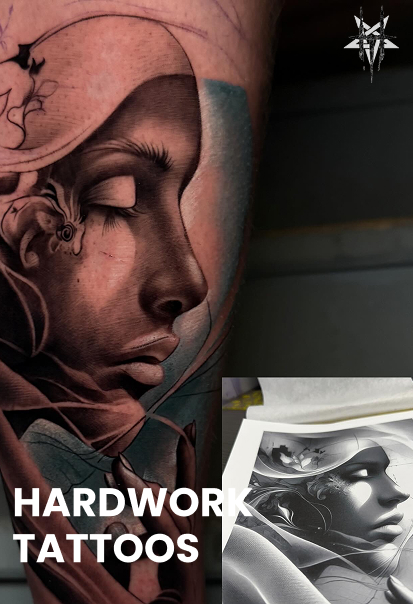
Realism tattoos fall into multiple sub-styles that differ in shading approach, colour use, complexity, and healing behaviour. Each category serves different aesthetic preferences and skin types, which makes it important to understand their distinctions. Every sub-style uses realism fundamentals, yet each one produces a unique final effect. The sections below explain the main branches of realism tattooing with clarity.
Black and Grey Realism
Black and grey realism creates depth using gradients, monotone shading, and soft transitions without any colour. Artists use diluted black ink to produce smooth tonal shifts and high-contrast shadows. The technique mirrors charcoal drawings or monochrome photography. Black and grey realism suits clients who prefer subtle, timeless, and long-lasting tattoos since black pigment retains clarity over many years.
Skin tone plays a major role in black and grey realism because contrast determines visibility. Lighter skin produces sharper tonal variation, while darker skin benefits from high-contrast highlights and bold shadows. The healing process also differs slightly because monotone shading settles more evenly across different skin types. Many clients choose black and grey realism for portraits, sculptures, architecture, and religious imagery.
Black and grey realism often lasts longer than colour realism because black ink remains stable over time. Artists still encourage clients to follow proper aftercare to maintain smooth gradients. The style remains popular among tattoo enthusiasts who want a sophisticated, classic aesthetic with strong emotional impact.
Color Realism
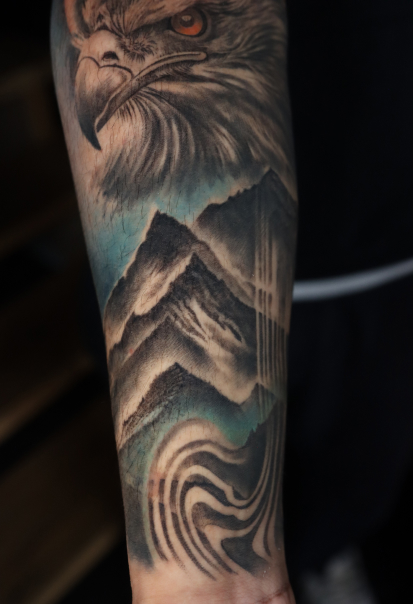
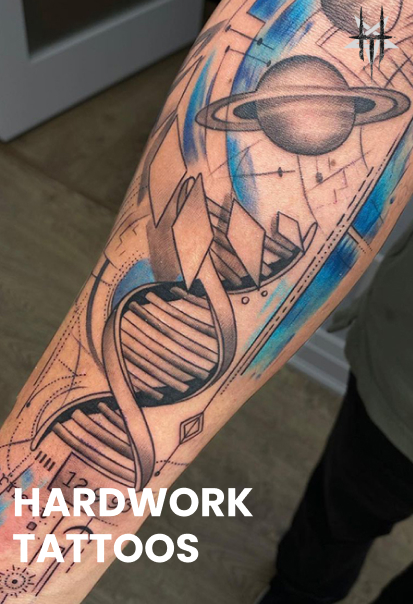
Color realism recreates subjects using saturated pigments, multi-layered colour blends, realistic textures, and complex lighting effects. Artists use colour realism techniques to match skin tones, fur patterns, fabric hues, and natural landscapes. Accurate layering creates depth that mirrors high-resolution images. Color realism attracts clients who prefer vibrant, high-energy tattoos that feel visually dynamic.
Tattoo realistic colour methods rely on precise pigment packing, colour theory knowledge, and smooth blending. Artists often mix multiple tones to match subtle facial shades or natural textures. Long-term colour longevity depends on aftercare, sun exposure, and skin type since colour pigments fade faster than black. Lighter skin holds colour realism more vividly, while medium and darker skin tones require strategic colour placement for clarity.
Color realism thrives in themes like flowers, animals, portraits, and cinematic scenes. Clients choose colour realism when they want an expressive tattoo with high vibrancy, lifelike shading, and artistic flair. Skilled artists create colour effects that remain striking for years with proper maintenance.
Hyper Realism Tattoos
Hyper realism tattoos elevate realism by adding extreme texture, microscopic detail, and heightened contrast. The style creates a visual effect that feels more real than an actual photograph. Hyper realistic tattoos include wrinkles, pores, reflections, fur strands, moisture, and surface texture with precise accuracy. The process requires extensive time due to multi-session layering and precise needle movement.
Hyper-realism tattoos and ultra realistic tattoos depend on high-definition reference images. Artists study light angles, texture direction, and minute details before beginning the tattoo. Subjects that work best in hyper realism include human eyes, hands, faces, animals, and organic textures because these subjects offer strong detail for replication. A hyper realistic lion tattoo remains one of the most requested ideas due to the dramatic mane texture and powerful expression.
Hyper realism tattoos fall within the category of the most detailed tattoos in the industry. Artists use varied needle sizes, stippling, micro-shading, and slow gradient building to maintain accuracy. Clients choose hyper realism to achieve tattoos that draw attention with precision and intensity. The final result often feels like a photograph printed onto the skin with deep emotional presence.
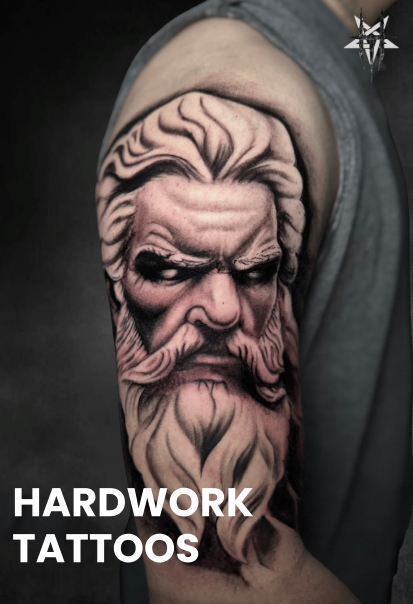
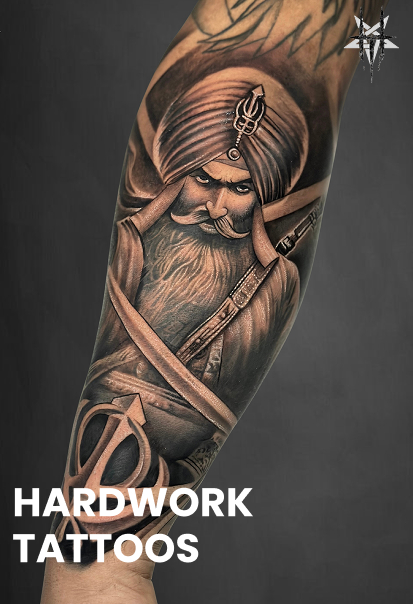
Photo Realism
Photo realism tattoos recreate subjects exactly as they appear in a reference image without interpretation. The technique focuses on proportion accuracy, shadow replication, and clear line-free shading. Artists treat the tattoo like a printed photograph, which requires a perfect reference image. Clients must supply high-resolution photographs because clarity determines final sharpness.
Photorealistic tattoos often capture people, pets, objects, or landscapes with near-perfect resemblance. Artists analyse contrast, colour temperature, reflections, and fine detail before starting the tattoo. The photo realism method requires patience since each area must match the original image accurately. Clients select photo realism when they want tattoos that look identical to cherished photos.
The importance of reference image quality cannot be overstated, since blurred or pixelated photos reduce accuracy. Strong reference images improve detail clarity and allow artists to replicate tone and shadow consistently. Photo realism continues to rise in popularity among clients who want tattoos with sentimental value and exact representation.
What Are the Popular Realism Tattoo Themes?
Realism tattoos offer a wide thematic range that attracts clients from diverse artistic preferences. Each theme provides unique detail opportunities that suit realism techniques. Tattoo realism ideas span portraits, animals, nature, objects, and cinematic compositions. The sections below explain the most popular categories with examples and insights.
Portrait Realism
Portrait realism tattoos recreate human faces with precise accuracy. Realistic portrait tattoo designs capture emotional expression, skin texture, hair patterns, and subtle facial shadows. Clients choose portrait realism to honour family members, memorialise loved ones, or celebrate figures who inspire them. Celebrities, historic icons, and personal heroes appear frequently in portrait realism tattoo requests.
Realistic portrait tattoos require expert skill because proportion accuracy defines the success of the artwork. Artists study the reference image closely to match eye spacing, nose shape, lip curves, and shadow direction. A strong portrait realism tattoo creates the feeling that the face emerges naturally from the skin with soft blending and strategic depth building.
Memorial tattoos gain significant emotional value in realism because photo-based accuracy preserves cherished memories. Clients often pair portrait tattoos with symbolic elements like dates, flowers, or meaningful objects. The enduring appeal of portrait realism lies in its ability to preserve likeness and emotion with authenticity. When executed by a skilled realism artist, portrait tattoos remain timeless and deeply impactful.
Animal Realism
Animal realism tattoos bring wildlife, pets, and symbolic creatures to life with detailed fur texture, expressive eyes, and natural anatomy. This category attracts clients who want tattoos that honour beloved pets or celebrate strength and identity through animal symbolism. A hyper realistic lion tattoo remains one of the most iconic choices due to its intense gaze and majestic mane.
Dog and cat portraits remain popular because they capture companionship and affection. Artists pay attention to fur direction, whisker placement, nose texture, and eye reflection to achieve accuracy. Wildlife realism tattoos include wolves, tigers, owls, horses, and marine animals. Each subject requires tailored shading strategies based on fur density, scale patterns, or feather structure.
Animal realism thrives visually because natural textures translate beautifully into tattoo form. Clients appreciate animal realism for its emotional depth and symbolic meaning. A well-executed animal realism tattoo often becomes a centrepiece due to its vivid energy and lifelike presence. Skilled artists create depth that makes animals appear alive on the skin.
Nature Realism
Nature realism tattoos capture landscapes, forests, oceans, mountains, and natural phenomena with photographic precision. Realistic nature tattoo designs include waterfalls, sunsets, tree silhouettes, rock textures, snowy peaks, and star-filled skies. Nature realism creates calming and immersive art that resonates with people who connect deeply with the outdoors.
Nature realism tattoos rely heavily on accurate lighting. Soft gradients replicate mist, sunlight, horizon lines, and shadow variations. Artists often layer tones to capture natural contrast between water waves, clouds, and foliage. Clients choose nature realism when they want tattoos that evoke peace, freedom, or personal memories linked to specific locations.
Realism nature tattoos suit large placements such as arms, backs, and thighs because larger areas display broader landscapes clearly. Clients often request nature realism to capture travel memories or commemorate environments with personal significance. The style continues to rise in popularity due to its aesthetic depth and emotional serenity.
Artistic Objects and Surreal Photography
Artistic object realism tattoos recreate items like statues, cameras, instruments, skulls, fabrics, or reflective surfaces. Surreal photography themes blend realism with conceptual ideas like double exposure, cinematic shadows, or floating objects. The style blends artistic expression with technical realism to create visually compelling tattoos.
Clients appreciate object realism for its versatility. Sculptures, religious icons, vintage items, or symbolic objects suit clients who prefer meaningful yet non-portrait tattoos. Surreal compositions create drama through lighting, contrast, and artistic storytelling. Many artists enjoy object realism because structural shapes provide strong shading opportunities.
Object realism suits clients who want visually striking pieces that blend emotion, symbolism, and artistic presentation.
How Realism Tattoos Are Done?
Realism tattoos require meticulous planning, strong reference images, and technical skill. The process relies on precision at every stage since small errors impact proportion or detail quality. The sections below break down the technical foundations behind realism tattoo creation.
The Importance of Reference Photos
Reference photos guide realism tattoos by providing accurate lighting, detail, and facial proportion information. Artists depend on high-resolution images to capture detail such as texture, reflection, and skin patterns. Clear references allow artists to build depth accurately across multiple layers. Clients who want portrait realism or hyper realism must supply high-quality photographs.
Low-resolution or poorly lit images reduce clarity and affect final detail sharpness. Artists encourage clients to provide multiple angles and variations to help match tone, shadow direction, and expression. A strong reference photo speeds up the tattoo process since artists can replicate detail without guessing. Realism relies heavily on this step, which makes image quality a crucial foundation for success.
Tools and Equipment
Realism tattoos require specific tools that handle fine detail and smooth blending. Artists select needle groupings that support tonal variation. Round shaders, magnum needles, and soft edge mags help produce gradients and micro shading. Tattoo machines with quiet rotation and stable movement support smooth hand control for extended periods.
Ink selection matters in realism because pigment thickness influences blending quality. Black and grey realism uses diluted black inks to produce tonal variation. Color realism requires a broad palette of shades for accurate skin tone, natural texture, and object replication. Artists store multiple colour blends to match photographic detail.
Shading techniques include whip shading, pendulum shading, stippling, and feathering. Smooth transitions require consistency, patience, and steady machine speed. Realism demands tools that create controlled gradients without visible needle marks.
Skin and Placement Considerations
Skin plays a major role in realism tattoo execution and longevity. Areas with tight skin such as arms, forearms, back, and thighs hold detail better because less distortion occurs during movement. Areas with high stretch or frequent friction can reduce clarity over time. Realism requires stable skin surfaces to preserve fine detail.
Placement choice affects long-term fading patterns. Sun-exposed areas fade faster, which impacts colour realism more significantly. Artists often recommend indoor skin zones for highly detailed portraits or hyper realism pieces. Clients should consider lifestyle factors such as sun exposure, physical activity, and clothing friction.
Different skin tones hold pigment differently. Lighter skin displays high-contrast black and grey realism more clearly. Medium and deeper skin tones require careful colour selection to ensure visibility. A skilled artist adjusts shading approach for each skin type to maintain clarity.
How to Choose the Right Realism Tattoo Artist?
Choosing the right realism tattoo artist determines final quality since realism demands high skill levels. A strong artist ensures accurate proportions, smooth gradients, and life-like results. Clients benefit from evaluating portfolios carefully and asking detailed questions before booking. The sections below explain essential decision factors.
What to Look For in an Artist?
Portfolio consistency reveals an artist’s true capability. Skilled realism artists maintain high detail quality across multiple pieces rather than showing only one standout example. Clients should examine contrast control, facial accuracy, fur texture, and smooth shading.
Artists who specialise in realism often focus exclusively on portraits, animals, or hyper realism. The difference between realism tattoo artists and illustrators becomes clear in the way shadows and textures behave. Illustrators prefer stylised line work, while realism specialists prioritise lifelike shading.
Clients should evaluate healed photos when possible because healed realism displays true long-term technique quality. High-calibre artists provide both fresh and healed images to showcase clarity and durability.
Red Flags to Avoid
Certain signs indicate that an artist may not be experienced in realism. Blurry shading suggests poor needle control. Off-proportions such as uneven eyes or distorted noses indicate weak observation skills. Inconsistent textures across fur, skin, or fabric reveal a lack of technical depth.
Clients should avoid artists who do not use high-resolution reference images or who rush consultations. Realism requires preparation, which means artists must care about detail accuracy from the beginning. Tattoos that lack depth usually come from artists who avoid layering techniques.
Avoiding red flags protects clients from unsatisfactory results and ensures long-term tattoo satisfaction.
Questions to Ask Before Booking
Clients should ask clear questions during consultations. The questions below help evaluate an artist:
- How many realism tattoos have you completed?
- Do you specialise in portrait realism, animal realism, or hyper realism?
- Can you show healed examples of your realism work?
- Which skin tone considerations apply to my chosen design?
- How do you prepare reference images before tattooing?
Skilled artists provide transparent answers that build trust. A strong consultation ensures readiness and clear expectations.
Cost of Realism Tattoos
Realism tattoos cost more due to time investment, technical difficulty, and multiple layers. Artists spend significant hours building smooth gradients and fine detail. Realism also requires advanced tools and specialised skills. Clients benefit from understanding price structures to plan budgets efficiently.
Price ranges vary by country, artist experience, and tattoo size. The table below summarises general pricing:
Rates reflect average pricing patterns among professional realism artists. Large portrait realism tattoos or hyper realism pieces often require multiple sessions.
Full-day sessions suit large projects because artists maintain rhythm and focus. Hourly sessions suit smaller sections or touch-ups. Clients who want detailed realism should expect higher fees due to technique complexity.
Healing, Aftercare and Longevity
Realism tattoos need careful aftercare because detail quality depends on smooth healing. Uneven healing affects gradients, clarity, and texture. Clients should follow professional instructions to preserve long-term sharpness.
Realism tattoos require gentle cleaning, hydrating ointment, and avoidance of friction during early healing. Clients who maintain consistent aftercare experience smoother gradients and higher clarity. Long-term care involves sunscreen use and moisturisation since sun exposure fades pigment over time.
Color realism fades faster than black and grey realism. Clients who prefer vibrant colour must schedule occasional touch-ups to maintain saturation. Black and grey realism retains clarity longer due to stable black pigment.
Realism tattoos last many years with proper care. Skin health, placement, and lifestyle choices impact longevity. People who protect their tattoos enjoy sharper details for longer durations.
Realism Tattoo Ideas
Realism tattoo ideas offer unlimited inspiration across portraits, animals, nature scenes, objects, and colour compositions. Each idea gains visual depth when executed with high-quality reference images. The list below presents popular categories that clients often explore.
Idea Themes
- Portrait realism ideas that celebrate loved ones or personal heroes.
- Animal realism ideas that include lions, wolves, dogs, cats, and birds.
- Nature realism ideas that include forests, mountains, oceans, and waterfalls.
- Color realism ideas that include flowers, cinematic scenes, and ultra vibrant objects.
- Tattoo realism ideas that include hyper realistic lion tattoo ideas or symbolic objects.
Clients benefit from preparing clear reference images for each idea category. A strong idea becomes visually impressive when matched with the right artist.
FAQs
How long does a realism tattoo last?
A realism tattoo lasts many years with proper care. Longevity depends on size, skin type, placement, and sun exposure. Black and grey realism often lasts longer than colour realism.
Are realism tattoos harder to heal?
Realism tattoos need consistent aftercare since fine shading heals best under stable conditions. Smooth gradients depend on gentle healing, which makes aftercare important.
Do realism tattoos hurt more?
Realism tattoos involve longer sessions due to detail work. Extended time increases discomfort, especially during shading, yet pain levels vary by placement.
Can color realism fade faster?
Color realism fades faster because colour pigments break down under sun exposure. Clients who protect their tattoos experience longer-lasting vibrancy.