
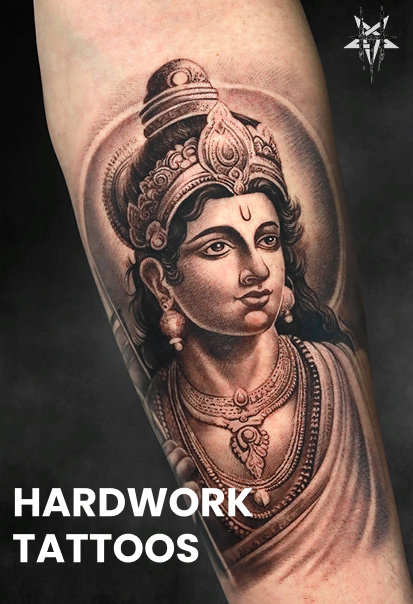
Religious Tattoos Capture Faith, Devotion, and the Spirit of Personal Belief
Religious tattoos carry meaning that goes far beyond design. They hold your faith, your story, and your connection to something greater than yourself. These tattoos express devotion, identity, and spiritual grounding in a way that stays with you every day. Whether you choose scripture, symbols, sacred icons, or multi-faith artwork, a religious tattoo becomes a personal reminder of what guides you and what you believe in. The style can be bold or soft, minimal or detailed, traditional or modern. Each choice reflects your connection to faith and the values you carry within you.
Book Your ReligiousTattoo Appointment at Hardwork Tattoos
What Are Religious Tattoos?
Religious tattoos represent spiritual identity through symbols, script, and sacred imagery. People choose them to express devotion, honor their beliefs, or carry guidance and comfort through life. The idea stays personal, even when inspiration comes from a shared faith tradition. Someone may choose a small symbol for privacy, while another selects a larger piece that covers the arm or back. The visual language varies across religions, yet every design aims to convey meaning.
Christian designs often use the Cross, Sacred Heart, or Dove. Each symbol reflects compassion, sacrifice, love, or peace. A dove completes the cross, while the Sacred Heart adds emotional intensity. People select Arabic calligraphy, verses, or geometric art for Islamic tattoos, where flowing lines create beauty without figurative forms. Hindu tattoos favor Om, Trishul, or elements connected to Shiva. Om appears alone or merges with mandalas, while the Trishul expresses strength and awakening. Buddhist designs use the Buddha, Bodhi leaf, or mandalas. These motifs suggest mindfulness and inner balance. Sikh tattoos highlight the Khanda, showing courage, loyalty, and faith. Jewish tattoos use the Star of David or Hebrew script, where the shape conveys identity in a quiet and dignified way. All of these symbols offer a path toward meaning, self-definition, or remembrance.
People notice the difference between single-religion and all-religion tattoos when they explore designs. The first group focuses on one belief, while the second blends many to show unity. Both types stay valid, yet motivations differ. A single-religion tattoo follows lineage, while a multi-faith tattoo celebrates harmony. The design journey becomes thoughtful when someone considers the symbol’s origin, cultural weight, and personal story. A tattoo artist helps clarify these ideas, so faith, aesthetics, and respect stay aligned. Religious tattoos speak through ink, yet they remain rooted in belief, intention, and empathy toward tradition.
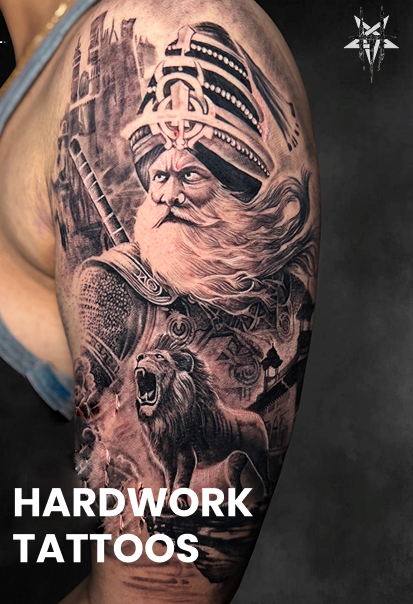
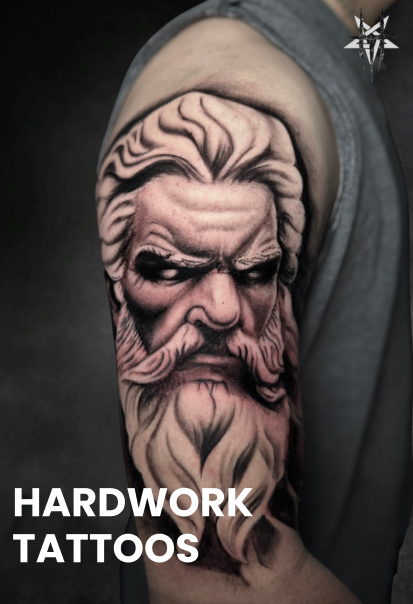
What Are All-Religion Tattoos?
All-religion tattoos show unity by combining elements from more than one faith. These tattoos hold meaning for people who value coexistence, peace, or shared humanity. A design may include the Cross, Om, Star, Crescent, or Khanda arranged in balance. The placement of each part influences how the message feels. A circle suggests equality, while a vertical arrangement suggests connection from earth to spirit. People choose these tattoos when they believe spirituality rises above differences.
The Coexist symbol demonstrates this idea clearly. Each letter transforms into a religious icon, so the word becomes a philosophy. A universal mandala shows the same concept, yet the style appears subtler. Geometric lines, sacred shapes, and fine line work produce harmony between forms. A simple version suits the wrist, and a complex sleeve suits the arm. Someone may add color for warmth or remain in black for calm clarity.
Ethical and cultural considerations matter before finalizing such tattoos. Many traditions treat symbols as sacred, so research helps prevent misuse. Certain scriptures or figures should not appear on feet or legs in some cultures. People protect meaning when they ask questions, respect boundaries, and avoid caricature. A conversation with an artist trained in religious themes reduces misunderstandings. All-religion tattoos work best when intention, placement, and cultural awareness meet. When those elements align, the design expresses acceptance in a gentle yet powerful way.
Best Religious Tattoo Ideas
The best religious tattoo ideas match personality, belief, and style. Some choose something small because they want intimacy, while others prefer a bold sleeve. A small cross or Om on the wrist stays discreet and elegant. A larger piece on the back or chest shows depth through shading, script, or architectural shapes. Tattoo artists often suggest building layers: a central symbol surrounded by leaves, flames, or sunrays. These additions enrich the main idea without overwhelming it.
Minimalist faith tattoos stay popular. Clean lines, tiny shapes, and single words create quiet beauty. Someone may wear “Faith” near the collarbone or “Hope” near the ribs. Black ink looks timeless, yet watercolor touches add softness. When realism enters, portraits of saints or deities become emotional reminders. Sleeves combine scripture, roses, halos, or sacred animals. Placement affects flow, so shoulders and forearms give enough room for elements to breathe.
Symbolic religious tattoos bring creativity. A cross merges with wings, a Trishul merges with mountains, or an Om surrounds the moon. Each idea shows faith, yet the style remains flexible. Trends show rising interest in mandalas, geometric halos, and line-based art. These patterns express calm while celebrating symmetry. Someone may add shading, yet the central symbol still leads. The best religious tattoos speak clearly, show respect, and feel personal from concept to aftercare.
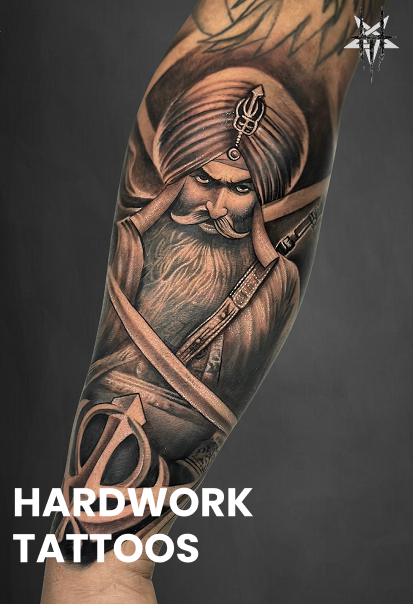
Faith-Inspired Tattoos
Faith-inspired tattoos show belief without pointing to a specific religion. People choose them when they want strength, guidance, or positivity without linking to one tradition. Simple words like “Faith,” “Believe,” or “Hope” appear on wrists, ankles, ribs, or collarbones. Thin letters produce elegance, while bold letters feel confident. Each word stands alone, yet people often add symbols for depth.
Infinity loops display eternal trust. When a loop intersects with a cross or heart, the design expresses love that endures. Feathers suggest lightness, while an anchor suggests grounded spirit. Someone adds birds to show freedom or a path toward healing. The feeling comes through details: curves, spacing, and direction. A tattoo artist keeps the lines smooth so the final shape reads clearly from any angle.
People choose faith tattoos for emotional reasons. Some mark recovery, others mark gratitude. Couples, friends, or family may share identical pieces. Each person carries the same mark, yet each meaning remains personal. Style flexibility allows watercolor, fine line, or blackwork. These tattoos become lifelong reminders of inner strength. Faith-inspired tattoos carry comfort when life changes, and they continue to speak quietly through every season.
Faith Tattoos for Couples
Couples choose faith tattoos to celebrate connection through shared spirituality. Matching symbols or phrases create unity when life feels uncertain. Small crosses on opposite wrists look subtle yet sincere. A shared verse completes when both arms join. The idea of two pieces forming a whole remains popular because the symbolism mirrors the relationship itself. A puzzle motif shows this concept clearly.
Yin-Yang variations help couples express balance. The circle divides into two shapes, yet both remain needed. When faith details appear inside the shapes, the design becomes more meaningful. People place these tattoos on forearms, ankles, or shoulders. The size stays flexible. Some choose tiny line tattoos, while others prefer detailed art with shading. The location depends on how public or private the couple wants the message to be.
Emotional and spiritual significance drives the choice. A tattoo may mark marriage, recovery, long-distance love, or shared beliefs. The idea grows through discussion, sketching, and revision. Couples often decide on symbols, quotes, or shapes that suit their bond. Minimal lines deliver quiet elegance, while elaborate sleeves create drama. Every decision supports the same outcome: a design that reflects unity through faith.
When Is Cultural Sensitivity Important for Religious Tattoos?
Cultural sensitivity protects meaning when someone selects a religious tattoo. Certain faiths treat scripture as sacred text, so careful placement matters. Some designs should not appear on feet or lower legs. People avoid using holy names casually. Artists encourage research, especially when symbols come from another tradition. The intention behind the tattoo should remain respectful.
Some religions discourage or prohibit tattoos. Individuals check teachings before choosing ink. They avoid conflict by speaking with elders, priests, or scholars when uncertain. Designs stay appropriate when boundaries remain acknowledged. This process reduces misunderstanding and keeps the tattoo connected to genuine respect. The image stays beautiful on skin, yet its roots stay honored.
How Does Tattoo Placement Affect Symbolism in Religious Tattoos?
Tattoo placement influences visibility, symbolism, and comfort. The wrist feels intimate, the forearm feels expressive, and the chest feels powerful. People select placement based on meaning and lifestyle. Someone who wants privacy chooses ribs, hips, or back. Someone who wants public expression chooses arms or collarbones. The skin moves and stretches, so an artist plans the design accordingly.
Spiritual tattoos often sit near the heart or spine. These areas hold emotional weight. Sleeves allow narrative flow, while ankles allow simplicity. Placement helps protect sacred elements. A verse looks clear when aligned with bone, and a mandala looks balanced when centered. Aftercare keeps edges sharp. Moisturizing, avoiding sunlight, and following instructions preserve lines and details.
What Style Variations Work Best for Religious and Spiritual Tattoos?
Style choices shape how the tattoo feels. Line art looks clean and minimal. Geometric patterns feel structured. Mandalas feel meditative. Blackwork creates contrast and strength, especially for crosses, Khanda, or Trishul designs. Fine needlework captures detail in feathers, wings, or script. Watercolor introduces softness, yet the symbol stays readable.
People combine styles for originality. Someone may place a mandala behind a cross or add a halo around Om. The interaction between styles creates rhythm. Every stroke matters when the tattoo has spiritual meaning. Artists balance space, lines, and shading. The best style feels natural on the chosen body area. Artistic skill preserves clarity through time.
How Should Someone Care for a Religious or Faith Tattoo After Getting It?
Aftercare protects spiritual tattoos from fading or distortion. The first weeks matter most. Clean skin, gentle washing, and moisturizer keep surfaces smooth. Avoiding sun exposure prevents discoloration. Avoiding friction prevents peeling. The tattoo heals gradually, and patience ensures a clean finish.
Long-term care keeps the meaning alive. Reapplication of sunscreen preserves fine lines. Touch-ups maintain sharp text or small details. People treat the tattoo with the same respect they showed while choosing it. The ink becomes part of the body, so care becomes habit. When someone protects their design, the symbol continues to inspire through time.
FAQs
Is it disrespectful to get a religious tattoo?
A religious tattoo stays respectful when intention, placement, and cultural knowledge stay aligned. People avoid disrespect when they research sacred symbols, consult practitioners, and avoid positions on feet or legs if a belief system treats the symbol as holy. Artists encourage thoughtful decisions because intention carries meaning as much as the design itself.
What religion does not allow tattoos?
Certain branches of Islam, Judaism, and Christianity discourage tattoos, while some groups within the same religion accept them. Individuals follow guidance from their community if they practice a tradition with strict rules. Personal conviction, local teachings, and family influence shape the final choice.
Can someone mix symbols from different religions in one tattoo?
Mixed symbols work well when the design honors unity and remains culturally aware. People create “all-religion” tattoos that show coexistence, peace, or shared humanity. The idea remains sensitive if the wearer respects origins, avoids mockery, and seeks advice from artists who understand the symbolism.
What are the most meaningful religious tattoo symbols?
Crosses, Om, Mandalas, Crescents, Khanda, and the Star of David appear most often because each symbol carries identity, devotion, and personal story. Designs feel meaningful when someone connects the image to lived experience. People choose script, animals, or geometric elements to enhance depth.
What is the best placement for a religious tattoo?
Placement becomes best when it matches meaning and lifestyle. Forearms, collarbones, and upper backs give visibility, while ribs and hips offer privacy. Spiritual designs often sit near the heart or spine because those areas feel symbolic. Lines stay sharp longer when sun exposure stays limited.
Are scripture tattoos acceptable in all faiths?
Scripture tattoos remain acceptable in some faiths and unacceptable in others. Acceptance varies between families, communities, and regions. Someone clarifies rules by speaking with elders or religious leaders before getting ink. Respect for sacred text guides placement and size.
Do religious tattoos need color?
Color stays optional because meaning comes from the symbol rather than the palette. Black ink appears timeless, while watercolor, gold, or red add warmth. People choose color if they want emotion or contrast. The image remains spiritual either way.
Will a religious tattoo fade faster?
A religious tattoo fades at the same rate as other designs unless sunlight or friction affects the area. Sunscreen, moisturizing, and touch-ups keep lines strong. The symbolic value remains intact when aftercare continues.
Can someone get a religious tattoo even without following that religion?
A person may choose a symbol from another religion when they appreciate its philosophy and treat it with respect. Sensitivity matters, especially when symbols hold sacred status. Some people learn the meaning first so they avoid misinterpretation or offense.