

A snake tattoo carries clear links to rebirth, transformation, healing, wisdom, protection and power. These ideas originate from mythology, cultural symbolism, and the spiritual role of the serpent in both ancient and modern stories. The symbol also connects to fertility, sensuality and duality, which gives it a rich emotional depth. Different traditions help shape this meaning. Greek mythology ties the snake to medicine and recovery through the Rod of Asclepius. Eastern beliefs see it as a sign of fertility, fortune and creative life force. Biblical stories present the serpent as a figure of temptation, sin and danger. This mix creates a symbol that can move between positive and negative tones while still feeling grounded in history.
Tattoo designs add new layers to these themes. A snake with flowers creates a softer expression tied to life or renewal. A snake with a dagger forms a sharper meaning linked to conflict or inner strength. A butterfly beside the snake brings ideas of personal change. A skull next to the snake suggests danger or the courage to face darker chapters. Placement also shifts the message, as the arm, chest, back or hand each adds its own emotional weight. The tattoo reflects identity, resilience and the long cultural journey of the serpent across the world.
What does a snake tattoo mean?
A snake tattoo mainly speaks to deep change and a fresh start. It holds a strong link to transformation and rebirth because the snake sheds its skin. The symbol carries extra layers shaped by culture, myth and spiritual belief, so its meaning can shift from healing to danger or from protection to wisdom. The interpretation of a snake tattoo across different cultures and beliefs is listed below.
-
Transformation and Rebirth- Snakes shed their skin, so they naturally symbolise renewal and personal growth. This tattoo is used when people want to mark a new chapter.
-
Power and Strength- Ancient cultures linked snakes to authority and life force. In Hindu tradition, the coiled serpent represents kundalini energy and deep inner power.
-
Wisdom and Knowledge- Snakes often appear in myths as guardians of secrets or hidden knowledge. Many see them as a symbol of sharp insight and awareness.
-
Healing and Fertility- In some traditions, snakes represent healing and the cycle of life. The staff of Asclepius in medicine also comes from this idea. According to the Istanbul Medical Journal, the interpretation comes from the ancient medical symbol where a snake wraps around a staff. People saw the snake shed its skin and linked it with rebirth and long life. The World Health Organisation, the U.S. Army Medical Corps, and global healthcare institutions use the Asclepius symbol specifically.
-
Protection- A snake’s venom and alert nature make it a symbol of protection. Some cultures believe it can ward off negativity or harm.
-
Temptation and Danger- Western traditions, especially Christianity, view snakes as symbols of temptation and caution. This implication is rooted in the story of Adam and Eve.
-
Cultural Interpretations- In Hinduism, snakes are symbols of spirituality and divine power, and they are closely linked to Lord Shiva. In Japanese culture, a snake is good fortune, protection and transformation. West African traditions view snakes as signs of spirituality and cosmic balance. In Christianity, the snake often stands for temptation and betrayal, but in some stories it can also symbolise resurrection.
What does the snake and rose tattoo symbolise?
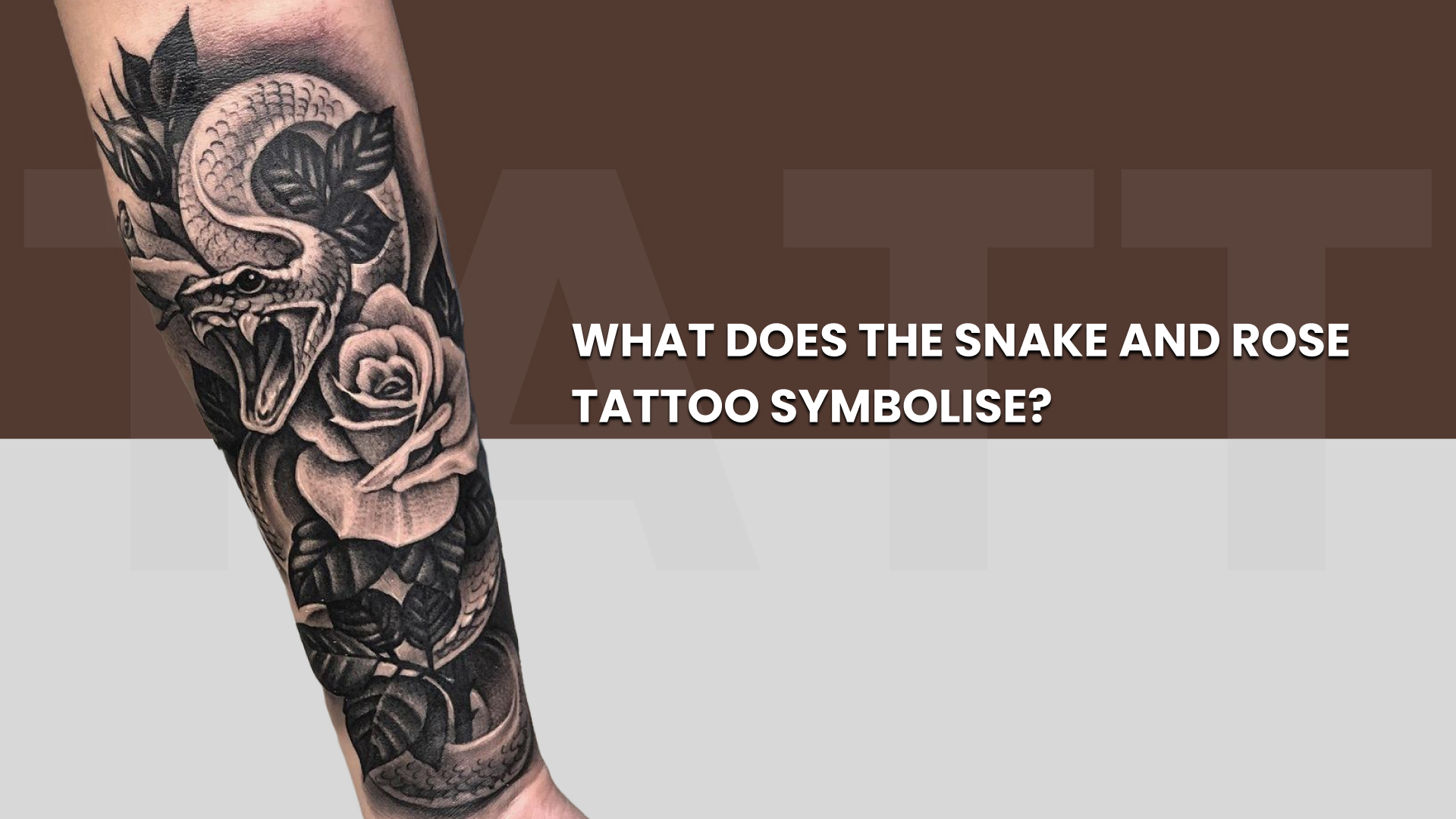
A snake and rose tattoo represents a powerful blend of beauty and danger. It blends purity with temptation and creates a message built on duality. The rose brings love, passion and gentle strength while the snake adds wisdom, instinct and a darker edge. Together they form a story about the balance between light and shadow. The tattoo reflects emotional depth and the tension between innocence and desire. It also carries themes of resilience, as the rose holds beauty through its thorns and the snake carries sharp awareness. This contrast makes the design feel intense yet elegant. It speaks to growth shaped by both passion and caution. The meaning often settles on the idea of holding something beautiful while knowing it can also carry risk.
What does a two-headed snake tattoo mean?
A two-headed snake tattoo shows the clear idea of duality. It brings two forces together in one body and creates a symbol tied to balance, tension and deep insight. Each head faces its own direction, so the design carries a sense of split identity or two viewpoints that shape one path. The linked heads also hint at wisdom and awareness, as if the creature sees more than a normal serpent. Some cultures associate this form with the cycle of life and death, where creation and destruction coexist.
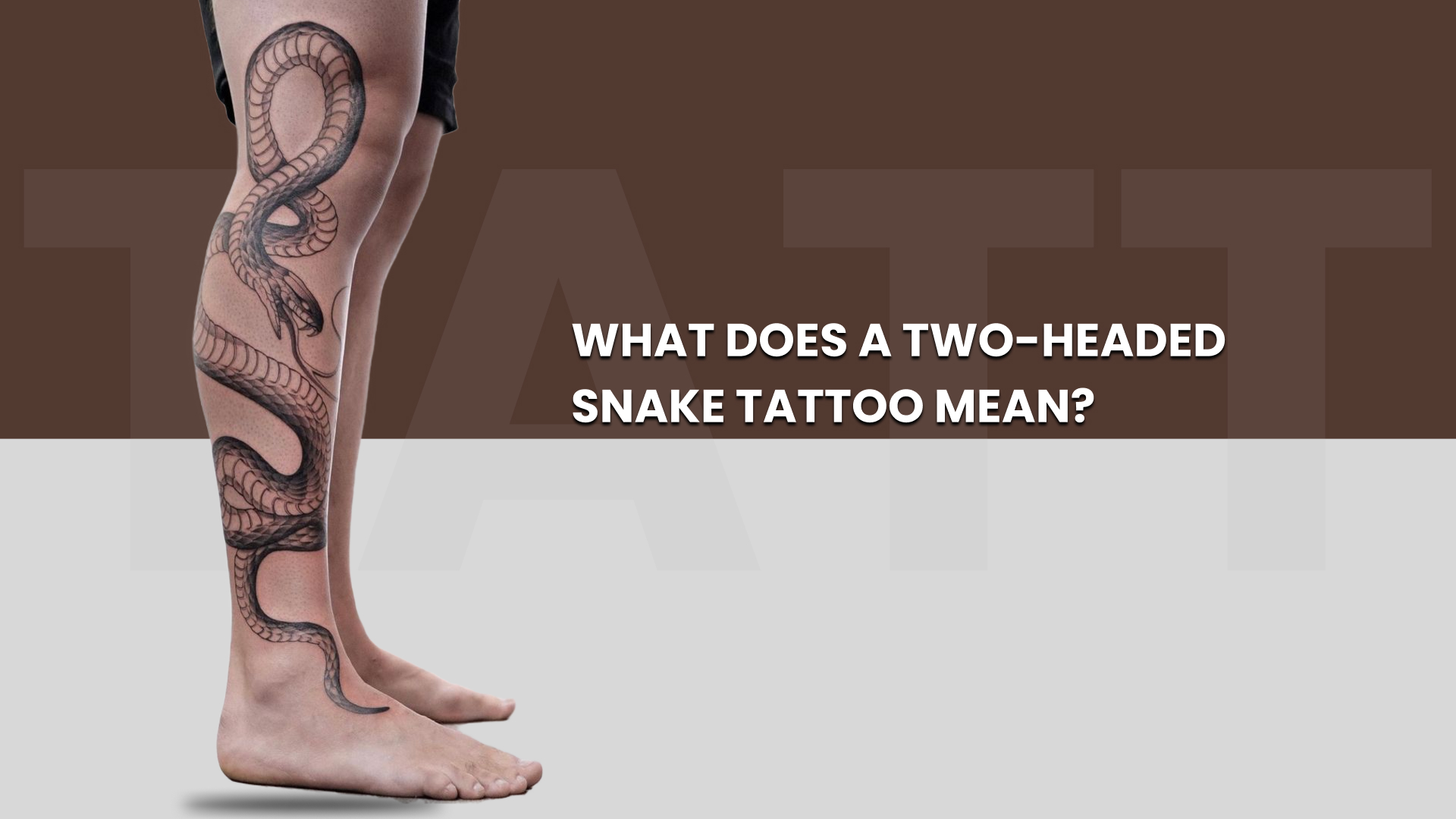
Ancient stories place double-headed serpents in roles tied to protection, sacred power and the crossing of spiritual worlds. Greek tradition links twin serpents with peace and guidance through the Caduceus. Mesoamerican art ties the double-headed form to resurrection and ritual strength. Modern tattoo culture adds ideas of bold character, inner conflict and the drive to hold control over opposite sides of the self. This gives the tattoo a strong emotional edge and makes it feel both mystical and intense.
What is the meaning of a Snake Tattoo on a Finger?
A snake tattoo on the finger shows a clear link to renewal and personal change. It holds the idea of transformation and healing while adding a deeper layer tied to wisdom and self-awareness. The small placement creates an intimate feel, so the symbol often becomes a quiet reminder of inner strength or a private milestone. The coiled shape around the finger adds a sense of protection and boundary-setting, as if the serpent guards the space it touches. Others see it as a sign of mystery, temptation or the balance between life and death. This is common in designs inspired by the ouroboros, which connotes a snake as a symbol of endless renewal, as per the British Broadcasting Company (BBC,2017) in The ancient symbol that spanned millennia.
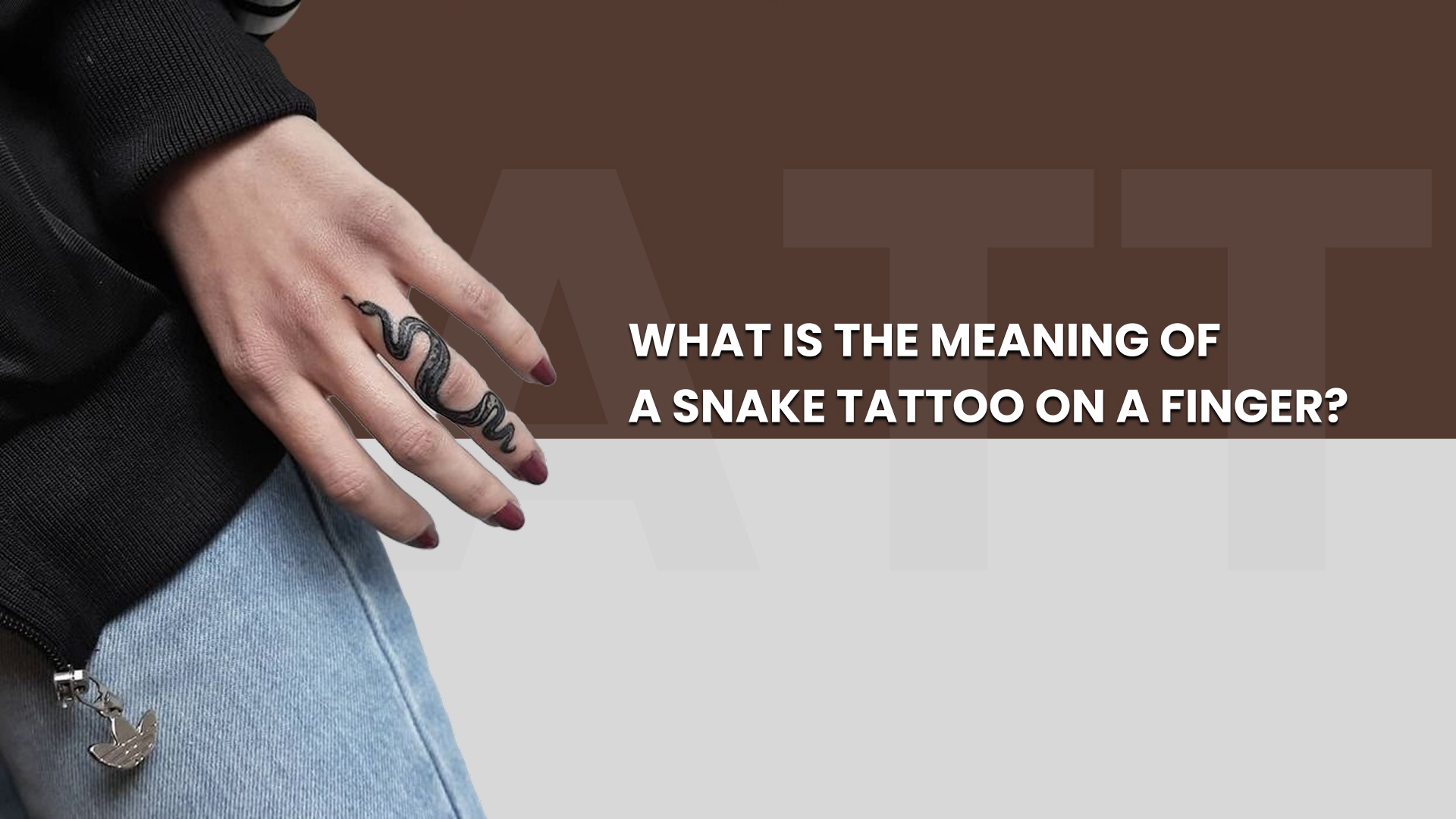
Some cultural views connect it to truth, fertility or good fortune, while spiritual themes link it to life cycles and subtle rebirth. The close visibility of a finger tattoo keeps the meaning active in daily life. Its shape can also bring a soft hint of sensuality due to the way the snake curves around the skin. This mix of renewal, protection and personal identity makes the finger placement feel grounded and expressive without being loud.
What does the Snake and Skull Tattoo Mean?
A snake and skull tattoo shows the clear idea of the life and death cycle. The skull brings the theme of mortality, while the snake adds renewal, movement and the push toward new beginnings. Together, they form a symbol that blends endings with rebirth. This mix creates a strong message about the shifts a person goes through and the strength gained from facing hard moments. The design also holds ties to wisdom, since the serpent carries ancient links to knowledge and hidden insight.
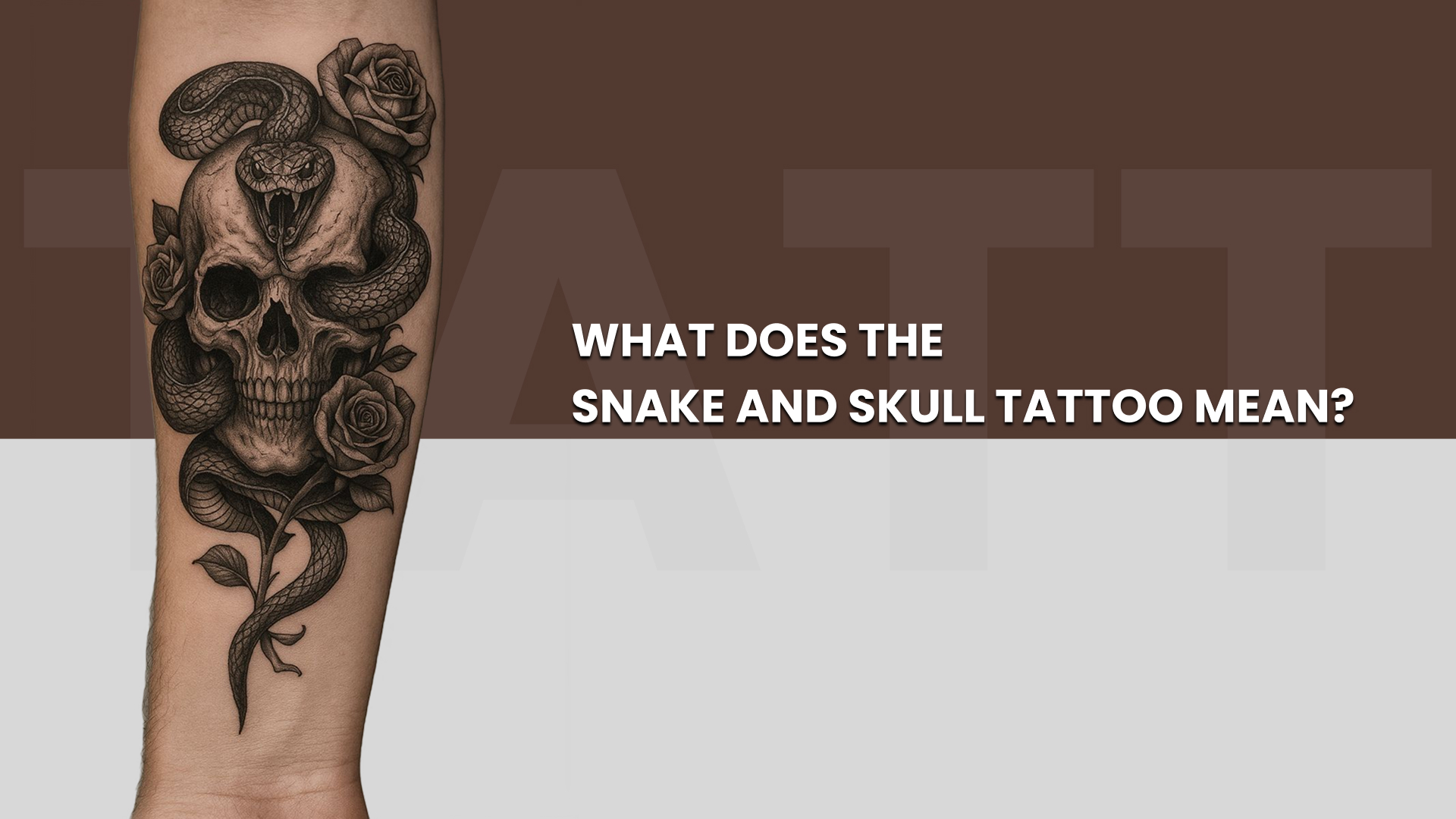
Some traditions see the snake as a protective force, so its presence near the skull can show the ability to confront danger and still move forward. The pairing also hints at the balance between chaos and order because both symbols hold power in different ways. Cultural interpretations place this design in stories tied to transformation, ritual strength and the passage of time. This gives the tattoo a deep emotional edge as it reflects survival, resilience and the lessons carried through personal struggle.
What does a Japanese Snake Tattoo symbolise?
A Japanese snake tattoo, or Hebi tattoo, shows a clear link to protection and good fortune. It carries a strong role in Japanese culture where the serpent acts as a guardian spirit tied to wisdom, strength and renewal. The Hebi is seen as a guide in Shinto stories, often viewed as a messenger for divine forces. This gives the tattoo a sacred tone, as if the snake watches over the wearer with quiet power.
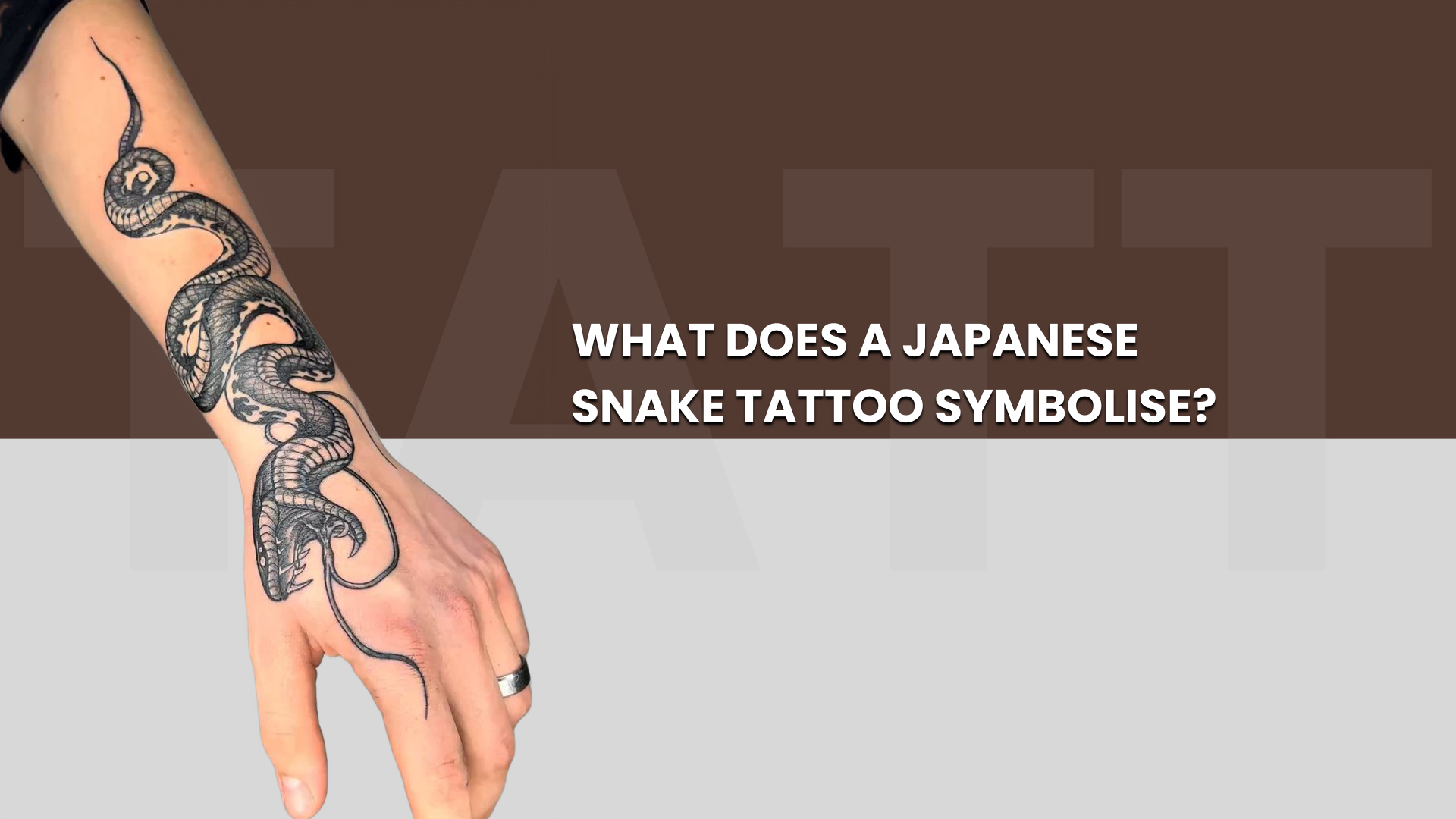
The symbol also holds themes of rebirth because the snake sheds its skin and moves into a new state. In Irezumi, this shift connects to personal transformation and inner stability. The tattoo flows with the body in traditional designs, so the meaning also depends on the placement and the direction the serpent faces. Flowers like peony or chrysanthemum are often paired with the Hebi to show harmony, elegance or prosperity. When placed with a Hannya mask, the design reflects emotional struggle or the path toward clarity.
Colour adds more depth. A black snake shows strength and mystery. A red snake suggests intense energy and protection. A white snake holds sacred value in Japanese belief. A blue or green tone connects to renewal and balance. These layers make the Japanese snake tattoo rich, spiritual and full of cultural identity. A Japanese snake tattoo can also express a spiritual connection. In some beliefs, the snake is a messenger of deities and is worshipped in temples. The white snakes (shirohebi) are specifically honoured as messengers of Benzaiten, the deity of wealth and wisdom, as per Nippon (2025) in Serpent Tales: Snakes in Japanese Mythology and Folklore. It may appear in designs with masks or flowers to show inner struggle or strength. This gives the tattoo a deeper emotional meaning.
What does a realistic Snake Tattoo Mean?
A realistic snake tattoo shows a strong link to transformation and deep inner power. The lifelike detail gives the serpent a sharper presence, so the meaning feels intense and grounded. The design often carries the idea of rebirth because the snake naturally connects to renewal through its shedding cycle. It also brings wisdom and instinct to the surface, especially when the style highlights the eyes, scales or movement.
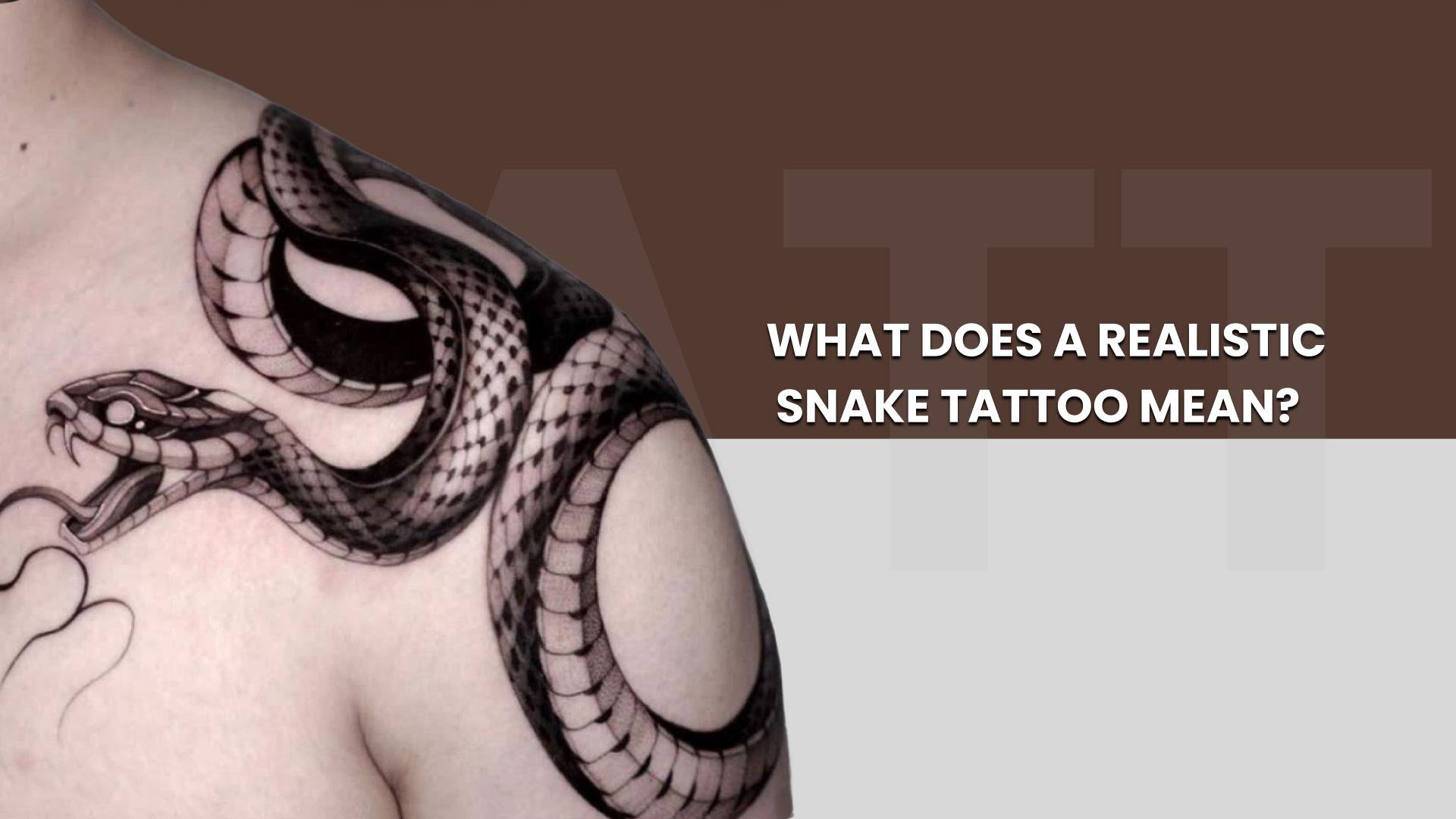
Cultural layers add more depth as realistic snakes echo themes found in Greek healing symbols, Egyptian protection stories and Mesoamerican legends tied to creation and the elements. The realistic form can also hint at danger or temptation when paired with motifs like an apple or a blade. Some designs lean toward strength and survival when the serpent appears coiled or ready to strike. Others show balance and harmony when the snake moves with flowers or softer elements. The polished, high-detail style lifts the emotional weight of the tattoo, making it feel personal and symbolic instead of decorative.
1. What does the direction of a snake tattoo mean?
The direction shows the path of your intention. An upward snake points toward growth or rising energy. A downward snake leans toward grounding or a return to inner clarity. The direction works like a quiet guide to the story behind the tattoo.
2. Does the colour of a snake tattoo change its meaning?
The colour of a snake tattoo does shift the message. Dark shades bring a strong and mysterious tone. Bright colours add vitality or a sense of movement. Each palette creates its own emotional layer around the snake.
3. What does an ouroboros snake tattoo say about personal growth?
The ouroboros snake tattoo shows a cycle of ongoing renewal. The looping shape reflects steady change and a calm return to the self. Growth becomes continuous rather than a single moment.
4. Is a snake tattoo viewed as a symbol of luck in modern culture?
A snake tattoo can be seen as a sign of luck today. Some beliefs link the snake to good fortune and protection. This idea continues in modern designs where the tattoo suggests positive momentum.
5. What does a coiled snake tattoo imply?
A coiled snake signals contained strength. The pose holds tension and focus without aggression. The form suggests readiness and quiet control.
6. What does a snake wrapped around an object symbolise?
A wrapped snake highlights a strong link between the serpent and the object. The combination blends both meanings into a single idea. The result feels layered and expressive.
7. How does a snake tattoo change in different mythologies?
Mythology changes the tone of the snake. Some stories frame the serpent as a symbol of renewal, while others portray it as cosmic energy or spiritual power. The cultural story shapes the final meaning.
8. Do snake tattoos have a spiritual meaning in contemporary symbolism?
Snake tattoos can hold a spiritual meaning today. The design often reflects inner strength or a deeper awareness of life’s cycles. The meaning leans toward personal insight.
9. What does a snake eye or snake head tattoo express?
A snake eye or head expresses sharp focus. The design captures attention and reflects a clear perception. The look carries a sense of alertness.
10. Can a snake tattoo reflect inner conflict or emotional struggle?
A snake tattoo can show internal tension. The symbol mirrors two sides pulling in different directions. The meaning can express emotional contrast or a personal turning point.