

Tattooing over active acne is unsafe, but healed skin can accept ink if the surface is calm and stable. Tattoo needles need smooth skin, and acne bumps interrupt this. Inflamed pores hold bacteria, so the needle can push that deeper and raise the chance of infection. This also stops the ink from settling evenly, which leads to patchy colour or blurred lines. Artists avoid working on raised or painful spots for the same reason. Once acne heals, flat scars can be tattooed, but the natural texture will remain because ink cannot change the surface.
Skin with acne needs extra support during healing. Fresh tattoos react fast to sweat, friction, and heavy ointments. These trap moisture and create small bumps that feel sore on open skin. Gentle cleansing and light non-comedogenic products keep pores clear while the tattoo recovers. Once the tattoo heals, normal acne treatments like salicylic acid or benzoyl peroxide become safe. These do not harm settled ink.
Skin lesions behave differently. Inflamed patches, moles, or suspicious growths must stay untouched because tattoo trauma can hide signs a doctor needs to see. Healed marks or old scars are safer when the skin is even. Clear and calm skin always gives better lines and smoother shading. Waiting for breakouts to settle protects both the tattoo and the skin’s barrier.
Can You Tattoo Over Active Acne?
No, you cannot tattoo over active acne. Acne is a common skin condition where pores get clogged with oil, dead skin, and bacteria. This leads to whiteheads, blackheads, and inflamed bumps. It often appears on the face, back, chest, and shoulders. Acne can range from mild clogged pores to deeper cysts that feel painful. It is driven by excess oil production, hormonal changes, and skin irritation.
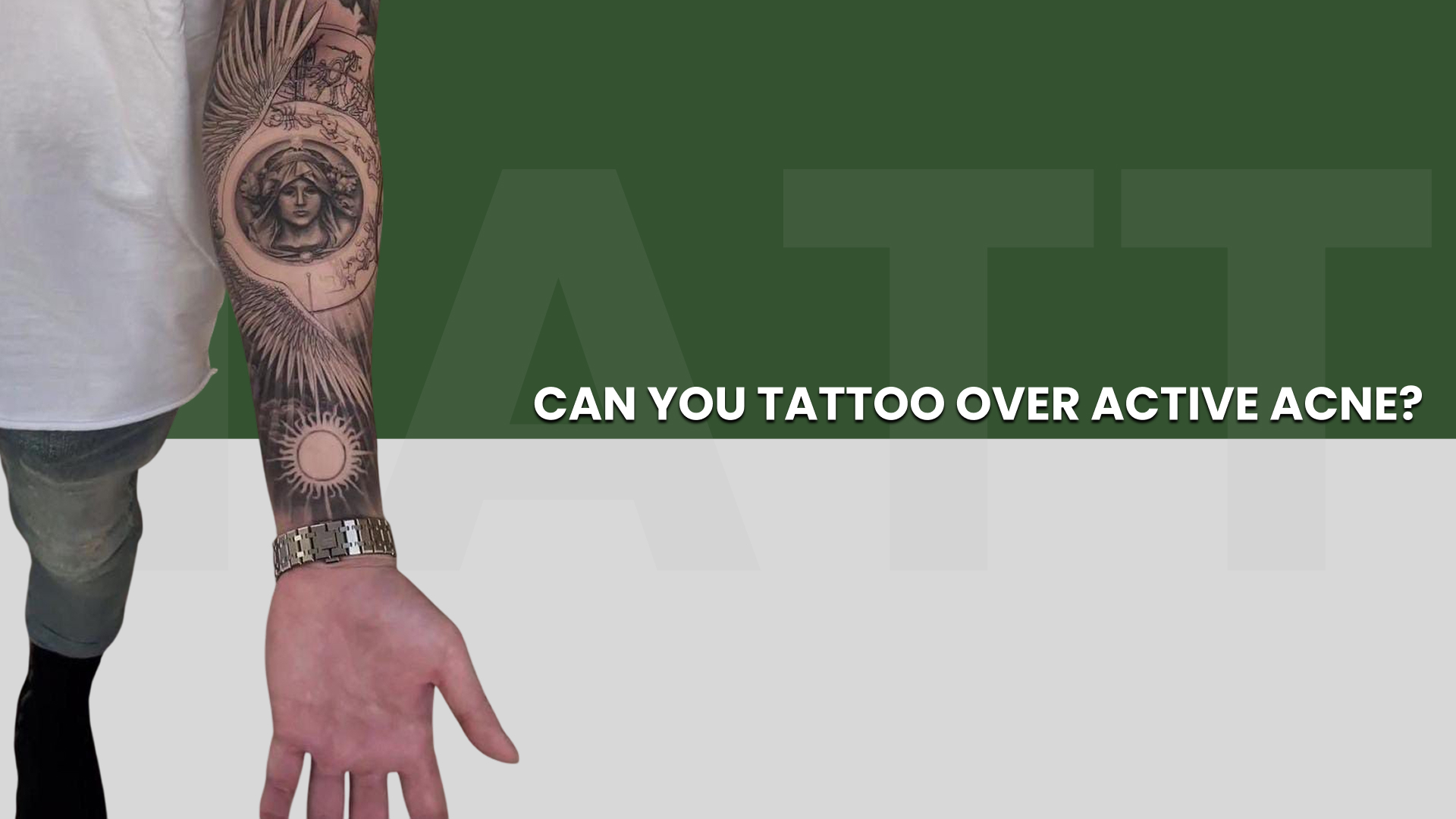
The skin is inflamed and uneven, so the needle cannot place the ink the right way. It also raises the chance of infection because acne has bacteria that can spread when the skin is opened during the tattoo process. Most artists avoid working on breakouts because bumps disrupt lines and make the design look uneven once it heals.
Tattooing over healed acne scars is a different situation. Stable scars do not have active inflammation, so ink can settle better. The texture stays the same, but the design can still look clear if the surface is flat enough. Some artists check the area first to see how the scar tissue reacts to pressure and colour.
Acne-prone skin often reacts faster to tattoo trauma. The area can get irritated or clogged if the wrong aftercare products are used. Non-comedogenic care helps keep pores clean while the tattoo heals. Fresh ink needs calm skin so the barrier can close without flare-ups.
A breakout can also appear on a healed tattoo, usually from oil buildup or friction. It does not change the ink once the tattoo is fully settled. Clear skin gives the safest outcome, so waiting until inflammation goes down protects both the artwork and your skin.
Can You Get a Tattoo Over Skin Lesions?
No, tattooing over skin lesions is not safe. The area is already compromised, and the needle can trigger irritation, infection, or hidden changes that doctors need to see. Lesions like moles, inflamed patches, suspicious spots, or chronic skin conditions react poorly to tattoo trauma. Ink can mask early signs of serious disease, so artists avoid these areas to protect their skin and to keep medical checks clear.
Every type of lesion behaves differently. Pigmented growths like moles should not be tattooed because they need to stay visible for monitoring. Inflamed conditions such as psoriasis, eczema, lichen planus, or vitiligo can flare when exposed to tattoo trauma. This reaction is known as the Koebner response and can create new lesions along the tattoo lines. Open or painful lesions, including hidradenitis suppurativa tunnels or sores, carry a higher infection risk and slow healing.
Healed scars and stretch marks sit in a different category. Stable tissue can sometimes be tattooed if the texture is even enough and the skin has fully settled. Artists usually assess the area first because scar tissue absorbs ink in its own way.
Clear and stable skin supports good healing and clean results. When a lesion needs evaluation, a dermatologist can guide you on when the area is safe to tattoo or if it should be avoided completely.
Can You Get a Back Tattoo with Acne?
No, you cannot get a back tattoo when the skin has active acne because raised or inflamed bumps make the area unsafe for tattooing. The needle cannot move smoothly across uneven skin, so the ink does not settle well and the risk of irritation or infection increases.

Back acne also reacts strongly to friction and sweat, which makes fresh tattoo healing harder. Pustules or inflamed spots can burst during the session and push bacteria deeper into the skin. This affects the artwork and slows down recovery. Tattoo artists avoid these areas because the lines can blow out and the colour becomes patchy when the skin surface is not flat.
A back tattoo is possible once the acne settles. Flat scars or healed marks usually accept ink without trouble because the skin is stable. The artist can work with the texture and place the design in a way that suits the area. You may need a short prep phase to calm the skin. Gentle cleansing, reduced sweat, and acne care done earlier in the week help create a clean surface before your appointment. A short check with the artist is helpful because they can see if the breakout has reduced enough for safe work.
Cystic acne or painful bumps on the back need extra time. These spots flare easily and can reopen when tattooed, so dermatology support is useful before scheduling. Clear skin gives the best chance for even lines and smooth shading. A short delay often protects both your skin and the final tattoo. If you want, I can now write the next section using the same style and tone.
Can You Tattoo Over Small Pimples?
No, you should not tattoo over small pimples. Even a tiny bump is still active acne and holds bacteria that can spread when the needle breaks the surface. The raised texture stops ink from settling the right way, and this can leave small dark dots or uneven patches in the design. Most artists avoid these areas because a clean tattoo needs smooth, calm skin.
A pimple can rupture during the session and irritate the skin around it. This slows healing and can trigger more breakouts in acne-prone spots. The skin reacts to trauma fast, so a fresh tattoo placed over a pimple often becomes sore or swollen. Even if the blemish is small, it is still inflamed, and that inflammation raises the chance of infection.
Healed spots or flat scars behave differently. Once the skin is stable, the ink can sit more evenly, and the design looks sharper. Active lesions cannot offer the same result. Clear skin gives the artist a better surface to work on and helps the tattoo heal without interruptions.
Waiting until the area settles protects both the artwork and your skin barrier. A smooth surface keeps the lines crisp and avoids tiny flaws that come from tattooing over bumps.
Can You Cover Up Back Acne with a Tattoo?
Yes, you can cover back acne with a tattoo only if the skin is healed and free from active breakouts. A tattoo needs a smooth, calm surface so the ink can sit evenly. When the back has fresh pimples or irritated spots, the needle can push bacteria deeper, and this can damage the design or slow healing. Tattoo artists avoid working over raised or inflamed skin because the texture changes how the ink settles.
Back acne scars are different. Once the skin is stable, the area can take ink we, and a cover-up can blend the scars into a larger design. The back is a wide canvas, and styles like blackwork, geometric work, or soft shading help camouflage uneven tone. Scar tissue absorbs ink at its own pace, so artists usually adjust their technique to keep the finish smooth.
Temporary cover-ups also exist for those who want to hide back acne for a short time. Waterproof concealers or cover-up patches can soften the look of dark marks without irritating the skin. These options are gentle and useful when the skin is not ready for a tattoo.
A clear back gives the best results. When the skin is calm, both permanent tattoos and temporary products sit better and keep their colour and shape without interruption.
Can You Get Acne on a Tattoo?
Yes, you can get acne on a tattoo. A tattooed area is still regular skin, so pores can clog and create small bumps during healing or even long after the tattoo settles. Acne forms when oil, sweat, or bacteria get trapped, and this can happen on new ink if the skin reacts to moisture, friction, or a heavy aftercare product.
Fresh tattoos are more sensitive because the surface is open and is trying to rebuild its barrier. When the area stays too moist or covered for too long, tiny pimples can appear. This can also happen with occlusive wraps or thick balms that block airflow. Some bumps look like acne, while others are mild folliculitis from irritated hair follicles, which is common on arms, legs, and backs.
A healed tattoo can also break out if pores clog from sweat, tight clothes, or excess oil. These spots sit on top of the ink and do not change the design unless they are picked or squeezed. Picking can remove small amounts of pigment, so calm care keeps the tattoo safe. Non-comedogenic products help reduce pore blockage during healing. Gentle cleansing also prevents trapped bacteria. When the skin stays balanced, the tattoo keeps its clarity, and the bumps settle without damaging the artwork.
Can I Get a Small Tattoo with Cystic Acne?
No, you should not get a small tattoo over cystic acne. Cystic acne sits deep under the skin and is inflamed, tender, and filled with bacteria. The needle can break the cyst open and push the bacteria into deeper layers, which raises the chance of infection. The swelling also makes the surface uneven, so the ink cannot sit cleanly. This often leads to blurred lines or patchy colour once the tattoo heals.
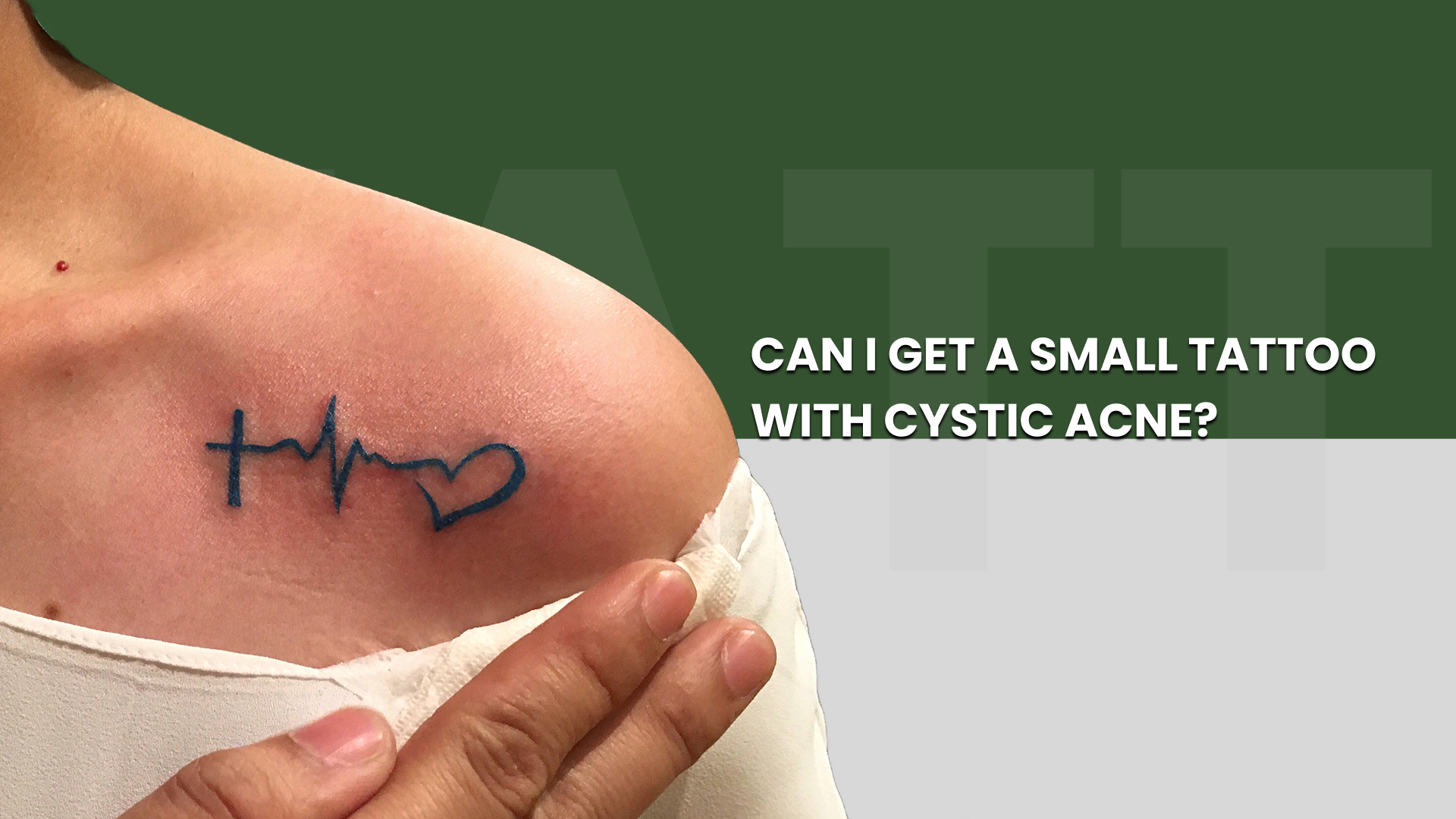
Cystic bumps are more reactive than regular pimples. They stay inflamed longer and respond poorly to trauma, so tattooing over them slows healing and increases soreness. Artists usually avoid these areas because the design will not settle well on swollen skin. Even a small tattoo needs a calm surface for sharp lines and smooth shading.
Tattooing over healed marks or old scars is usually possible. Scar tissue behaves differently but does not carry active inflammation. Once the area is fully settled, the skin can accept ink more evenly, and the result stays stable. Clear skin protects the tattoo and your barrier. Waiting until cysts disappear gives the artist a better foundation and helps the tattoo heal without complications. This keeps the design crisp and avoids issues linked to tattooing over inflamed skin.
How Do You Get a Tattoo in a Place with Acne?
You cannot get a tattoo on a place with active acne. Inflamed skin cannot handle the needle because the surface is uneven and filled with bacteria. This raises the chance of infection, and it also stops the ink from settling the right way. Artists avoid working on bumps because the lines do not heal cleanly or stay sharp.
Tattooing becomes possible once the skin is calm. Healed marks and older scars behave differently because they no longer carry inflammation. A stable surface lets the artist place the design with better control. The texture may still influence shading, but the tattoo holds much better compared to working over active breakouts.
If the spot is prone to flare-ups, preparing the skin helps keep it stable. Gentle cleansing and non-comedogenic care lower the chance of clogged pores right before your appointment. This gives the surface a smoother feel and makes the session more comfortable.
Fresh tattoos need clear skin because breakouts during healing can irritate the area. Pimples on new ink can feel sore and may slow the healing process. Waiting until the acne settles protects your skin and gives the tattoo a cleaner, sharper finish that lasts.
How to Deal with Body Acne on a Tattoo?
Yes, you can manage body acne on a tattoo, but you must follow gentle care that protects the ink and keeps the skin calm.
Body acne forms when pores clog from sweat, friction, or heavy aftercare products, so the goal is to keep the skin clean and allow it to breathe while the tattoo heals.
Acne on a new tattoo needs a soft approach. Fresh ink is sensitive, so harsh acne treatments are not safe at this stage. A mild fragrance-free cleanser and a thin layer of non-comedogenic moisturiser help calm the area without clogging pores. Light washing removes sweat and oil that settle on the tattoo and reduces the chance of folliculitis. Loose clothing also helps because tight fabric can trap moisture and cause more bumps.
Acne on a healed tattoo needs a different plan. Once the skin fully closes, common acne products such as salicylic acid washes, benzoyl peroxide, or retinoids become safe. These help clear clogged pores on the back, chest, or shoulders without affecting healed ink. Spot treatments work well since the tattooed area is no longer an open wound. A cold compress is useful when bumps feel irritated or inflamed.
Sweat control makes a big difference. Body acne often appears after working out or wearing warm layers, so rinsing the tattoo gently after sweating keeps pores clear. Keeping hair and body products from dripping onto the tattoo also reduces flare-ups. Avoid picking any bumps because squeezing can distort lines and create scarring. A sudden rash, painful redness, or yellow fluid means it may not be acne. These signs point to infection or an allergic reaction, and they need quick medical attention. A dermatologist can check if the bumps are acne, folliculitis, or something else, and guide treatment if the breakout keeps returning.
What Is the Best Aftercare Routine for a Back Tattoo When You Have Dry and Acne-Prone Skin?
Yes, you can deal with body acne on a tattoo safely, but the approach depends on whether the tattoo is new or fully healed. Fresh ink needs gentle care because strong acne products can irritate open skin. Healed tattoos can handle more active ingredients, so treating breakouts becomes easier.
Body acne shows up on tattoos when pores get clogged by sweat, friction, or heavy balms. Tight clothes and occlusive products trap heat, and that creates small bumps that look similar to acne. These breakouts feel uncomfortable on healing skin because the area is already sensitive.
A new tattoo needs simple steps. Light cleansing keeps the pores clear without stripping the surface. A non-comedogenic moisturiser helps calm dryness without clogging follicles. Loose fabric also matters because air flow keeps sweat from sitting on the skin. Leaving the bumps alone protects the ink, since picking can disturb lines or create tiny scars.
Once the tattoo heals, the routine can shift. Salicylic acid and other gentle exfoliants can help keep pores clear on the body. These products improve texture without affecting the ink. Acne can still appear on older tattoos, but it rarely changes the design unless the skin becomes irritated from scratching or harsh treatment. If the bumps feel hot, ooze, or spread quickly, the issue may be more than acne. In that case, getting a professional opinion helps catch the infection early. When breakouts stay mild and the tattoo is stable, consistent care keeps both the skin and the artwork in good shape.
How to prevent tattoo acne?
Yes, tattoo acne can be prevented with clean skin, light moisture, and low friction while the tattoo heals. Breakouts happen when pores clog from sweat, tight fabric, or heavy ointments, so keeping the area clear and breathable protects the skin and the ink.
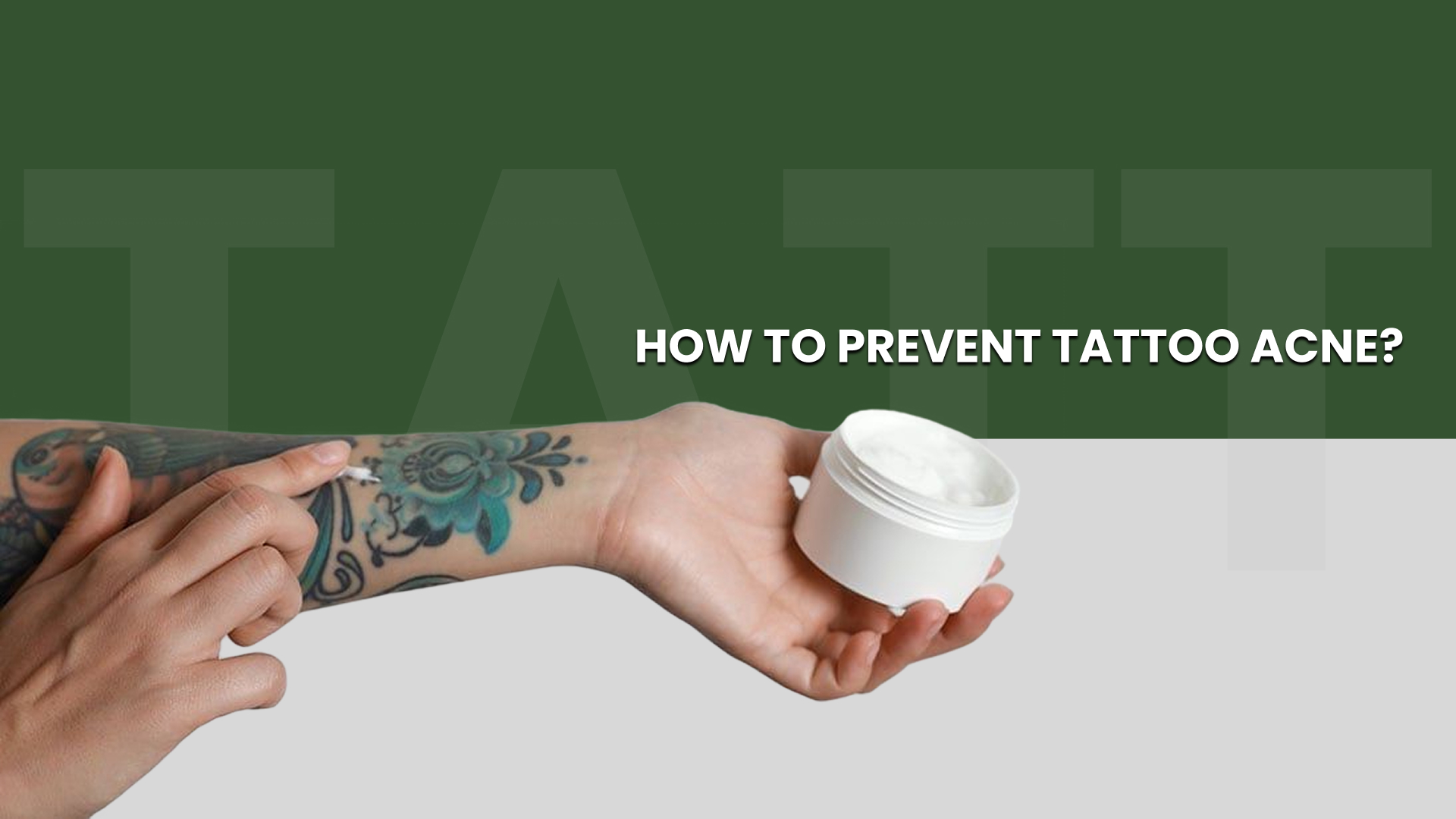
Fresh tattoos react quickly to trapped moisture. Sweat settles into open pores and creates small bumps, especially on the back, chest, and shoulders. Loose clothing keeps air flowing so the surface stays dry. Touching the tattoo less also lowers the chance of bacteria settling on the skin during the early days of healing.
Moisturising is still important, but the layer should stay thin. A non-comedogenic lotion gives soft hydration without blocking pores. Thick petroleum balms can trap heat and cause breakouts on acne-prone skin, so lighter products are a safer choice when the goal is to avoid clogged follicles.
Daily cleansing supports clear healing. A mild, fragrance-free wash removes residue without stripping the skin. Rinsing well and letting the area dry helps prevent irritation that can turn into acne. Sun exposure also triggers inflammation, so shielding the tattoo from strong light keeps the skin calmer during recovery.
Acne treatments are not suitable for a new tattoo. Ingredients like benzoyl peroxide or salicylic acid are safe only after the tattoo fully heals. Using them early can irritate the surface and fade parts of the design. When the tattoo settles, regular acne routines can resume without harming the artwork. Consistent, simple care keeps pores open and the tattoo smooth. With the right balance of cleanliness, hydration, and airflow, the skin stays clear and the tattoo heals with sharp lines and even colour.
What are the treatment options for tattoo acne?
Treatment Option
Yes, tattoo acne can be treated, but the method depends on whether the tattoo is new or fully healed. Fresh ink needs calm, gentle care, while a healed tattoo can handle stronger acne products without harming the design. New tattoos often react with small bumps because pores trap sweat or residue. These spots improve with simple steps. A mild wash keeps the surface clean, and a thin layer of a fragrance-free lotion eases dryness without clogging pores. A cool compress reduces swelling when the skin feels warm or irritated. Leaving the bumps untouched protects the ink because squeezing can damage fine lines or create small scars.
Healed tattoos can handle regular acne treatments. Salicylic acid clears pores and helps smooth the surface, and benzoyl peroxide can reduce acne-causing bacteria. These ingredients work well once the tattoo settles, but they should not touch a fresh tattoo. Retinoids also help refine texture later, and they do not disturb old ink.
Sometimes the bumps are not acne. Folliculitis or an allergic rash can appear and look similar. These issues may spread or feel painful, and they often need different care. When redness grows or the skin leaks fluid, a proper medical treatment like antibiotics or antifungal care might be needed. A dermatologist can confirm the cause if the irritation does not calm down. Soft routines work for most cases. With clean skin, light moisture, and careful handling, tattoo acne settles without harming the artwork, and the tattoo keeps its clarity as the skin recovers.
Can a tattoo artist work on skin that has active acne?
No, a tattoo artist cannot work on active acne. Raised or inflamed bumps make the surface unsafe because the needle moves across uneven skin. These spots hold bacteria that can spread when the skin opens. This leads to infection and uneven ink placement. Artists avoid these areas because the lines do not stay sharp, and the healing becomes unpredictable.
Is it safe to get a tattoo after acne flare-ups settle?
Yes, it becomes safe once the flare-up fully settles. Calm skin lets the needle place ink evenly and reduces irritation during healing. Flat scars or healed marks do not carry active inflammation, so the tattoo holds better. An artist may still check the area to confirm the surface is stable enough for clean work.
What happens if a tattoo is done over an acne bump?
Tattooing over a bump causes poor results and a higher risk. The needle cannot move smoothly over swollen skin, so the ink sits unevenly and the lines become distorted. A pimple can burst during the session and push bacteria deeper. This slows recovery and creates patchy colour once the tattoo heals.
Can acne scars affect how a tattoo heals?
Yes, acne scars can influence healing, but do not stop tattooing. Scar tissue absorbs ink in its own way and may change how shading settles. The texture stays the same, yet the design can stay clear if the skin is stable. Healing is usually smooth because scars do not carry active inflammation.
Does acne increase the risk of infection during a tattoo session?
Yes, active acne raises the risk of infection. Inflamed pores contain bacteria that spread easily once the needle opens the skin. This can trigger redness and slow healing. It also affects how well the ink settles because the skin is already irritated.
Can a new tattoo trigger breakouts on acne-prone skin?
Yes, a new tattoo can trigger breakouts on acne-prone skin.
Fresh ink reacts quickly to moisture and friction. Sweat or heavy products can clog pores and create small bumps around the area. These spots feel sore on healing skin but usually settle once the surface stays clean and breathable.
Is salicylic acid safe to use on a tattoo that has healed?
Yes, salicylic acid is safe once the tattoo has fully healed. Healed skin can handle mild exfoliation without affecting settled ink. It helps clear clogged pores on the back, chest, or shoulders. It should not touch a fresh tattoo because open skin reacts strongly to active ingredients.
Can friction and sweat cause acne on a new tattoo?
Yes, friction and sweat can cause acne on a new tattoo. Warm layers and tight fabric trap moisture and block airflow. This leads to clogged pores and irritated bumps around the tattoo. Keeping the skin cool and dry supports smoother healing and reduces breakouts.